






Home / Lifestyle / Health & Fitness / Article /
Cancer to lifestyle diseases: Homoeopathy for effective treatment of illnesses
Updated On: 10 April, 2024 09:33 AM IST | Mumbai | Aakanksha Ahire
On World Homoeopathy Day 2024, two experts answer some frequently asked questions on the effectiveness of homoeopathy and also state why more people should opt for this school of medicine

Listen to this article :
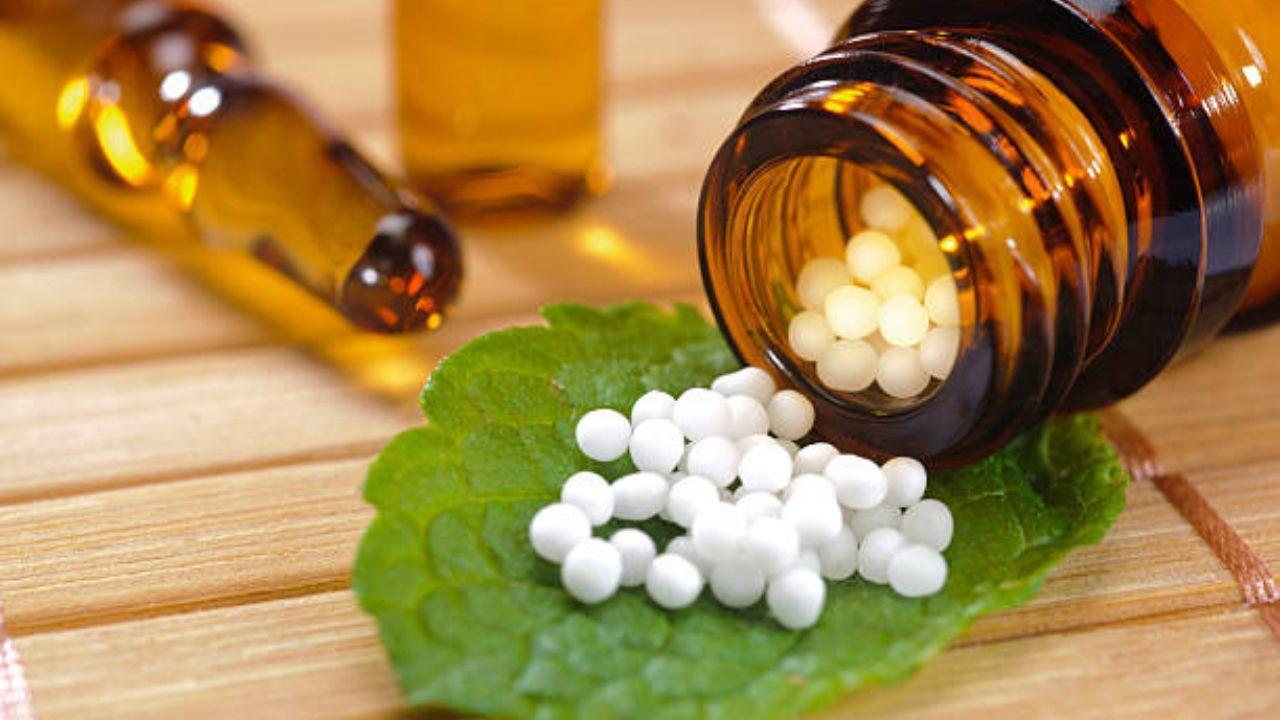
Image for representational purposes only. Photo Courtesy: iStock
Over the years, homoeopathy in India has experienced a remarkable revival with the support of the AYUSH ministry. Ayush is an acronym for Ayurveda, Yoga and Naturopathy, Unani, Siddha, Sowa Rigpa and Homoeopathy.
This upsurge of interest in homoeopathy is driven by its increased popularity, cost-effectiveness, and growing recognition of its efficiency in treating various health problems. Yet, this school of medicine is laced with certain misconceptions. To raise awareness about homoeopathy, World Homeopathy Day is observed annually on April 10.
On this day, we reached out to two homoeopathy experts - Dr Shreepad Khedekar, MD and bachelor of homoeopathic medicine and surgery and Dr Mohsin Thanawala (@drmohsinthanawala), advanced homoeopathy, who dive into its effectiveness in treating various diseases, common misconceptions and why people should consider opting for this form of treatment.
Khedekar tells Mid-day.com, “The term homoeopathy is derived from the Greek language. The two words ‘homoeo’ and ‘pathy’ mean ‘similar’ and ‘suffering’. This school of medicine uses natural substances to stimulate the body`s healing mechanism and treats the root cause of illness.”
How is it different from allopathy medicine?
According to Khedekar allopathic medicine is the classic version of healthcare consisting of pharmacological drugs and other physical treatment approaches used to treat, suppress, or cure diseases and health problems. It targets the symptomatic phase of the disease and is quick in action when the patient is in danger.
Homoeopathy operates on certain key principles. One of them includes the minimum dose principle which believes in prescribing patients lower doses of medicines for the medicines to be more effective.
Khedekar states, “Homoeopathic doctors provide personalised treatments by considering the patient’s unique symptoms and characteristics. Homoeopathic remedies are by and large safe with few but rare side effects and are mainly applied where conditions are chronic.”
Also Read: Explained: What is your Ayurveda dosha type? Expert decodes Vata, Kapha, and Pitta
Can homoeopathic medicines be used alongside other forms of medicine?
Thanawala asserts, “Since homoeopathy is free from side effects and drug interactions it can be safely taken along with other medicines of any branch. However, one must maintain some time gap if taking other medicines as homoeopathic medicines get absorbed by the tongue and work better on a clean mouth.”
Additionally, Khedekar states, “Homoeopathy being vitality-centred medicine and allopathy`s direct chemical impact are infused together to create a balanced combination. Integration of homoeopathy with conventional medicine, as well as with alternative therapeutic methods provides a holistic healthcare approach. This unique approach to care allows individuals to address not only their physical but also emotional and mental well-being.”
Buy now to read the full story.
For any queries please contact us: E-mail: support@mid-day.com
Trending Stories
Latest Photos
Latest Videos
Latest Web Stories
ADVERTISEMENT
Mid-Day Fast
ADVERTISEMENT

ADVERTISEMENT