






Home / Sunday-mid-day / / Article /
MK Ranjitsinh Jhala: When you save a bird or animal, you save its habitat
Updated On: 28 May, 2023 08:53 AM IST | Mumbai | Christalle Fernandes
MK Ranjitsinh, the prime architect of the Wildlife Protection Act of 1972, traces the history of India’s conservation efforts in his new book, A Life with Wildlife

Listen to this article :
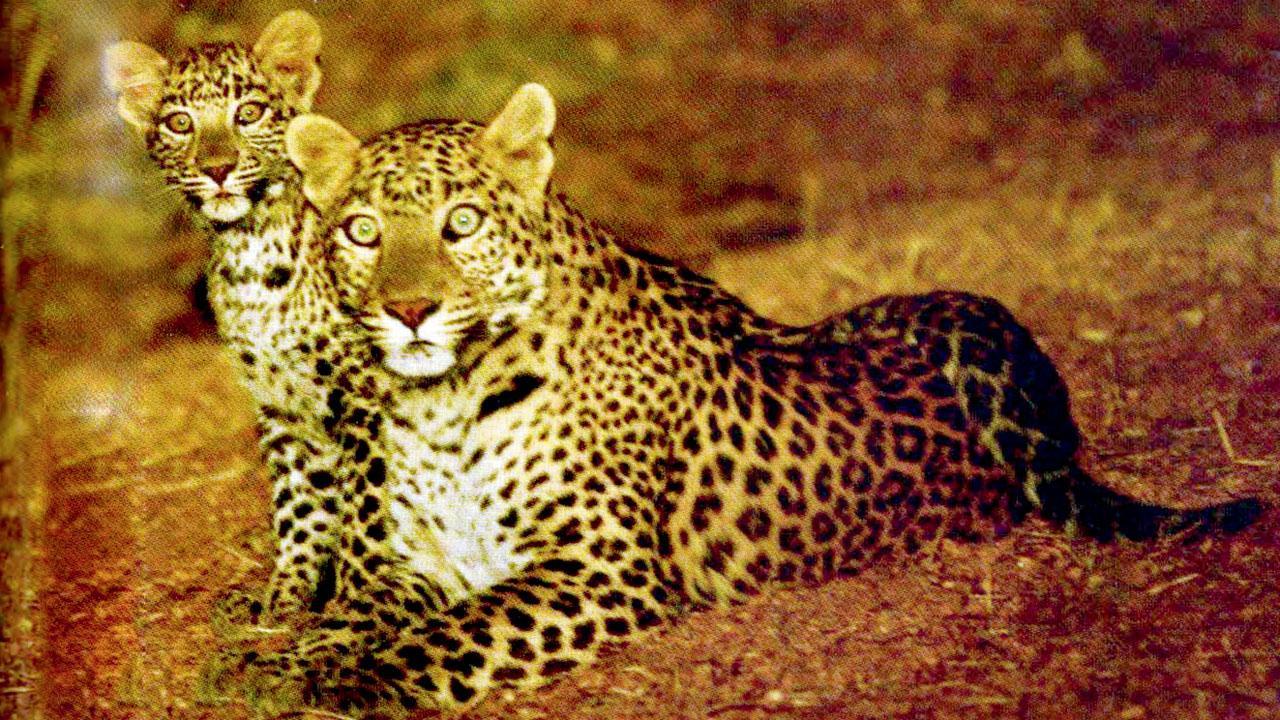
A leopardess in Beda, Rajasthan. PIC COURTESY/A LIFE WITH WILDLIFE
As a conservationist, former director (twice) of wildlife preservation, author, and prime architect of the Wildlife (Protection) Act of 1972, Dr MK Ranjitsinh Jhala’s work spans over six decades. A Life with Wildlife, a compilation of his work protecting the country’s flora and fauna species, is his contribution to the history of conservation efforts in India, right from the British era to the current state of affairs. In the book, Dr Ranjitsinh talks about how there is a need to preserve wildlife in pockets, because the needs of development have to be fulfilled too. Edited excerpts from mid-day’s conversation with the author:
How has India progressed on the spectrum of conservation over 60 years?
Our country is one of the easiest places in the world among the developing nations to conserve nature because there is empathy for life. Despite tremendous poverty, ignorance, and lack of education, we have not lost any animal or bird species and there have hardly been any extinctions. The only one in recent times was the cheetah and a couple of rhino species on the periphery.
Trending Stories
Latest Photos
Latest Videos
Latest Web Stories
ADVERTISEMENT
Mid-Day Fast
ADVERTISEMENT

ADVERTISEMENT