






Home / Sunday-mid-day / / Article /
From Shimla to Kerala: Discover the making of unique dumplings in India
Updated On: 02 July, 2023 08:19 AM IST | Mumbai | Christalle Fernandes
Over centuries, momos have made inroads into cuisines across the world, including ours. Sunday mid-day explores regional Indian variants to make it a momo-friendly monsoon

Listen to this article :
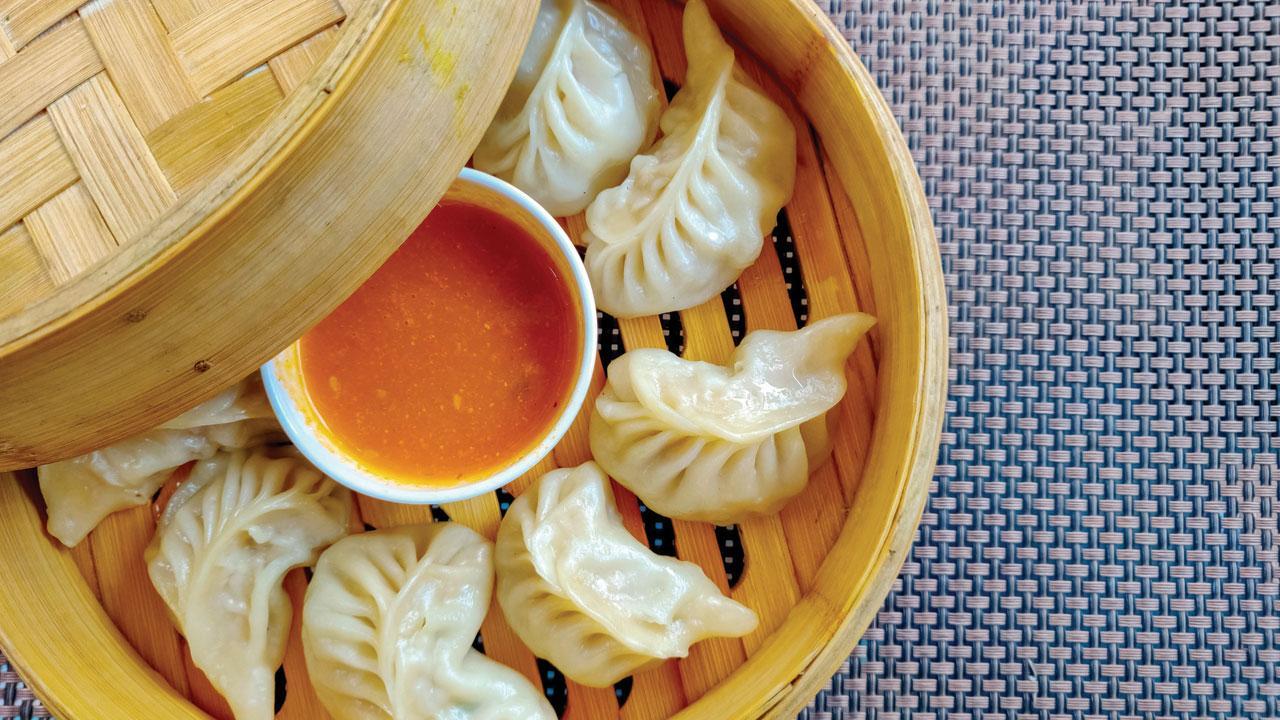
It is said that momos came to India with Tibetan refugees in the 1960s
Minced meat or vegetables, carefully wrapped in dough, steamed or fried to perfection—just like the capital city, Mumbai too, has taken a liking to momos with stalls cropping up at every corner. It is believed that momos came to India with Tibetan refugees in the 1960s, and are now savoured across the country. However, the debate around its roots involve both the Tibetans and the Nepalese, each with their own origin story. Interestingly, in the hills of northern India, where momos are a staple, they are made and consumed differently. Chef Sherry Mehta, who grew up in Shimla, remembers momos made with buckwheat flour and stuffed with turnips and and another version made with chives and chow-chow (chayote squash).
“Buckwheat gives it a different texture and adding turnips along with leeks and green chillies gives it a very pleasant taste. Chow-chow tastes like lauki, so even that tastes interesting. The cabbage and carrots came much later, when momos went mainstream,” she tells us. Further up in the hills of Manali, soupy mutton momos are a mainstay. Home chef Nikita Kuthiala, who has travelled in the interiors of Himachal Pradesh to learn about local cuisines, says, “The people of Kinnaur and Lahaul eat mutton momos, while those in Dharamshala and McLeodganj, prefer pork momos.”
Read Next Story
Trending Stories
Latest Photos
Latest Videos
Latest Web Stories
ADVERTISEMENT
Mid-Day Fast
ADVERTISEMENT

ADVERTISEMENT