






Home / Sunday-mid-day / / Article /
Will new-age psychologists meet the demand for rising mental health challenges?
Updated On: 30 June, 2024 07:30 AM IST | Mumbai | Mitali Parekh
A BSc in Psychology has been proposed to make more therapists fast, fast. But do we need more pop psychologists, or those with on-ground skills, a breadth of knowledge and an understanding of social factors influencing mental disorders?

Listen to this article :
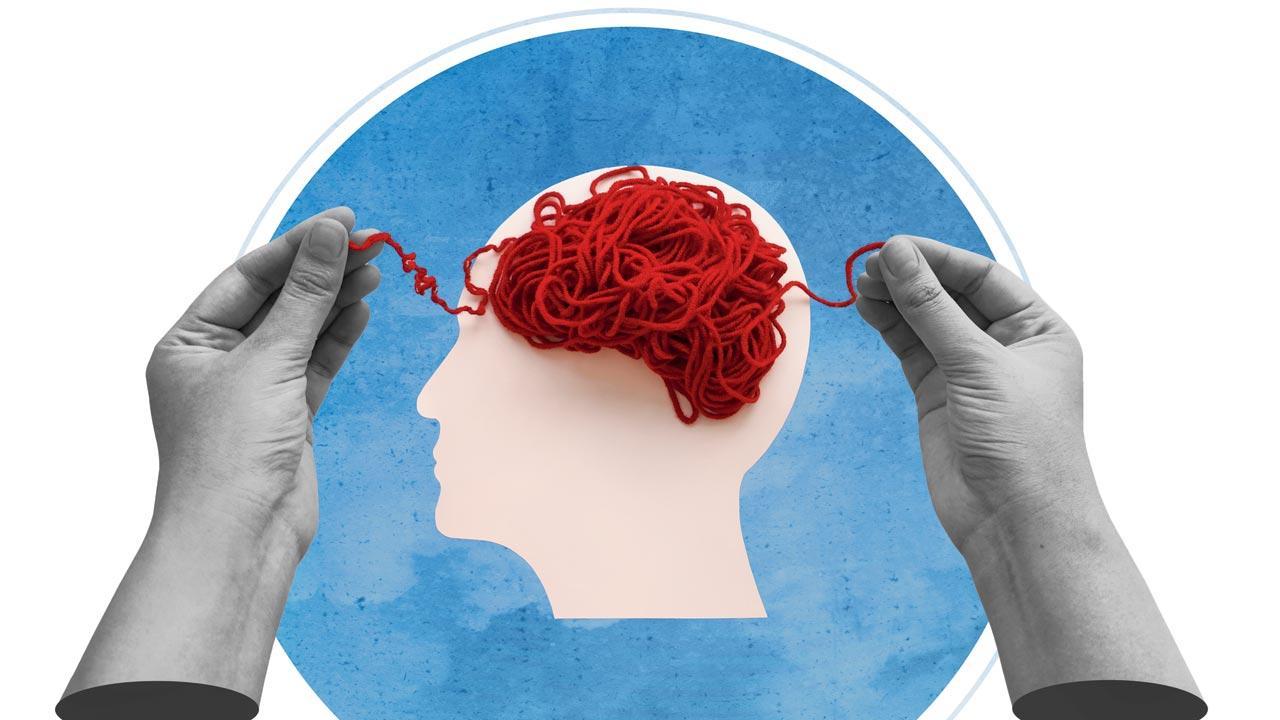
Pic/iStock
In the second week of June, the Rehabilitation Council of India (RCI) that governs the field of rehabilitative psychology, announced a set of regulations for a BSc in Clinical Psychology programme, which has not caused as much uproar as it should.
Aimed to address the shortage of trained mental professionals in mental health care, the course truncates the education a professional needs to become a clinical psychologist. Right now, the education path is a BA in Psychology, then an MA in the same to become a counselling psychologist. Add to this an MPhil in Clinical Psychology, and you can call yourself a clinical psychologist. On paper, you need this from an RCI-registered institute. Shrinking these eight plus years of theory, and supervised work with patients (in some cases of MPhil and MA) to four years of BSc to fill in a gap access to mental health care may generate quantity, but strain quality.
Trending Stories
Latest Photos
Latest Videos
Latest Web Stories
ADVERTISEMENT
Mid-Day Fast
ADVERTISEMENT

ADVERTISEMENT