






Home / Sunday-mid-day / / Article /
Culinary experts dive deep into the relevance of chutney in Indian meals
Updated On: 28 April, 2024 07:47 AM IST | Mumbai | Phorum Pandya
The OG wingman of Indian cuisine—chutney—has a nutritional kick and is an economical taste enhancer too

Listen to this article :
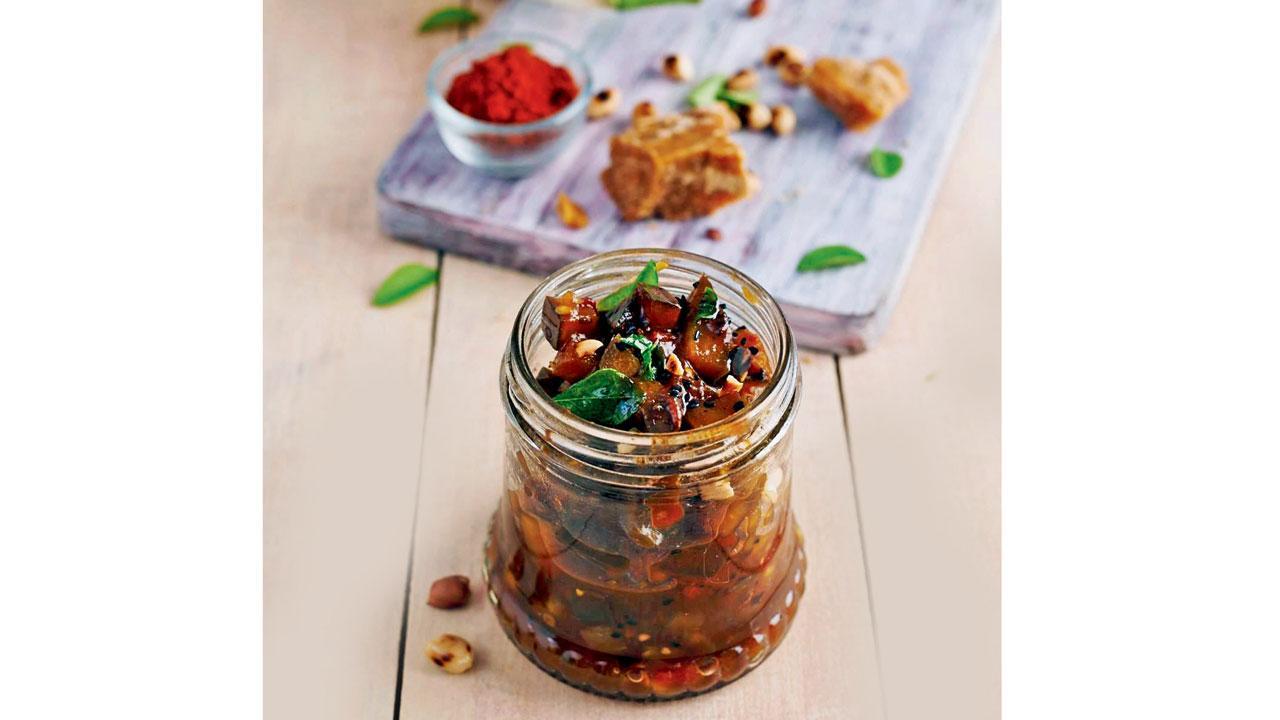
Representation Pic
If we were ever to document the sounds of the urban Indian kitchen, the churning of the mixer grinder would be synonymous with head-banging heavy rock metal. The sound of dry, raw, fresh ingredients being pitted in the arena with all their might eventually blend into a transcendental promise of good taste. In traditional setup, the sound would be led by grinding the ingredients on stone—crushed into pastes, letting out a tease of aroma that would translate into a curry or chutney.
The role of chutney in Indian cuisine is rather circumstantial before monumental. “Traditionally, chutneys were never cooked or stored but served fresh with every meal. It enhances the taste of the meal and contributes to overall nutrition with its raw ingredients when paired with meat, rice, tarkari or roti. In times when people couldn’t afford a full meal, chutney helps add nutrition, taste and a wet element to moisten the bite,” says Chef Kunal Kapur, defining chutney as a paste or puree that is ground together on a stone or mixer grinder.
Read Next Story
Trending Stories
Latest Photos
Latest Videos
Latest Web Stories
ADVERTISEMENT
Mid-Day Fast
ADVERTISEMENT

ADVERTISEMENT