






Home / Sunday-mid-day / / Article /
Historians debate how Aurangzeb turned into Hindutva's hate figure
Updated On: 18 June, 2023 07:28 AM IST | Mumbai | Jane Borges
The simmering tension in Maharashtra over the 17th century Mughal emperor had us ask historians how Alamgir became Hindutva’s punching bag, and we were met with conflicting opinions. Everyone has a different story

Listen to this article :
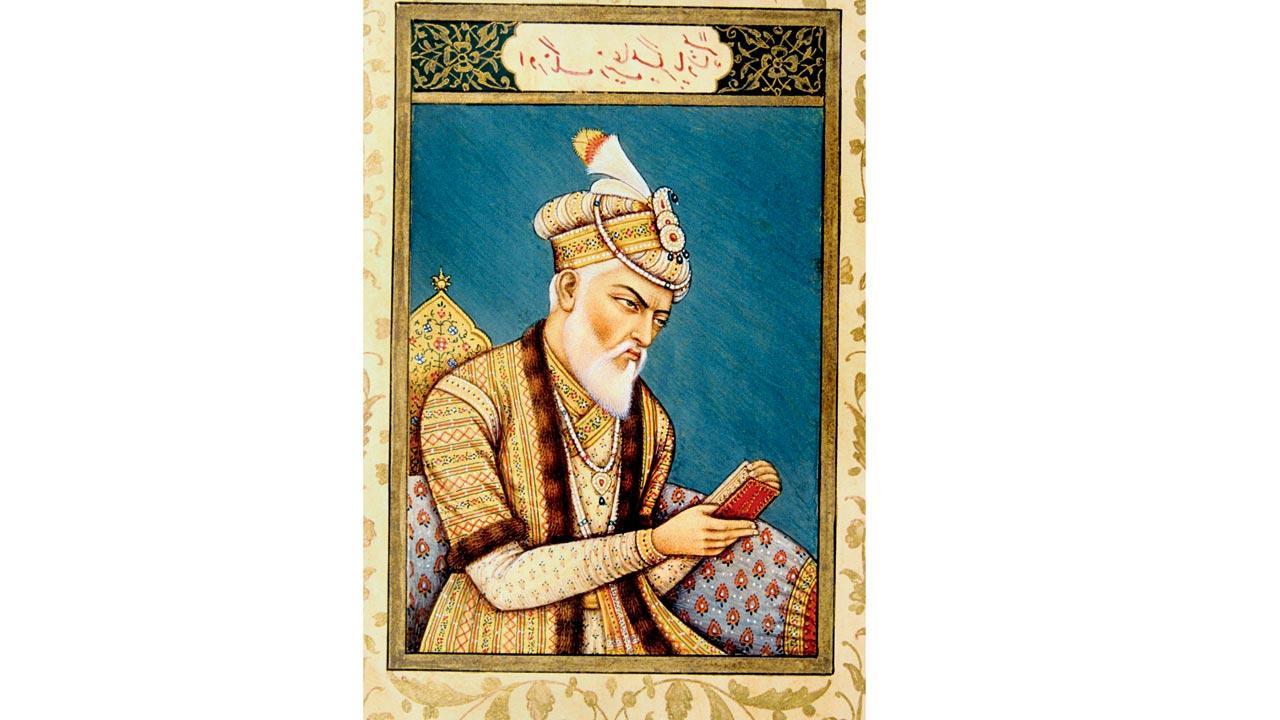
Aurangzeb, the sixth Mughal Emperor, whose reign lasted from 1658 until his death in 1707. Having ruled most of the Indian subcontinent for nearly half a century, he was the second longest reigning Mughal emperor after Akbar. Pic/Getty Images
It`s been a restless last few weeks in Maharashtra. Beed’s Ashti town and Kolhapur witnessed episodes of violence over social media posts that valourised 17th century Mughal emperor Aurangzeb or Alamgir, a title that translated to conqueror of the world. In Navi Mumbai, a 29-year-old man was booked for allegedly sharing Aurangzeb’s photo as his status on WhatsApp. A 14-year-old from Beed district was charged under Sections 295-A (for deliberate acts that insult the religion or religious beliefs of any class of people) and 153-A (for promoting enmity between different groups of people and doing acts prejudicial to maintenance of harmony), for allegedly suggesting a celebration around the Mughal ruler’s coronation anniversary. Deputy CM Devendra Fadnavis drew sharp criticism when he warned “Aurangzeb ki auladein” of strict action.
“The atmosphere is not tense,” a senior Maharashtra police official tells mid-day, “but yes, below the surface, things are simmering, and we are doubly alert.” The officer, who wished to remain anonymous, says that arrests made in cases such as these, often fall in the grey area. “And that’s because, when you book someone for hurting religious sentiments, this in itself is subjective. There will be a certain group that will find the police’s actions excessive, and another that will say it is necessary to maintain law and order.” But social media posts and statuses, he says, have caused riot-like situations in the past, and the current set of measures are only being taken to avoid an untoward incident in the future. “Several organisations have been using this [the Aurangzeb issue] to their benefit. Half of our time, at present, goes in cyber patrolling. We also have our ears to the ground, and are identifying any menace-maker. This issue has kept us on our toes.”
Trending Stories
Latest Photos
Latest Videos
Latest Web Stories
ADVERTISEMENT
Mid-Day Fast
ADVERTISEMENT

ADVERTISEMENT