






Home / Sunday-mid-day / / Article /
Experts on how India's first HPV vaccine may help women fight cervical cancer
Updated On: 14 May, 2023 09:35 AM IST | Mumbai | Jane Borges
With Serum Institute of India planning to roll out the country’s first indigenous, affordable human papillomavirus vaccine, medical experts hope that women may finally have a fighting chance against cervical cancer

Listen to this article :
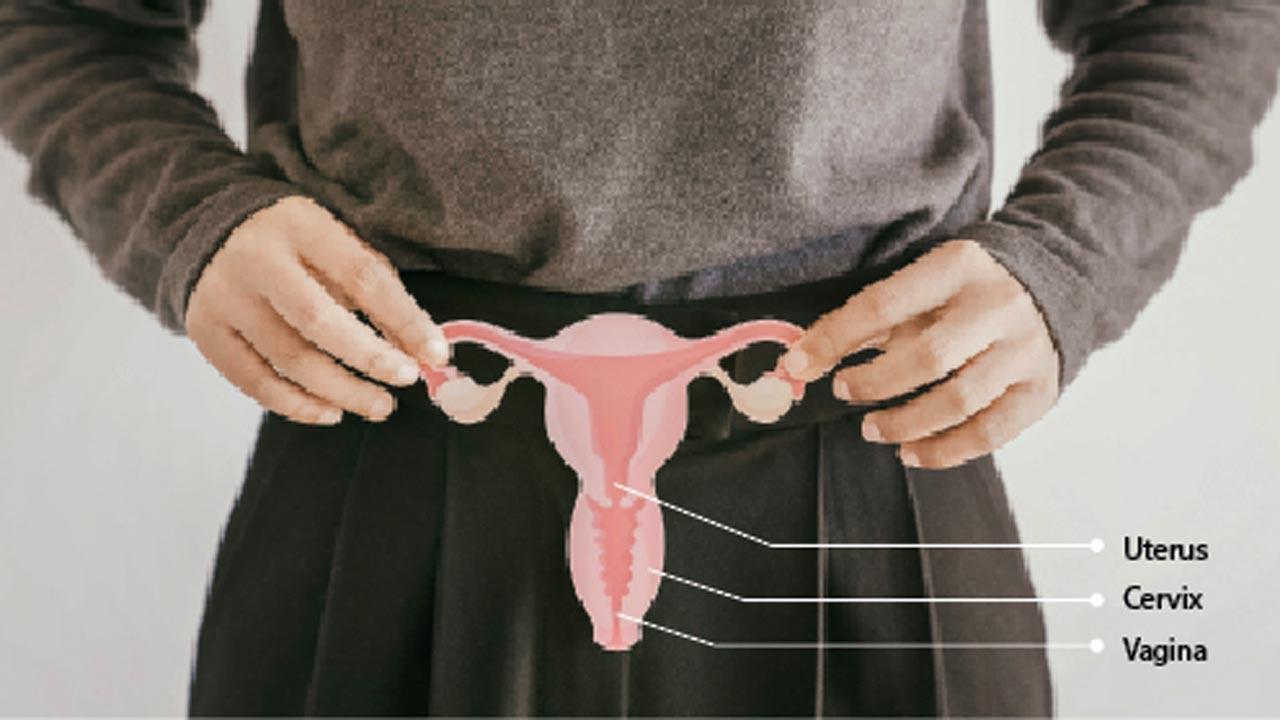
Pic/iStock
Back in 1987, when the Mumbai-based non-profit Cancer Patients Aid Association (CPAA) initiated a campaign to conduct the papanicolaou or Pap smear test, a screening procedure for cervical cancer, it met with stiff resistance, remembers its CEO Alka Sapru Bisen. “Women were reluctant to get it done... they didn’t even want to be physically examined by a surgeon. We’ve come a long way since.” But the fight against cervical cancer—an otherwise preventable disease, according to doctors—is still far from won in the country.
While the incidence and mortality rate of the disease has declined over the past three decades, a Lancet study released last December revealed that India still accounts for the highest number of cervical cancer cases in Asia. According to the study, of the 40 per cent of total deaths from cervical cancer, 23 per cent occurred in India, followed by China (17 per cent). Recent estimates from the HPV Information Centre, which compiles, processes, and disseminates country-specific information related to human papillomavirus (HPV), a virus that can cause cervical cancer, show that 511.4 million Indian women aged 15 years and above, are at the risk of contracting the disease. It remains the second highest cancer—after breast cancer—responsible for premature deaths in the country with 77,348 women (estimates of 2020) dying of it annually.
Trending Stories
Latest Photos
Latest Videos
Latest Web Stories
ADVERTISEMENT
Mid-Day Fast
ADVERTISEMENT

ADVERTISEMENT