






Home / News / World News / Article /
Fukushima farmers struggle to win trust
Updated On: 02 August, 2018 07:15 AM IST | Koriyama | Agencies
In the last year, the centre says no cultivated produce or farm-reared livestock has exceeded the government's limit. In all just nine samples out of tens of thousands were over the limit: eight from fish, and one from mushrooms

Listen to this article :
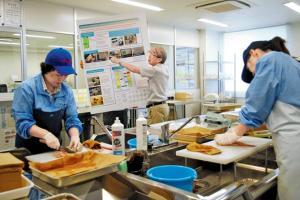
Over 150 samples are tested every day in the lab. Pic/AFP
The pumpkin is diced, the chicken carved and the eggs beaten into an omelette, but the people preparing the food are not chefs — they are scientists testing produce from Japan's Fukushima region. Seven years after the March 2011 nuclear disaster caused by a devastating tsunami, rigorous testing shows no radioactive threat from Fukushima's produce, officials and experts say. But local producers say they still face crippling suspicion from consumers.
More than 2,05,000 food items have been tested at the Fukushima Agricultural Technology Centre since March 2011, with Japan setting a standard of no more than 100 becquerels of radioactivity per kilogramme (Bq/kg). In the last year, the centre says no cultivated produce or farm-reared livestock has exceeded the government's limit. In all just nine samples out of tens of thousands were over the limit: eight from fish, and one from mushrooms.
Read Next Story
Trending Stories
Latest Photos
Latest Videos
Latest Web Stories
ADVERTISEMENT
Mid-Day Fast
ADVERTISEMENT

ADVERTISEMENT