






Home / News / World News / Article /
'Women labourers raped at palm oil fields linked to top beauty brands'
Updated On: 19 November, 2020 08:28 AM IST | Sumatra | Agencies

Listen to this article :
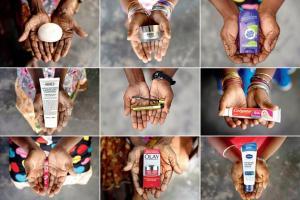
This combination shows women holding products made by Western firms that source palm oil from Indonesia and Malaysia
With his hand clamped tightly over her mouth, she could not scream, the 16-year-old girl recalls — and no one was around to hear her anyway. She describes how her boss raped her amid the tall trees on an Indonesian palm oil plantation that feeds into some of the world's best-known cosmetic brands. He then put an ax to her throat and warned her: Do not tell.
At another plantation, a woman named Ola complains of fevers, coughing and nose bleeds after years of spraying dangerous pesticides with no protective gear. Making just $2 a day, with no health benefits, she can't afford to see a doctor. Hundreds of miles away, Ita, a young wife, mourns the two babies she lost in the third trimester. She regularly lugged loads several times her weight throughout both pregnancies, fearing she would be fired if she did not. These are the invisible women of the palm oil industry, among the millions of daughters, mothers and grandmothers who toil on vast plantations across Indonesia and neighboring Malaysia, which together produce 85 percent of the world's most versatile vegetable oil.
Trending Stories
Latest Photos
Latest Videos
Latest Web Stories
ADVERTISEMENT
Mid-Day Fast
ADVERTISEMENT

ADVERTISEMENT