






Why Census is now a hot potato
Updated On: 01 July, 2024 05:29 AM IST | Mumbai | Ajaz Ashraf
Conflicting interests of regions, political alliances and social groups have had the crucial survey acquire a thick layer of political moss as it is extremely difficult to evolve a consensus over it

Listen to this article :
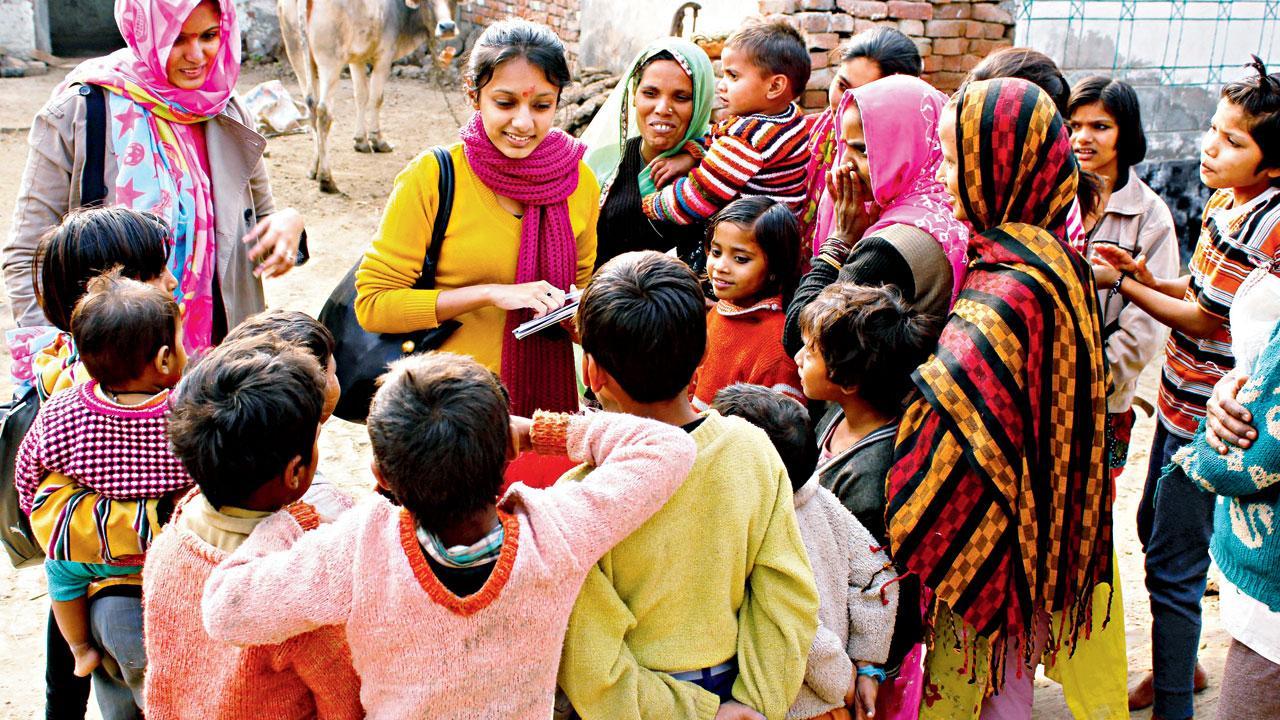
Due in 2021, the decennial Census was postponed because of the COVID pandemic and, subsequently, for unfathomable reasons. Representation Pic
 When the ruling National Democratic Alliance and the Opposition failed to agree even on a name for the Lok Sabha speaker, it is moot whether they can evolve a consensus over more contentious issues such as the timing of the Census and its nature. Due in 2021, the decennial Census was postponed because of the COVID pandemic and, subsequently, for unfathomable reasons.
The Census, with time, has acquired a thick layer of political moss, so to speak. For one, it is linked to carrying out delimitation, which involves allocating Lok Sabha seats to each state in proportion to its share in the country’s population, and to the implementation of 33 per cent women’s reservation in legislatures. For another, there is now a pressing demand that the Census should also count the population of castes.
Read Next Story
Trending Stories
Latest Photos
Latest Videos
Latest Web Stories
ADVERTISEMENT
Mid-Day Fast
ADVERTISEMENT

ADVERTISEMENT