






The elephant-headed Buddha
Updated On: 25 August, 2024 08:43 AM IST | Mumbai | Devdutt Pattanaik
These clearly reveal different ways of thinking and are probably very strongly linked to Tantra.

Listen to this article :
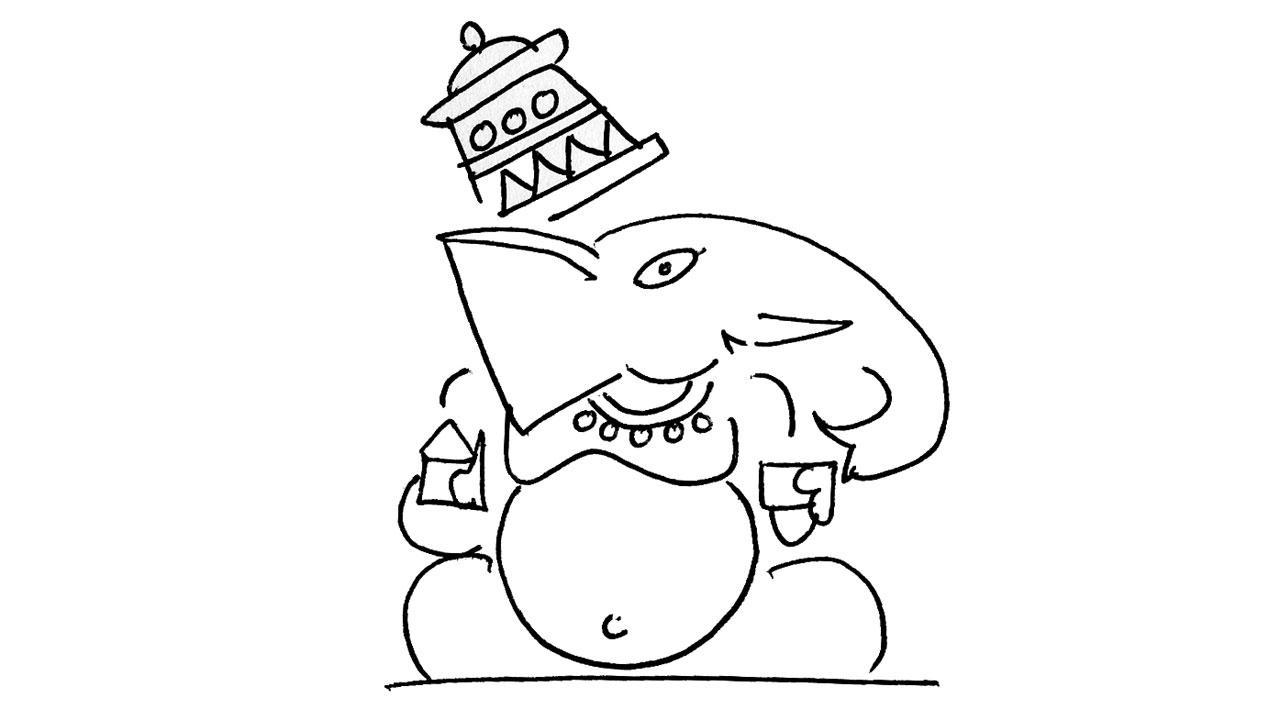
Illustration/Devdutt Pattanaik
 When one travels to Thailand and Japan, one occasionally finds images of Ganesha. Most Indians get very excited as it reveals how Hinduism spread to Southeast Asia and even the Far East. However, on closer examination, one realises the answer is not that simple. These elephant-headed deities worshipped in these countries have nothing to do with Shiva or Parvati. They are not familiar with the story of Shiva beheading Parvati’s son Vinayaka and replacing his human head with that of an elephant.
In Hinduism, Ganesha represents the domestication of Shiva and the transformation of the hermit into the householder. Shiva becomes the father and a parent, becoming part of worldly life. Ganesha statues were originally part of Shiva temples. The elephant-headed one embodied the first of Shiva’s minions, the gana. Later, Ganesha was part of the Shiva-parivaar, or Shiva’s family. The domestication of Shiva. But eventually, Ganesha became a deity in his own right. The personal god of the Maratha kings.
Read Next Story
Trending Stories
Latest Photos
Latest Videos
Latest Web Stories
ADVERTISEMENT
Mid-Day Fast
ADVERTISEMENT

ADVERTISEMENT