






Power. Struggle.
Updated On: 28 January, 2024 06:51 AM IST | Mumbai | Paromita Vohra
So, when, say, women’s lives most resemble men’s, or queer lives are most recognisably like straight lives, we applaud their power or achievement

Listen to this article :
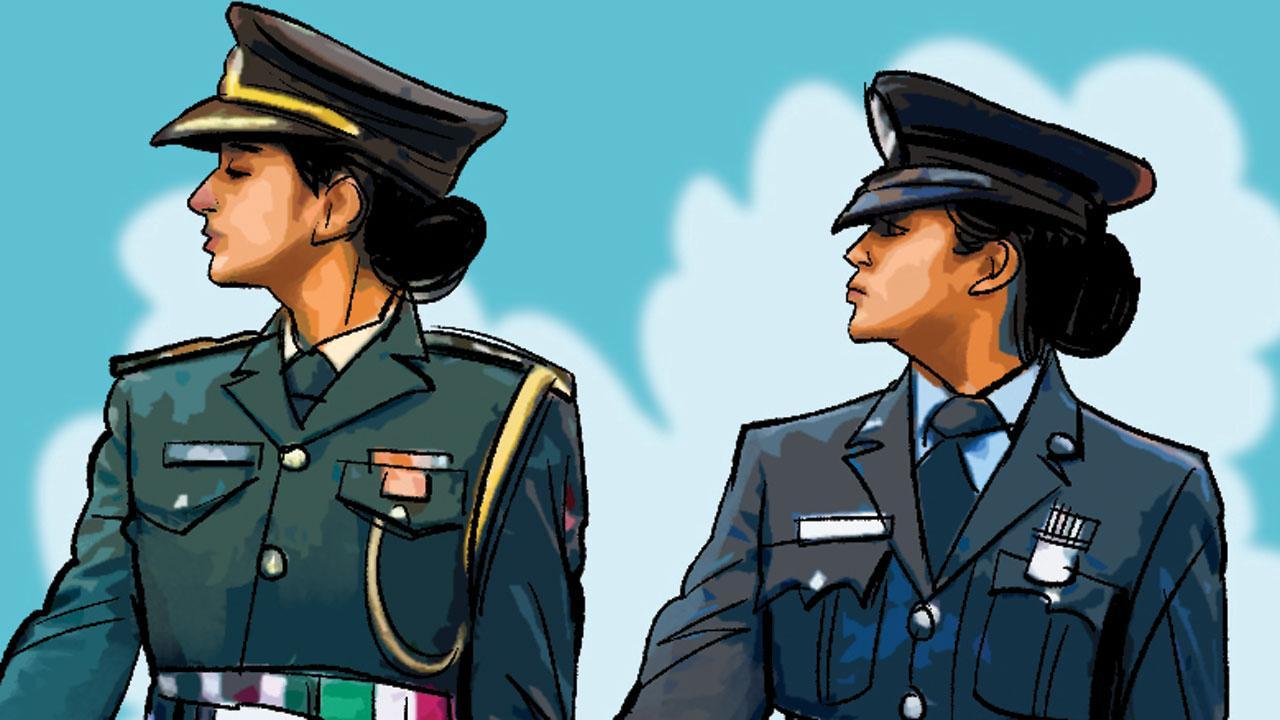
Illustration/Uday Mohite
 The theme of this year’s Republic Day parade was Nari Shakti. It started with the music of one hundred women artists and depicted this power through diverse domains from education and technology to family and the military. The motorbike stunts by women in the police were full of thrills and daring. The growing representation of women in diverse fields over 75 years is indeed something to celebrate.
Nari Shakti is often translated as Woman Power, but we could also translate it as Women’s Strength. We commonly conflate the idea of strength with power in speech, but perhaps in practice, we engage with these ideas a bit differently when it comes to women. Our idea of power is often based on existing prominent images of power, that is, exemplified by those who are already powerful. So, when, say, women’s lives most resemble men’s, or queer lives are most recognisably like straight lives, we applaud their power or achievement.
Read Next Story
Trending Stories
Latest Photos
Latest Videos
Latest Web Stories
ADVERTISEMENT
Mid-Day Fast
ADVERTISEMENT

ADVERTISEMENT