






Manthan: A deeper churning
Updated On: 26 May, 2024 06:53 AM IST | Mumbai | Meenakshi Shedde
This is how India became a world leader in milk production, and film was directly used as an agent for social change.

Listen to this article :
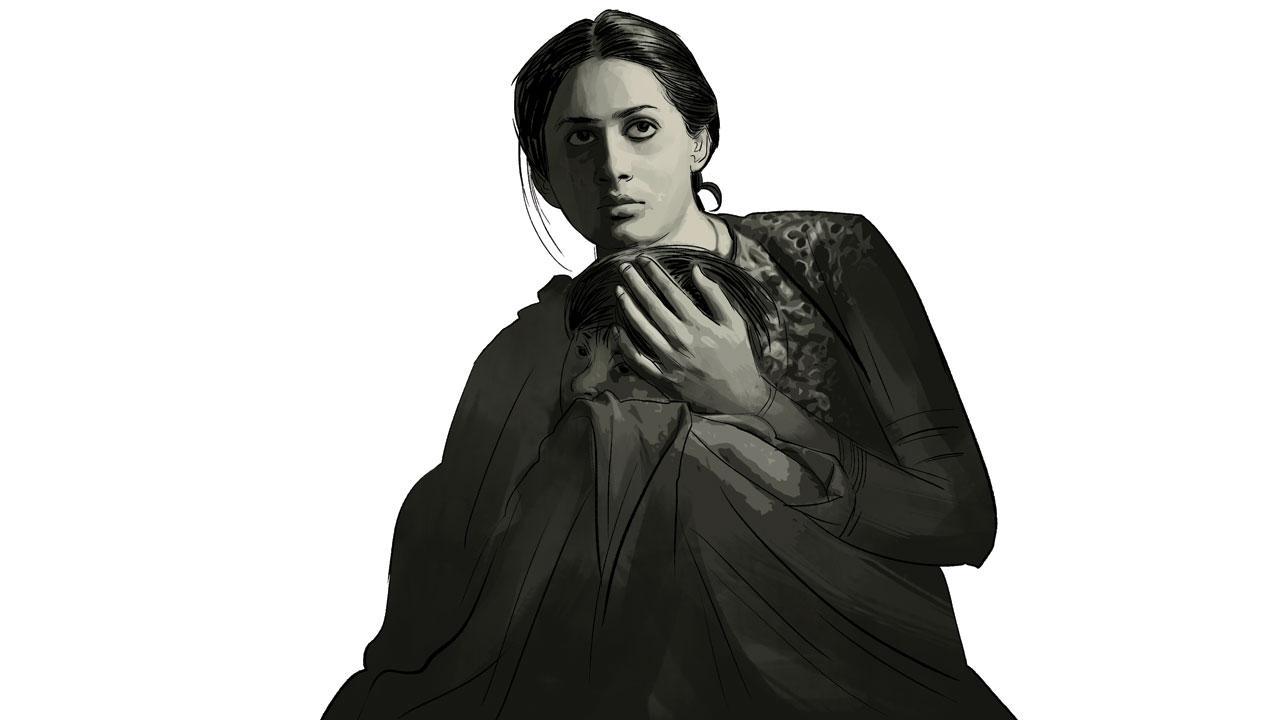
Illustration/Uday Mohite
 It’s been a great year for India at Cannes with 10 films from India and South Asia/India-origin or India-related, including Anasuya Sengupta winning Best Actress for The Shameless in the Un Certain Regard section, and first prize for Chidananda Naik’s Sunflowers Were the First Ones to Know in the La Cinef section for film school films, in this case the Film and Television Institute of India, FTII Pune. The winners in the Competition section— where Payal Kapadia’s All We Imagine As Light played— are yet to be announced at the time of going to press. But another Indian film that shone brightly was Shyam Benegal’s Manthan (The Churning, 1976), starring the late Girish Karnad, the late iconic film actress Smita Patil, and Naseeruddin Shah, among others. Its print, painstakingly restored by Shivendra Singh Dungarpur of the Film Heritage Foundation, was shown in the Cannes Classics. What’s more, the restored film (Hindi with English subtitles) will be screened on June 1 and 2 across 50 Indian cities, by the Film Heritage Foundation and the Gujarat Cooperative Milk Marketing Federation Ltd. in collaboration with PVR-INOX Ltd. and Cinepolis India. What a treat that will be for three generations of film lovers.
Benegal, who turns 90 this year, and is one of the key pioneers of the parallel cinema movement since his Ankur (The Seedling) in 1974, has directed an impressive body of about 75 fiction features, documentaries, series and shorts, the last being Mujib: The Making of a Nation in 2023, astonishingly directed at the age of 89. Manthan is a remarkable film on how a milk cooperative in Gujarat, spearheaded by Dr Verghese Kurien and partly inspired by his work, revolutionized milk production, turning India from a milk deficit nation to the world’s largest milk producer. Shyam Babu (as he is fondly called) had already made two documentaries on the subject and suggested to Dr Kurien that he make a feature for reaching those beyond the already converted. In a brilliant coup, Dr Kurien suggested that the 5,00,000 milk farmers in the cooperative each contribute R2 to fund the film. That’s how Manthan became India’s first crowd-funded film. Initially, the film, released in Gujarat, was a resounding success because unusually, its largest audience was also the film’s producers, arriving in truckloads day after day. Then Dr Kurien made 16mm prints of the film, and used the film, accompanied by a vet, a milk specialist and a fodder specialist, to persuade other milk farmers to create cooperatives all over the country. This is how India became a world leader in milk production, and film was directly used as an agent for social change.
Read Next Story
Trending Stories
Latest Photos
Latest Videos
Latest Web Stories
ADVERTISEMENT
Mid-Day Fast
ADVERTISEMENT

ADVERTISEMENT