






Leisure as an everyday experience
Updated On: 14 June, 2024 06:52 AM IST | Mumbai | Rosalyn D`mello
Abandoning capitalist notions of productivity affords one space to view their body in a state of movement and rest

Listen to this article :
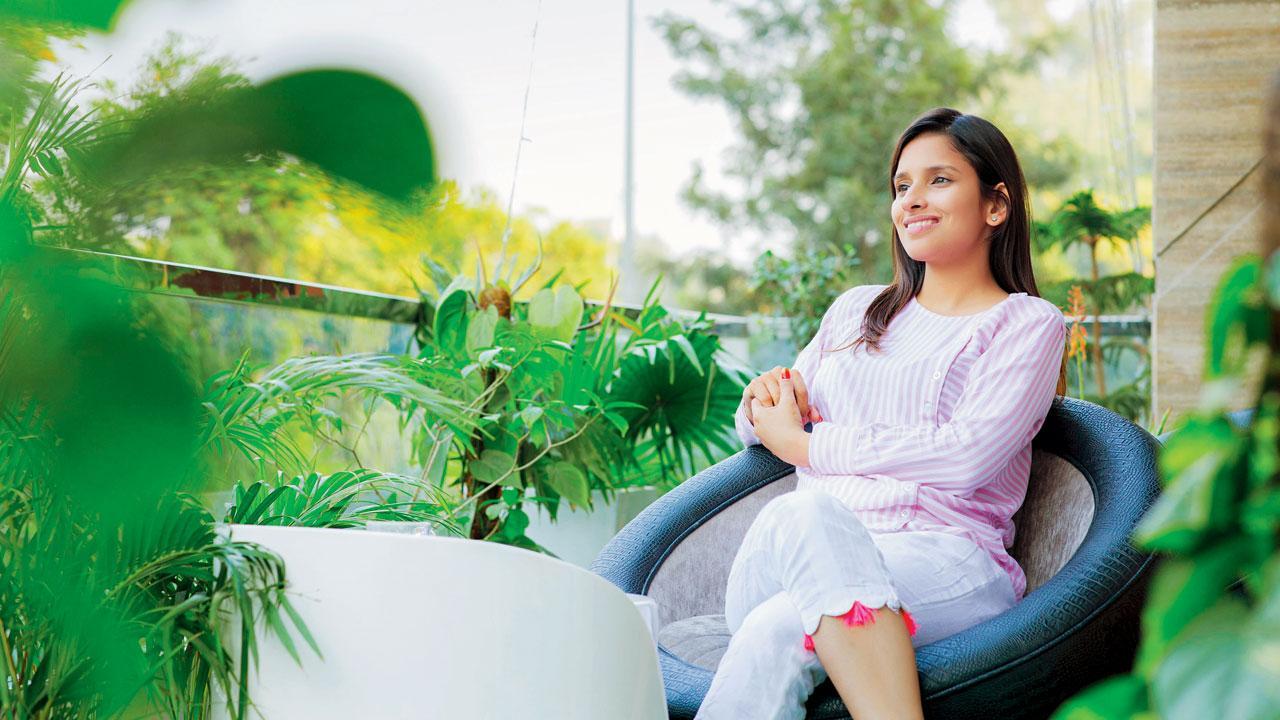
Leisure doesn’t mean taking a break from activism or being political. Representation Pic
 One of the books our child loves to read centres on a dormouse named Bobo, who is roughly between two and three years old. Bobo was conceived by a Swiss illustrator named Markus Osterwalder, who evolved the character over numerous books, and even a television series. Most of the plots are super mundane, which is why it is so relatable to a two-year-old. The narrative arc is not suspense-filled in the least. It is a book meant to lull, to foster sleep, a book that celebrates boredom in a way. All the scenes are illustrated, so it reads like a comic book and is primarily visual. One such story has Bobo going on an outing with his kindergarten class to a pond. The children hold hands and walk the distance from the kindergarten past a lake, past a meadow until they arrive at a small pond. Then, they each spread their towel on the grass, change into their bathing suits and spend presumably an hour or two in and out of the water. One of the kids had brought along a small boat. Bobo, upon sighting it, asks if he could have his companion soft toy ‘Hasi’—a rabbit—take a ride. Hasi seems to love the ride, until it is tossed into the water by a ripple. What should Bobo do now? Hasi is wet. He reports to his caretaker. She suggests he lie with Hasi under the sun. That’s precisely what he does. His friend Fatima keeps him company.
Each time I read the story to our child I feel surprised by this image because it is, primarily, an image that connotes leisure. It models for the child reading it what it can look like to do nothing for a while, to rest the body, to soak in the sun. It reminds me of conversations I had with artists and intellectuals during my residency at Ocean Space, Venice, about how colonised people mostly fear water and have had a tentative relationship with the sea. Growing up in Mumbai and spending time in Goa, I rarely ever saw women my mother’s age chilling at the seaside or bathing in the sea. Mostly they are either fully dressed or clad in shorts. At best, they will allow their legs to get wet up to their knees. I have memories of being a child in water with my father. My mother usually is to be seen standing at the shore warning us not to go too far.
Read Next Story
Trending Stories
Latest Photos
Latest Videos
Latest Web Stories
ADVERTISEMENT
Mid-Day Fast
ADVERTISEMENT

ADVERTISEMENT