






Hindu CM in J&K no more a fantasy?
Updated On: 09 September, 2024 06:49 AM IST | Mumbai | Ajaz Ashraf
Changes made to electoral architecture and map of the poll-bound Union Territory could make long-held dream of Hindutva a reality, but for Kashmiri Muslim votes consolidating behind one formation

Listen to this article :
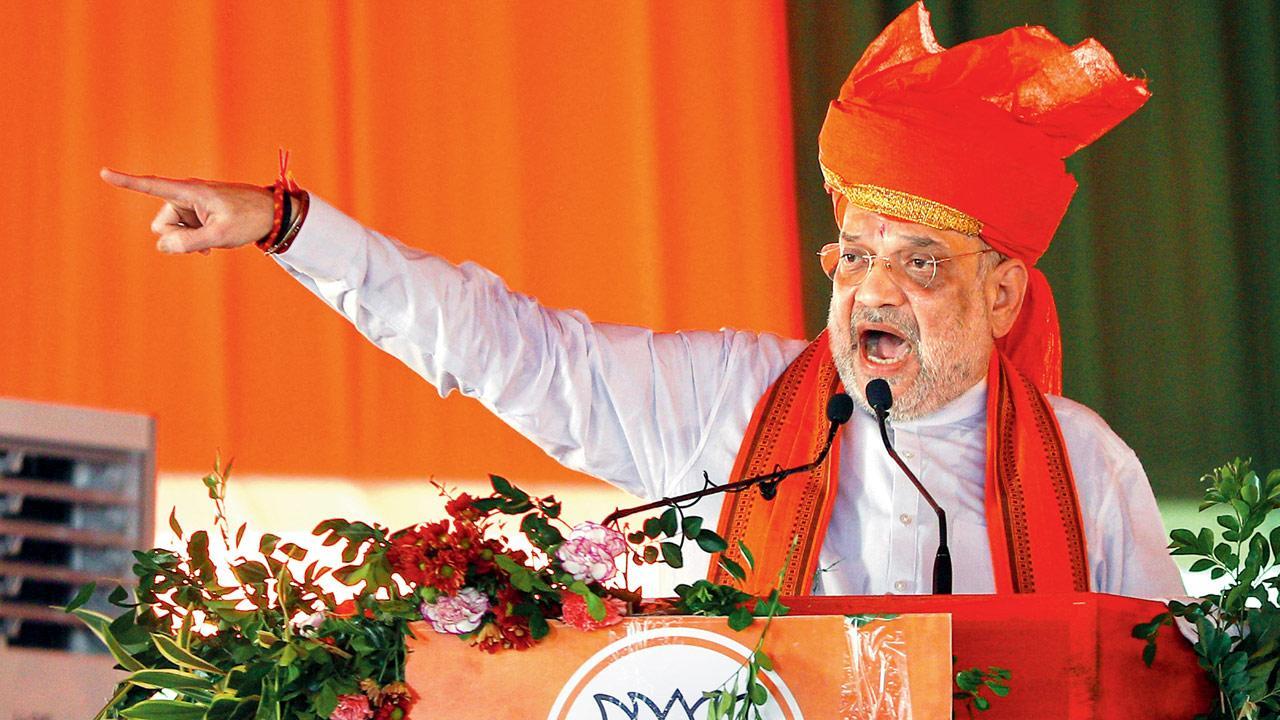
Union Home Minister Amit Shah addresses at BJP workers at a meeting in Jammu on September 7. Pic/PTI
 The excitement over the elections to the Jammu and Kashmir Assembly springs from the possibility of the Bharatiya Janata Party realising the ultimate Hindutva fantasy of having a Hindu chief minister in the Muslim-majority Union Territory. This fantasy has as its building block a hung Assembly, with Muslim votes in the Kashmir Valley fragmenting among multiple parties and Hindu votes in the Jammu region consolidating behind the lotus. In such a scenario, the BJP could legitimately manoeuvre itself into the chief ministerial chair.
But what was a fantasy now appears realistic because of the unconscionable changes made in J&K’s electoral architecture after Article 370 was read down. For one, J&K’s Lieutenant Governor has the power of nominating to the Assembly, without consulting the chief minister, five members who would have the power to vote. The nominees of the lt. governor, who’s a Central government appointee, will vote for the BJP, effectively increasing its tally of seats by five.
Read Next Story
Trending Stories
Latest Photos
Latest Videos
Latest Web Stories
ADVERTISEMENT
Mid-Day Fast
ADVERTISEMENT

ADVERTISEMENT