






Home / News / India News / Article /
Quit India Movement Day: Why was it termed as most serious rebellion since 1857?
Updated On: 07 August, 2023 03:12 PM IST | Mumbai | mid-day online correspondent
Quit India Movement Day: The movement was based on Gandhian principles of nonviolence and civil disobedience. However, despite its nonviolent nature, it posed a severe challenge to British governance as it disrupted the normal functioning of administrative institutions

Listen to this article :
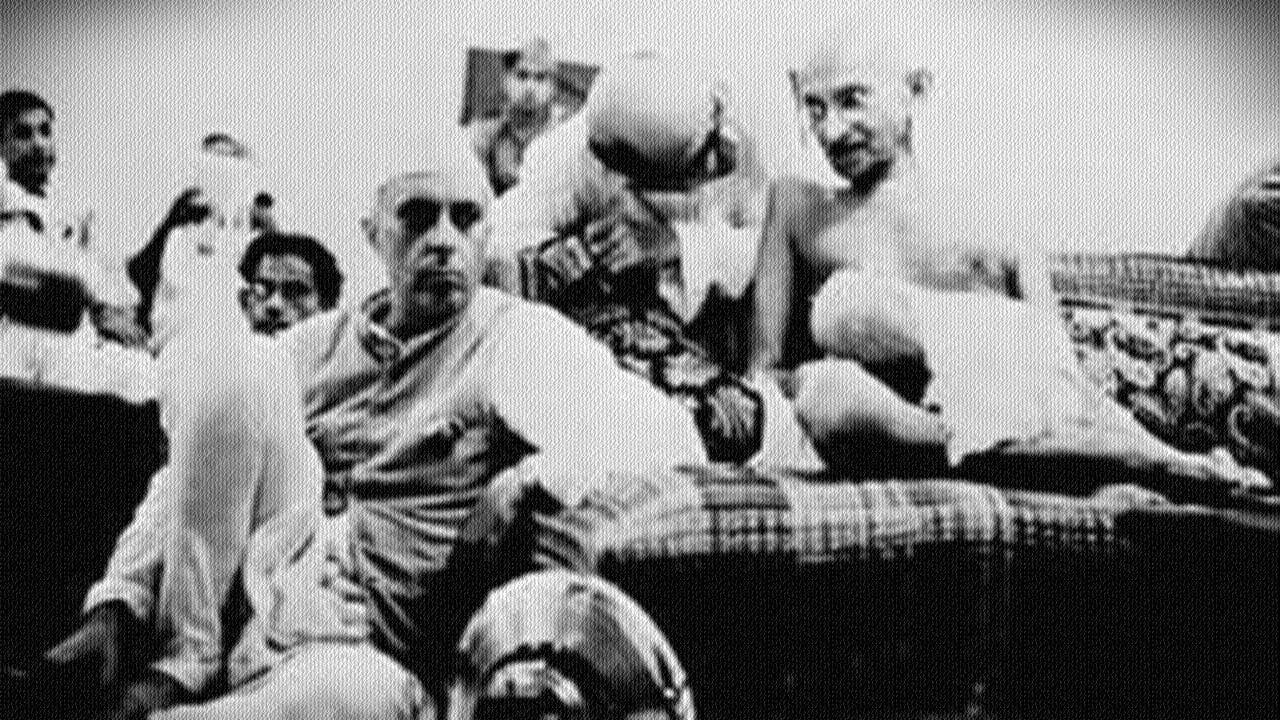
Mahatma Gandhi sits with Jawaharlal Nehru, during the Congress Party meeting in Bombay (now Mumbai) at the Gowalia Tank also known as August Kranti Maidan on August 9, 1942
The Quit India Movement was a significant civil disobedience movement launched by Mahatma Gandhi and the Indian National Congress in 1942 during India`s struggle for independence from British rule. Viceroy Linlithgow`s remark about it being "the most serious rebellion since 1857" refers to the gravity and scale of the movement, which posed a substantial challenge to British authority in India. Several factors contributed to this assessment:
Mass Participation: The Quit India Movement witnessed massive popular participation from all sections of Indian society. People from various regions, classes, and religions came together to demand immediate independence from British rule. The scale and intensity of the protests were unparalleled since the 1857 Indian Rebellion against British colonial rule.
Trending Stories
Latest Photos
Latest Videos
Latest Web Stories
ADVERTISEMENT
Mid-Day Fast
ADVERTISEMENT

ADVERTISEMENT