






Home / News / India News / Article /
Extreme poverty on downturn for 11 years: US report
Updated On: 03 March, 2024 05:23 AM IST | New Delhi | Agencies
The Gini coefficient, or the Gini index, measures the inequality of income distribution, whereas a higher value closer to one (or 100 per cent) represents greater inequality.

Listen to this article :
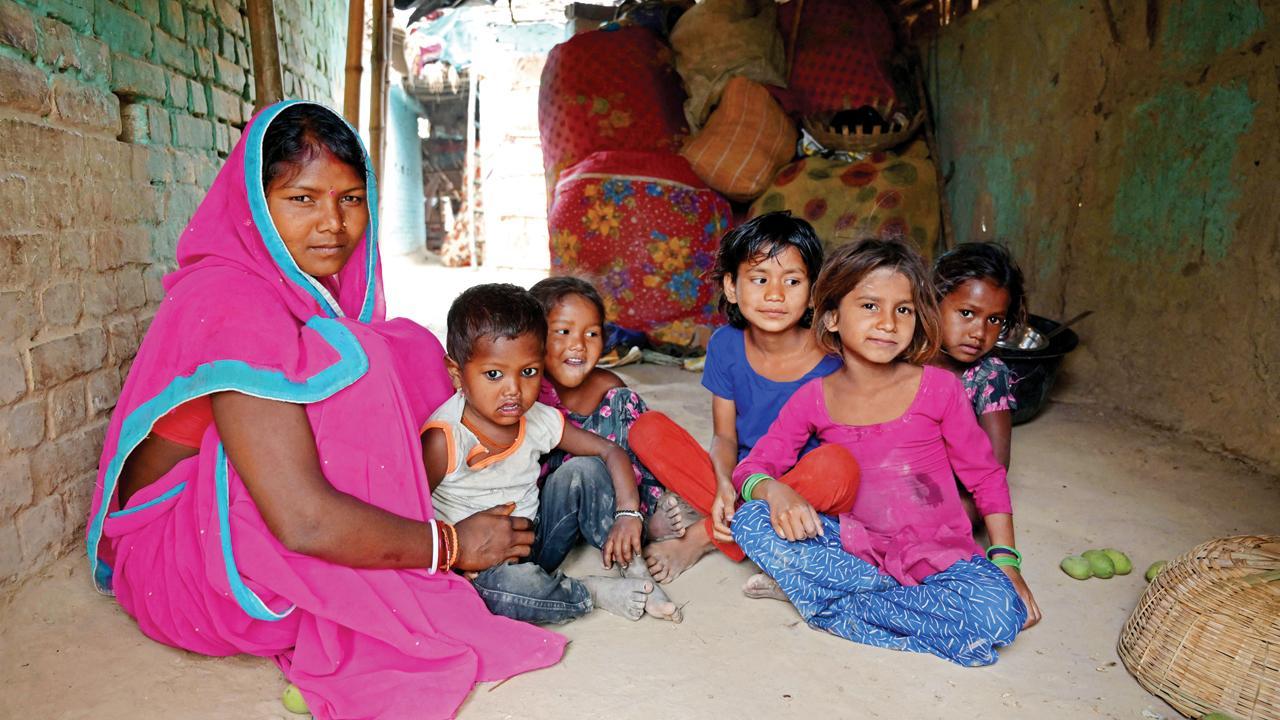
A woman and her five children in Darbhanga district, Bihar. The district has been recorded to have the largest population of people living below the poverty line. Representational Pic/Getty Images
India has eliminated extreme poverty, a commentary authored by economists Surjit Bhalla and Karan Bhasin in a leading American think-tank The Brookings Institution said, citing the just released consumption expenditure data for 2022-23.
In the article, the two noted economists cite the data to say real per capita consumption has grown 2.9 per cent per annum since 2011-12, with rural growth at 3.1 per cent being significantly higher than urban growth of 2.6 per cent. Also, there has been an unprecedented decline in urban and rural inequality. The urban Gini declined from 36.7 to 31.9; the rural Gini declined from 28.7 to 27.0.
Trending Stories
Latest Photos
Latest Videos
Latest Web Stories
ADVERTISEMENT
Mid-Day Fast
ADVERTISEMENT

ADVERTISEMENT