






Home / News / India News / Article /
Delhi air quality tumbles as residents flout top court's Diwali firecracker ban
Updated On: 13 November, 2023 03:00 PM IST | Mumbai | mid-day online correspondent
Despite a ban on firecrackers during Diwali night, Delhi witnessed a surge in pollution levels on Monday morning, with a smoky haze engulfing the city

Listen to this article :
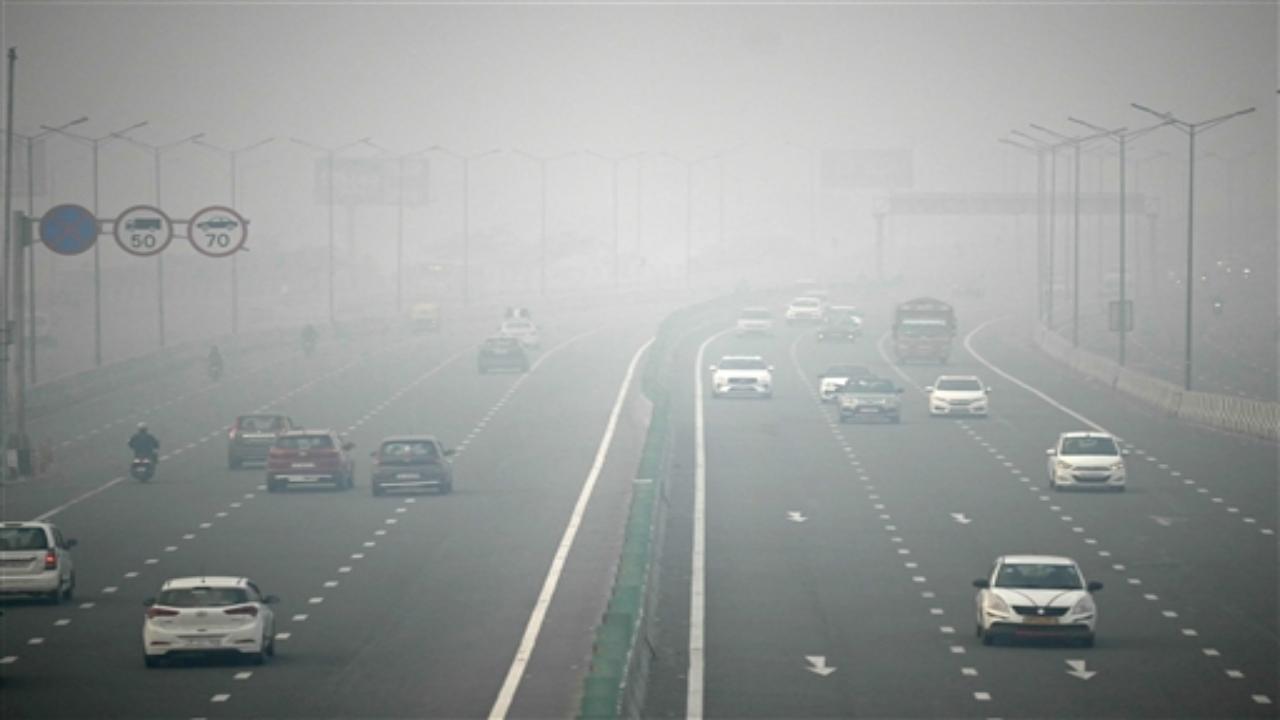
Commuters make their way along a road amid heavy smoggy conditions in New Delhi on November 13, 2023. Delhi regularly ranks among the most polluted major cities on the planet, with a melange of factory and vehicle emissions exacerbated by seasonal agricultural fires. Pic/AFP
Despite a ban on firecrackers during Diwali night, Delhi witnessed a surge in pollution levels on Monday morning, with a smoky haze engulfing the city. Residents flouted the restrictions, leading to a jump in pollution levels, especially amid low temperatures.
On Diwali day, the city had recorded its best air quality in eight years, with the 24-hour average Air Quality Index (AQI) settling at 218. However, the morning after Diwali saw a significant deterioration, with the AQI standing at 275 (poor category) at 7 am and rising to 322 by noon. Some areas, including Ayanagar, Central Road Research Institute, and Pusa, experienced pollution levels nearing the "severe" category.
Trending Stories
Latest Photos
Latest Videos
Latest Web Stories
ADVERTISEMENT
Mid-Day Fast
ADVERTISEMENT

ADVERTISEMENT