






Home / Mumbai-guide / Things To Do / Article /
Alice Munro's daughter reveals sexual abuse by stepfather in new essay
Updated On: 29 July, 2024 09:00 AM IST | Mumbai | Nandini Varma
In an essay published recently, acclaimed short story writer Alice Munro’s daughter wrote about being sexually abused by Munro’s second husband. We listen to a podcast that opens the debate on whether one can come to terms with a writer whose moral conduct has been questionable

Listen to this article :
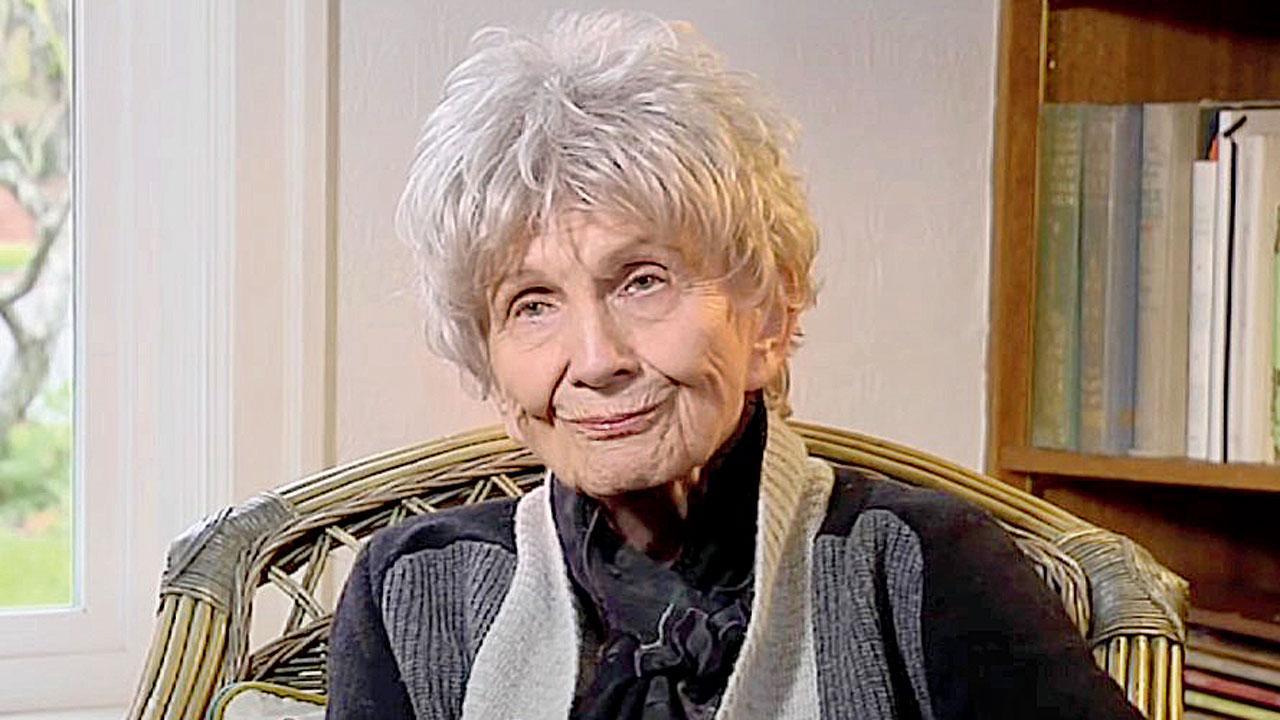
Canadian writer Alice Munro. PIC COURTESY/youtube
In an essay released this month, the Canadian short story writer Alice Munro’s daughter Andrea Skinner opened up about being sexually assaulted by her stepfather, and Munro’s second husband, Gerald Fremlin. Skinner was only nine years old at the time. Growing up, living with the trauma of the abuse, she developed migraines, insomnia, and bulimia. When she eventually told her mother a few years later, Munro responded by saying that she had been “told too late” and continued to stay with Fremlin till his death. The revelation about the writer’s complicity has led to a round of debates among readers on how one returns to artists such as Munro after learning about their choice to protect abusers.
The New Yorker’s Critics at Large podcast takes it up in a recent episode called Alice Munro’s Fall from Grace. Hosts Vinson Cunningham, Naomi Fry, and Alexandra Schwartz introduce the writer as the most “beloved” among short story writers. Journalist Jiayang Fan adds how Munro’s subjects were often women and the violence inflicted on them. This is why those shocked by the news argue that her complicity comes as a surprise.
Trending Stories
Latest Photos
Latest Videos
Latest Web Stories
ADVERTISEMENT
Mid-Day Fast
ADVERTISEMENT

ADVERTISEMENT