






Home / Mumbai-guide / Things To Do / Article /
Why you should read Booker Prize 2023-shortlisted book Western Lane
Updated On: 07 October, 2023 10:49 AM IST | Mumbai | Nandini Varma
Western Lane has been shortlisted for the Booker Prize 2023, and, if we may add, deservedly so

Listen to this article :
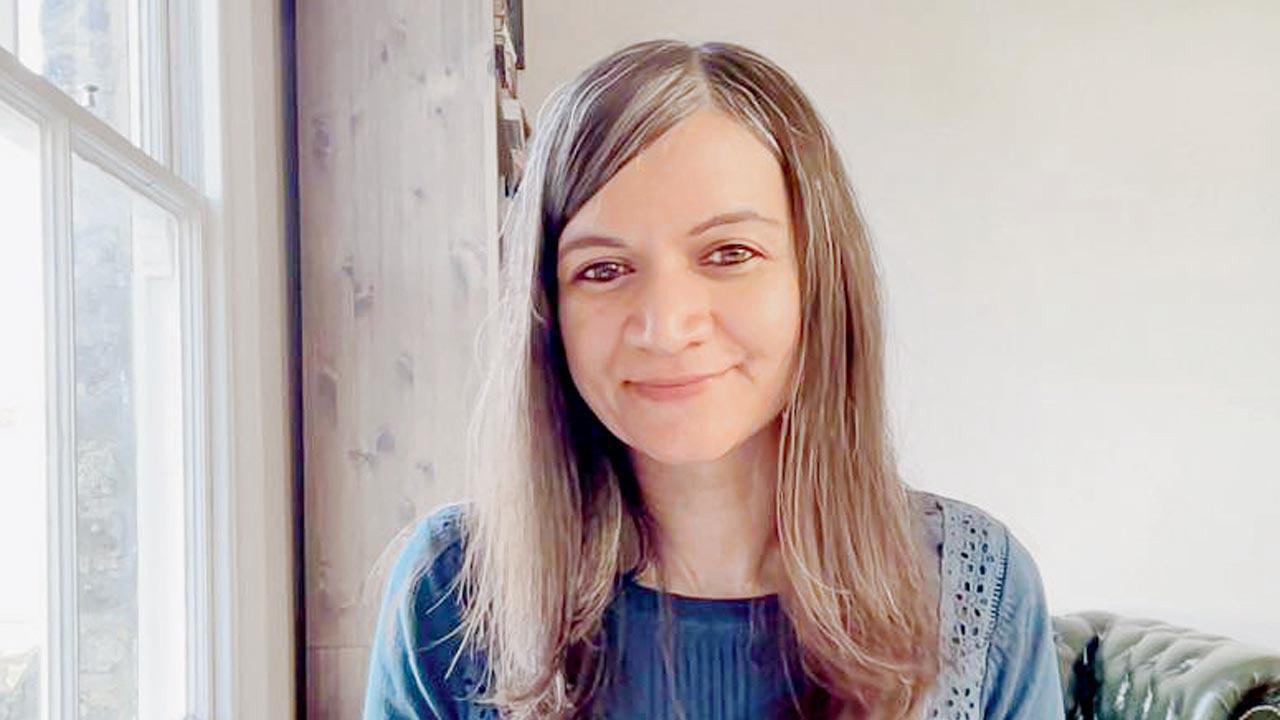
Chetna Maroo. Pic Courtesy/The Booker Prize
In Chetna Maroo’s debut novel Western Lane, we observe the lives of a British-Gujarati family through the eyes of the 11-year-old, squash-playing Gopi. But that’s not all. We get to listen to it, too, through her ears: the “clean and hard” hit of the ball, her father’s stories about the Pakistani squash legend Jahangir Khan, her sister Khush sitting outside the bedroom at night, trying to reach out to their mother in broken Gujarati, and the echo from the neighbouring court.
This is how Maroo fosters an intimacy between Gopi and her readers from the beginning and follows it through effortlessly. Besides the three girls, Gopi, Khush, and Mona, and their father whom they call Pa, she introduces us to two contrasting but significant characters in the protagonist’s life: Aunt Ranjan, who insists on disciplining the girls, else they would turn wild, and Uncle Pavan, her husband, softer, gentler towards them and often a companion and a window into the past for Pa.
At the court in Western Lane, where the three girls train under their father — responding to his gestures, his small voice from the balcony, and sometimes, his silence — we find another player, Ged. He brings Gopi at ease when he begins practising with her. When an important squash tournament lies ahead of them at Durham and Cleveland, much unfolds. It is a testing time for both Gopi and Pa in more ways than one. Gopi must prove herself on the court. But in the middle of the sweat and drills, Pa must also make a difficult decision that could change his daughter’s life.
Trending Stories
Latest Photos
Latest Videos
Latest Web Stories
ADVERTISEMENT
Mid-Day Fast
ADVERTISEMENT

ADVERTISEMENT