






Home / Lifestyle / Nature & Wildlife / Article /
Trends from 120-year data indicate land use pattern influence rainfall: Study
Updated On: 16 July, 2022 02:19 PM IST | Mumbai | IANS
The current spatial and temporal extremes of southwest monsoon have perplexed many, with central and southern peninsular India receiving far excess rains and Indo-Gangetic belt receiving large deficit

Listen to this article :
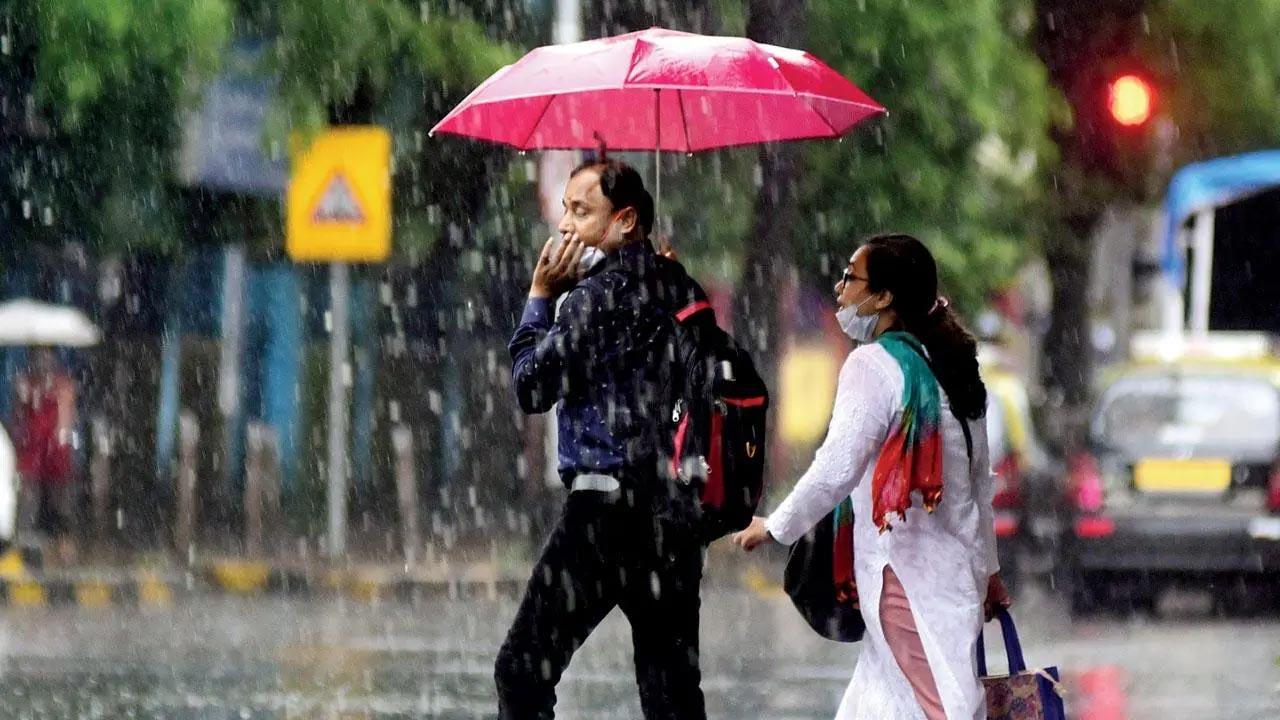
Pic/Shadab Khan
A latest study - based on 120-year data - has found that man-made long-term shifting of land-use and land-cover (LULC) patterns, and most significantly urbanization, play a crucial role in the prediction of the long-term trends of extreme precipitation events, particularly of the intensity of extremes.
The current spatial and temporal extremes of southwest monsoon have perplexed many, with central and southern peninsular India receiving far excess rains and Indo-Gangetic belt receiving large deficit. But this is not the only year it has happened.
Trending Stories
Latest Photos
Latest Videos
Latest Web Stories
ADVERTISEMENT
Mid-Day Fast
ADVERTISEMENT

ADVERTISEMENT