






Home / Lifestyle / Nature & Wildlife / Article /
Dehydration to parasitic infections: Tips to protect pets and strays in summer
Updated On: 13 May, 2024 11:01 AM IST | Mumbai | Aakanksha Ahire
Furry beings are more susceptible to health problems during summer. These problems can cause discomfort, pain, and even life-threatening situations. We got vets to share a set of health tips to keep pets and strays safe during this season

Listen to this article :
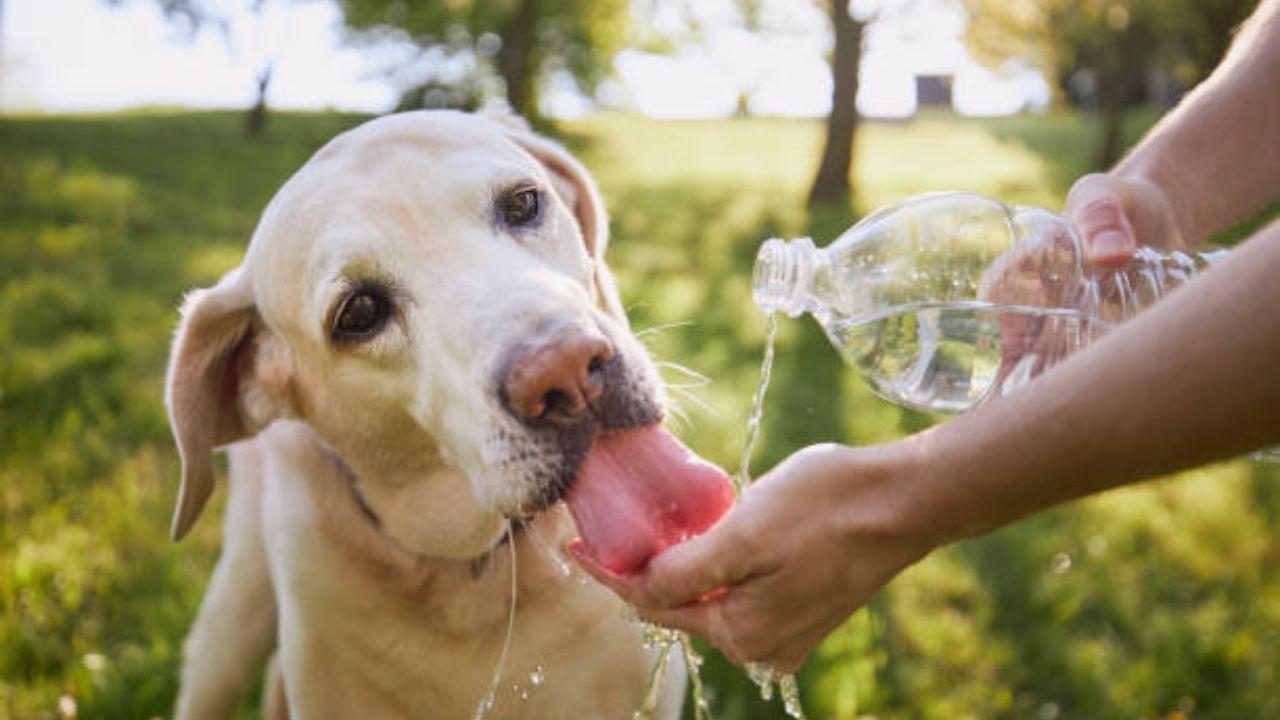
Image for representational purposes only. Photo Courtesy: iStock
Just as the heat is taking a toll on us humans, we must not forget that our pets and strays in our vicinity too are exposed to summer-related health risks. The four-legged beings are more susceptible to summer ailments. Although few households often do their best to protect the furry beings in this blazing climate by serving food and keeping water bowls outside their doors and windows, there is a lot more that can be done to ensure their optimal health.
Mid-day.com spoke to veterinarians – Dr Jitesh Kumar Chetiwal, veterinary surgeon, Dr Akshay Shah veterinary acupuncturist and veterinary homeopath, and Dr Bhoomika R, veterinarian, and product executive, Drools Pet Food, who suggested a few easy ways in which we all can ensure good care of our pets as well as other four-legged homeless stray animals.
What common health risks are animals prone to during summer?
Chetiwal: The most common health risks for pets and strays during summer include:
1. Heatstroke and dehydration: Heatstroke is a severe and potentially lethal condition that can manifest in dogs when their body temperature rises due to rising environmental temperatures. Dogs may suffer from heatstroke when they are exposed to high temperatures or moisture for a long period. Indications of heatstroke include panting, drooling, vomiting, diarrhoea, and seizures. To avoid any such situation, it is crucial to provide your dog with enough shade and water and abstain from confining them in a hot vehicle or room and taking them out during the daytime.
2. Parasitic infestation: Mosquitoes, ticks, and fleas are more active during the summer months and can spread a range of diseases to dogs. Check your dog frequently for ticks and fleas, and speak to your veterinarian about preventative treatments.
3. Blisters: Hot streets, sand, and concrete can cause burns and blisters on your dog’s paw pads. Avoid walking your dog during the hottest parts of the day, and stick to shaded areas and grass-covered lawns if possible. If you must walk your dog on hot surfaces, consider using protective paw wax or booties.
Bhoomika: According to veterinarians, heatstrokes in dogs are common. Factors responsible include obesity, narrow airways or problems with the heart or lungs. Other internal factors include abnormal calcium levels, previous heat stroke episodes, or a genetic tendency towards heat stroke. Symptoms of heat stroke include difficulty in breathing, excessive drooling, foaming at the mouth, nosebleeds, vomiting, weakness, and seizures. Heat exhaustion in dogs is also caused by external factors such as lack of shade, poor ventilation, not cooling off after exercise, excessive exercise in hot weather, and limited access to water.
What kind of preventative measures should caretakers adopt?
Chetiwal: The most important preventive measure for both strays and pets is the availability of water all day as the fur babies might get thirsty. Another important measure is shelter for the strays – makeshift shelters using cardboard or old clothes along with a constant water source to keep the fur babies hydrated can help them escape the harsh sun and the soaring temperatures.
For the pets, it is necessary to be mindful of their needs and their comfort during summer as the concrete/ asphalt might be almost searing hot and might burn their paws.
Further planting trees from now on can provide natural shade and cooling effect in the following years.
Shah: There are no specific vaccines to be given especially in summer but regular annual vaccinations must be up to date. Regular deworming has to be done for your pets.
Bhoomika: Regular veterinary check-ups and up-to-date vaccinations are crucial, especially during summer when outdoor time and interaction with other animals increase the risk of illness. Dogs and cats need vaccinations for good health.
Core vaccines for dogs include distemper, parvovirus, adenovirus, and rabies, while cats receive protection against viral rhinotracheitis, calicivirus, panleukopenia, and rabies and non-core vaccines for kennel cough, leptospirosis, Lyme disease, and canine influenza.
How should we keep stray animals and pets cool during summer?
Chetiwal: Increasing your pet’s hydration is one thing – getting them to drink is another. Whether it is due to an illness, surgery, or demeanour some pets solely don’t drink enough. They will need some reassurance from you. Here are a few tips to get started:
Buy now to read the full story.
For any queries please contact us: E-mail: support@mid-day.com
Trending Stories
Latest Photos
Latest Videos
Latest Web Stories
ADVERTISEMENT
Mid-Day Fast
ADVERTISEMENT

ADVERTISEMENT