


Home / Lifestyle / Health & Fitness / Photos /
IN PHOTOS: Here is how air pollution affects fertility in men and women
Updated On: 15 November, 2023 07:37 PM IST | Editor
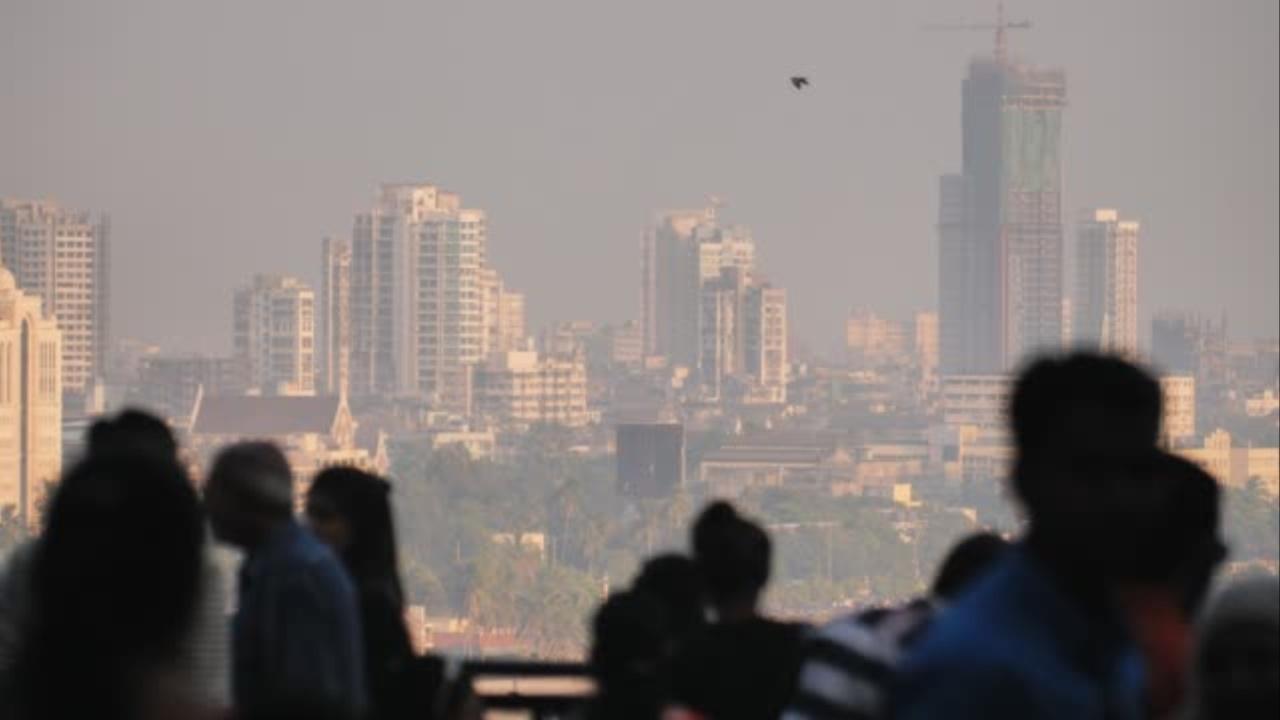
Exposure to air with oestrogenic and antiandrogenic substances can impair testosterone and sperm production

1/6
Exposure to air with oestrogenic and antiandrogenic substances can impair testosterone and sperm production
2/6
Reduced sperm quality
For men, exposure to air pollutants like particulate matter (PM), heavy metals and polycyclic aromatic hydrocarbons can lead to decreased sperm quality. This can result in lower sperm count, reduced sperm motility, and increased DNA damage in sperm cells, making it more challenging to achieve pregnancy
ADVERTISEMENT
3/6
Hormonal imbalance
Air pollution can disrupt the endocrine system in both genders, affecting the balance of reproductive hormones. In women, this can lead to irregular menstrual cycles, anovulation and even conditions like polycystic ovary syndrome (PCOS), making conception difficult
4/6
Higher risk of miscarriage
Prolonged exposure to air pollution is associated with a higher risk of miscarriage in pregnant women. Pollutants like PM2.5 and PM10 can enter the bloodstream and potentially harm the developing foetus
ADVERTISEMENT

5/6
Impact on ovarian reserve
For women, air pollution may lead to a reduction in ovarian reserve, which represents the number of viable eggs in the ovaries. This can accelerate the process of ovarian ageing, making it more challenging to conceive
6/6
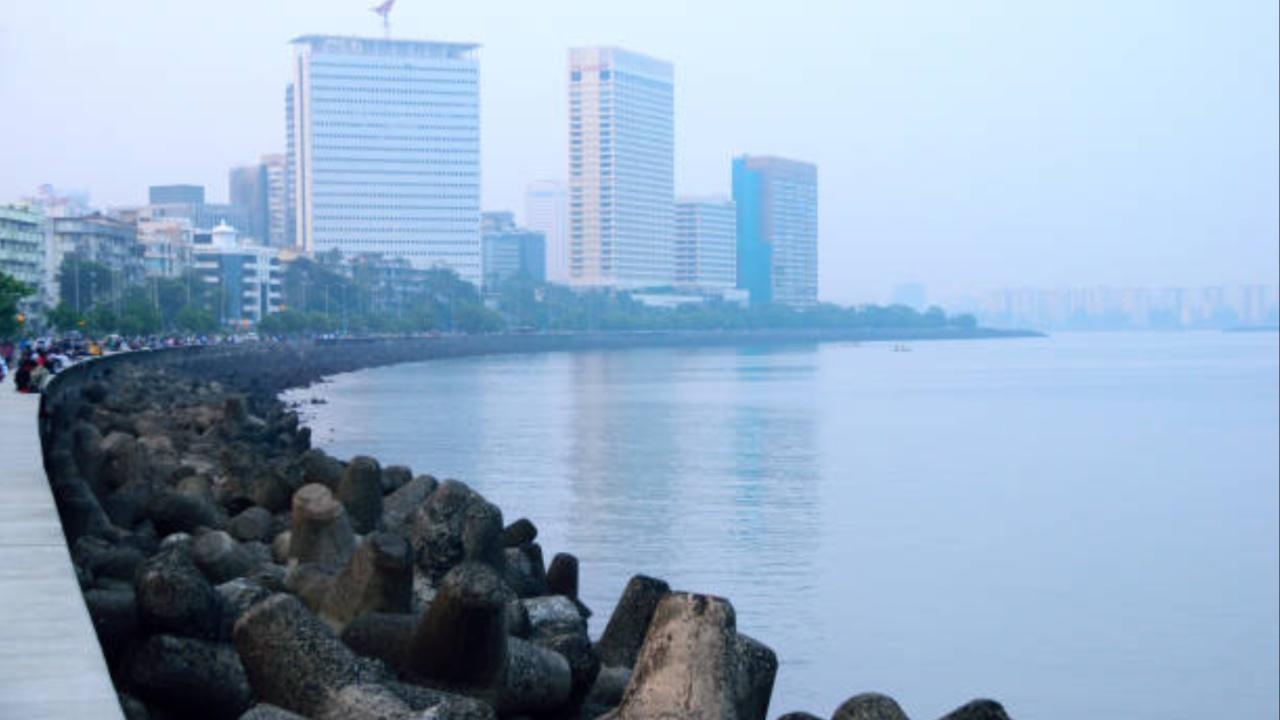
Delayed time to pregnancy
Both men and women exposed to high levels of air pollution may experience a delay in pregnancy. This means it may take longer to conceive, causing emotional and psychological stress
ADVERTISEMENT
ADVERTISEMENT
Photo of Day

High tidal waves in Mumbai delay Lalbaugcha Raja`s visarjan
The iconic Lalbaugcha Raja idol was shifted onto a raft on Sunday afternoon after delays since morning due to high tide and technical challenges, with final immersion, delayed by several hours, expected to take place around 11 pm, officials said.
ADVERTISEMENT