






Home / Lifestyle / Health & Fitness / Article /
A guide to navigating social relationships for individuals with bipolar disorder
Updated On: 31 March, 2024 08:20 AM IST | Mumbai | Maitrai Agarwal
Be it familial, or friendly, our relationships keep us afloat, and for individuals with mental health issues, it may prove tough to maintain social relationships. On World Bipolar day, we asked an expert to further our understanding, and share individual practices that can aid in navigating healthy social relationships

Listen to this article :
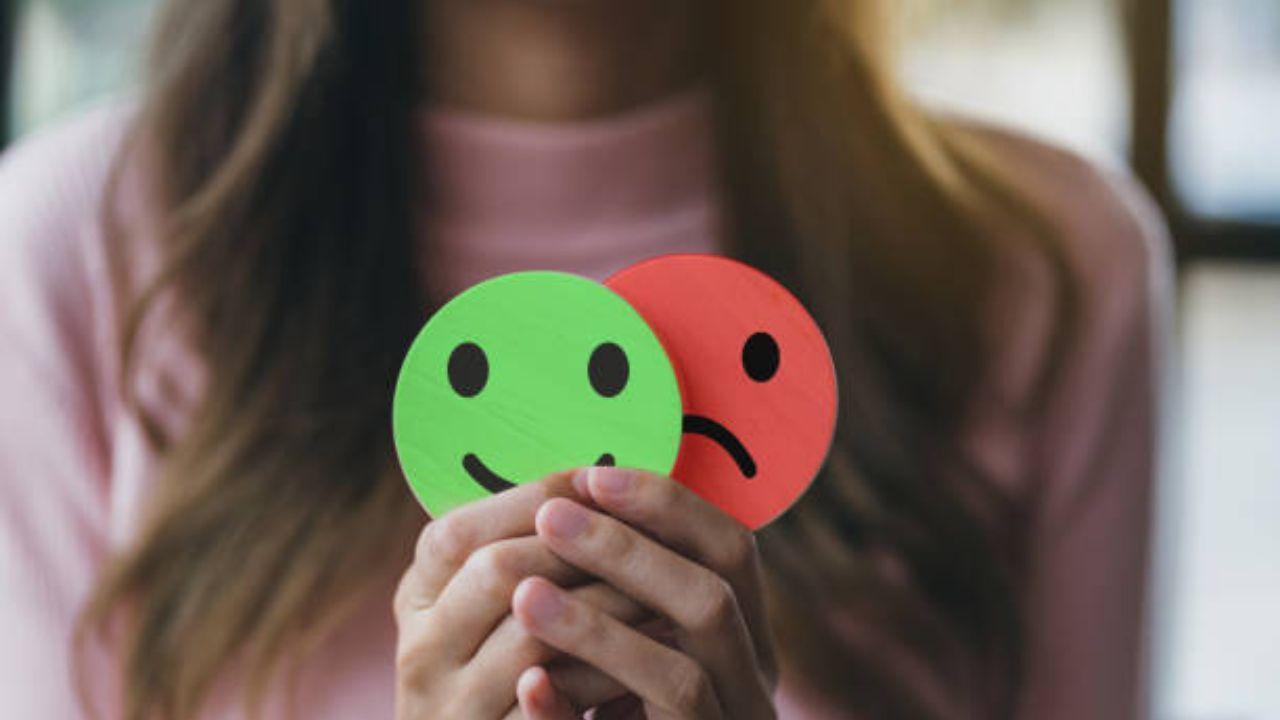
Image for representational purposes only. Photo Courtesy: iStock
“Bipolar disorder is a mental health disorder characterised by significant shifts in mood and activity levels. These fluctuations in mood can range from periods of extreme elation, irritability or high energy (mania) to periods of intense sadness and hopelessness (depressive episodes). The severity of these shifts in mood can vary from person to person,” explains Riea Enok, therapist at The Mood Space. She tells us that bipolar disorder is a lifelong condition, and can affect the way individuals’ function in different areas of their lives, including interpersonal relationships. The stigma associated with mental health disorders may also prevent people from forming, and maintaining fulfilling relationships. On World Bipolar Day, the mental health expert answers pertinent questions, and lays down a path for navigating social relationships for individuals with bipolar disorder, and their loved ones.
How does stigma fuel feelings of isolation?
Enok: Due to lack of knowledge and awareness about mental health conditions like bipolar disorder, persons may have suffered harassment and judgement from even their closest friends and family over the years. There may be a hesitation to disclose the diagnosis or share experiences with others. They may even avoid interacting with people or push them away which can leave them feeling misunderstood and alone,” says Riea Enok, therapist at The Mood Space.
Individuals with bipolar disorder may have internalised the judgement and negative messages they heard about their mental health condition. This can affect self-esteem where they may foster a fear of abandonment in relationships. Additionally, when an individual living with bipolar disorder sees others going through life without the same difficulties they have, it can further fuel feelings of loneliness and alienation.
Buy now to read the full story.
For any queries please contact us: E-mail: support@mid-day.com
Trending Stories
Latest Photos
Latest Videos
Latest Web Stories
ADVERTISEMENT
Mid-Day Fast
ADVERTISEMENT

ADVERTISEMENT