






Home / Lifestyle / Health & Fitness / Article /
Why TV exposure may be harmful for babies and toddlers
Updated On: 10 January, 2024 07:38 AM IST | New York | IANS
For the study, published in the journal JAMA Pediatrics, the team pulled 2011-2014 data on television or DVD-watching by babies and toddlers at 12, 18 and 24 months

Listen to this article :
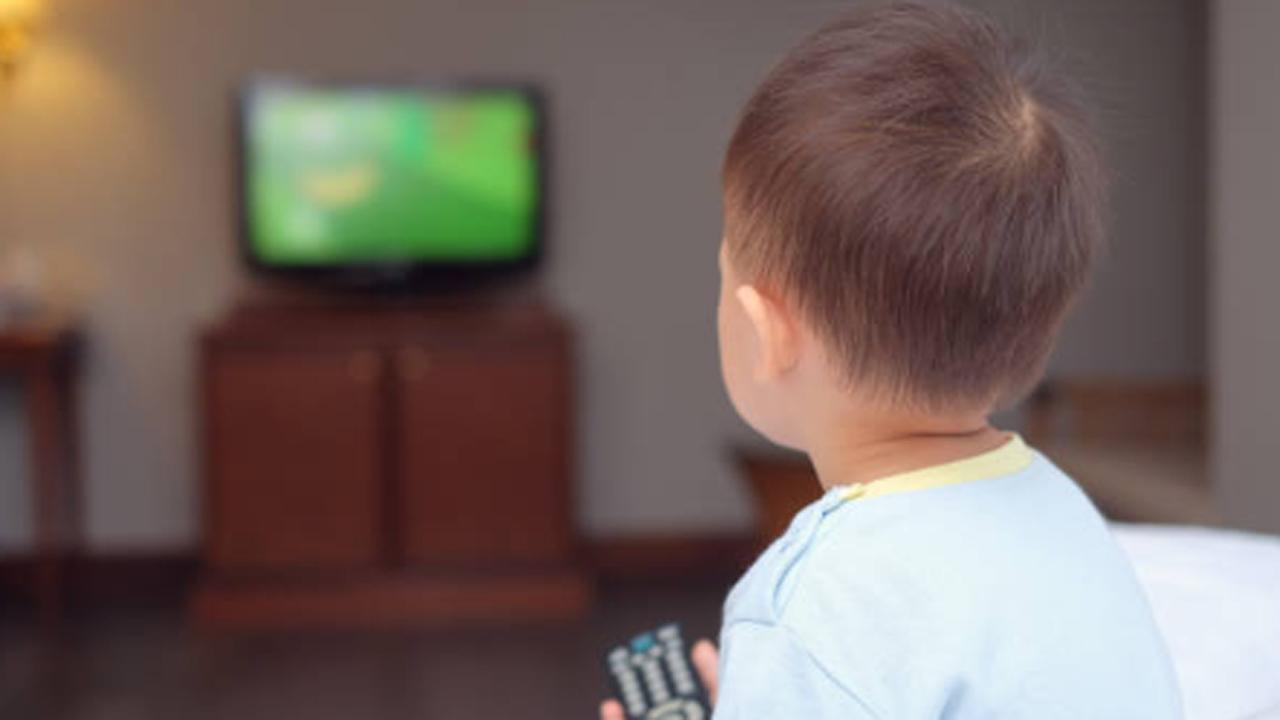
Representational Image. Pic Courtesy/iStock
Babies and toddlers exposed to television or video viewing may be more likely to exhibit atypical sensory behaviours, such as being disengaged and disinterested in activities, seeking more intense stimulation in an environment, or being overwhelmed by sensations like loud sounds or bright lights, warned a study.
According to researchers at Drexel University, children exposed to greater TV viewing by their second birthday were more likely to develop atypical sensory processing behaviours, such as "sensation seeking" and "sensation avoiding," as well as "low registration" -- being less sensitive or slower to respond to stimuli, such as their name being called, by 33 months old.
Trending Stories
Latest Photos
Latest Videos
Latest Web Stories
ADVERTISEMENT
Mid-Day Fast
ADVERTISEMENT

ADVERTISEMENT