






Home / Lifestyle / Health & Fitness / Article /
Washing hands can aid infection control and prevention of diarrhoea
Updated On: 10 May, 2023 02:10 PM IST | New Delhi | IANS
The data is enough to highlight how important it is to integrate hygiene practices like washing hands in our lives as effective preventive measures

Listen to this article :
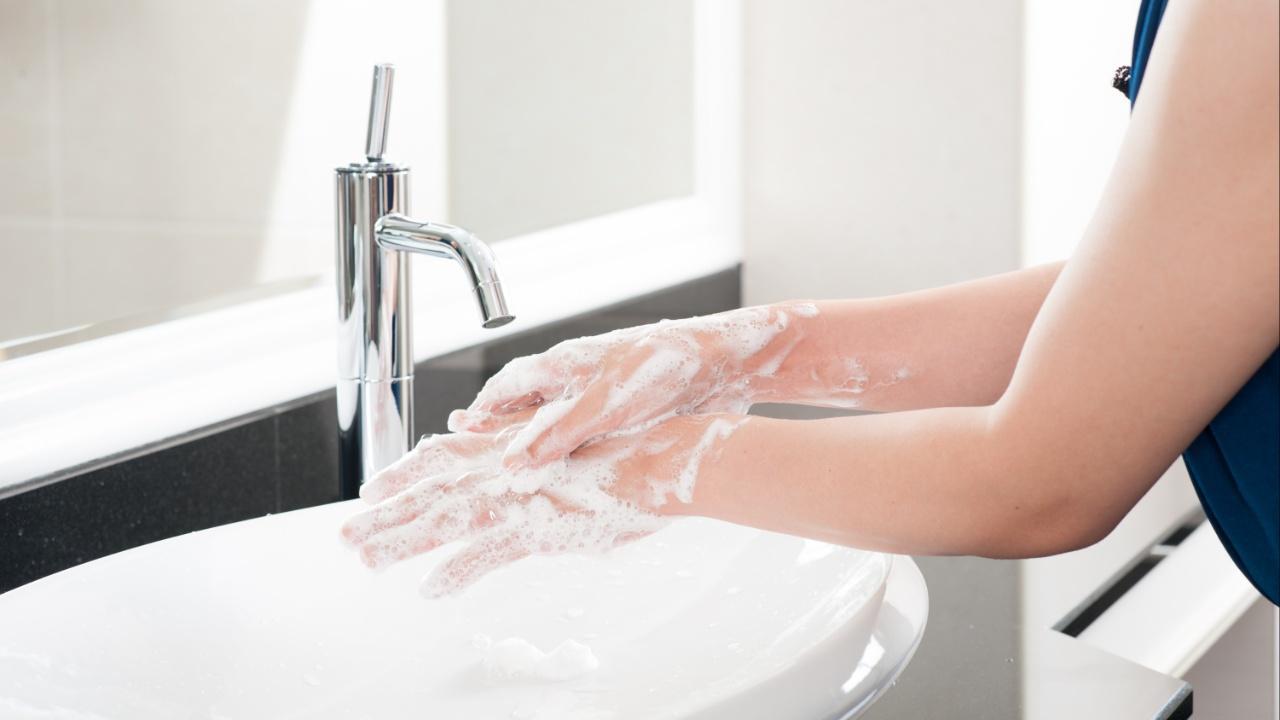
Image for representational purposes only. Photo Courtesy: iStock
An ounce of prevention is worth a pound of cure! This came into realisation during the chaotic times of the pandemic when washing hands thoroughly was the most basic precaution asked by the government and healthcare authorities. However, hygiene has always lagged behind in most countries of the world resulting in the WHO recognising WASH (Water, sanitation and hygiene) as a human right for all and including it in the Sustainable Development Goals tailored for the world.
In India, the state of WASH is gradually improving but still has a huge scope for improvement and increased awareness drive. During the period of 2010-2013, India recorded 7.5 per cent of deaths among all age groups because of diarrhoea, malaria, and some tropical diseases while more than 1.32 crore cases of acute diarrhoeal disease were listed in the country in 2019. The data is enough to highlight how important it is to integrate hygiene practices like washing hands in our lives as effective preventive measures.
Read Next Story
Trending Stories
Latest Photos
Latest Videos
Latest Web Stories
ADVERTISEMENT
Mid-Day Fast
ADVERTISEMENT

ADVERTISEMENT