






Home / Lifestyle / Health & Fitness / Article /
Unique brain connectivity patterns found in people born blind
Updated On: 31 July, 2024 12:32 PM IST | Mumbai | IANS
The study, led by Lenia Amaral, PhD, and Ella Striem-Amit, PhD, explores how the visual cortex in individuals born blind responds to various stimuli, including touch and sound. Unlike the consistent visual cortex connectivity in sighted people, blind individuals exhibit highly individual patterns that are stable over time

Listen to this article :
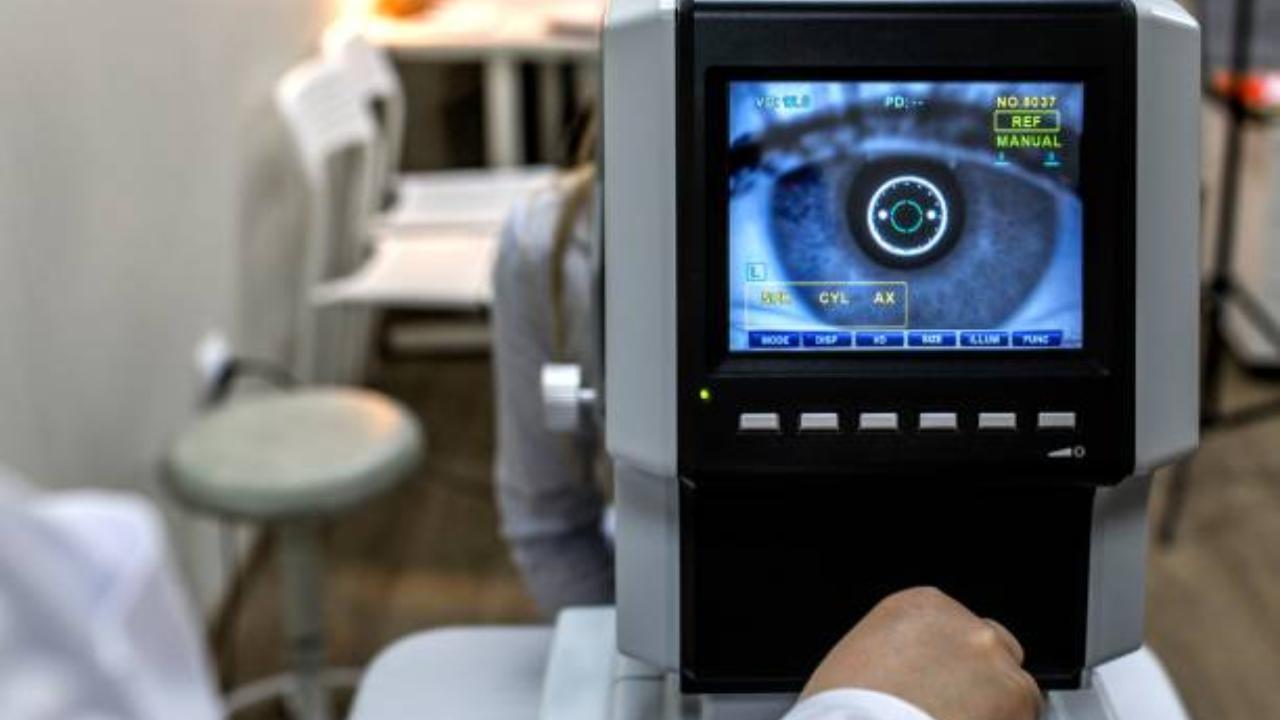
Image for representational purposes only. Photo Courtesy: iStock
People born blind develop unique connectivity patterns in the primary visual cortex, akin to a fingerprint, a new study by Georgetown University neuroscientists reveals.
Published in Proceedings of the National Academy of Sciences (PNAS), these findings could inform personalised rehabilitation and sight restoration strategies.
Trending Stories
Latest Photos
Latest Videos
Latest Web Stories
ADVERTISEMENT
Mid-Day Fast
ADVERTISEMENT

ADVERTISEMENT