






Home / Lifestyle / Health & Fitness / Article /
The urgent and indisputable need for queer affirmative therapy
Updated On: 24 June, 2023 09:04 AM IST | Mumbai | Maitrai Agarwal
Psychologist Shruti Suhas Padhye outlines the importance of intersectionality and nuances of providing queer affirmative counselling practice

Listen to this article :
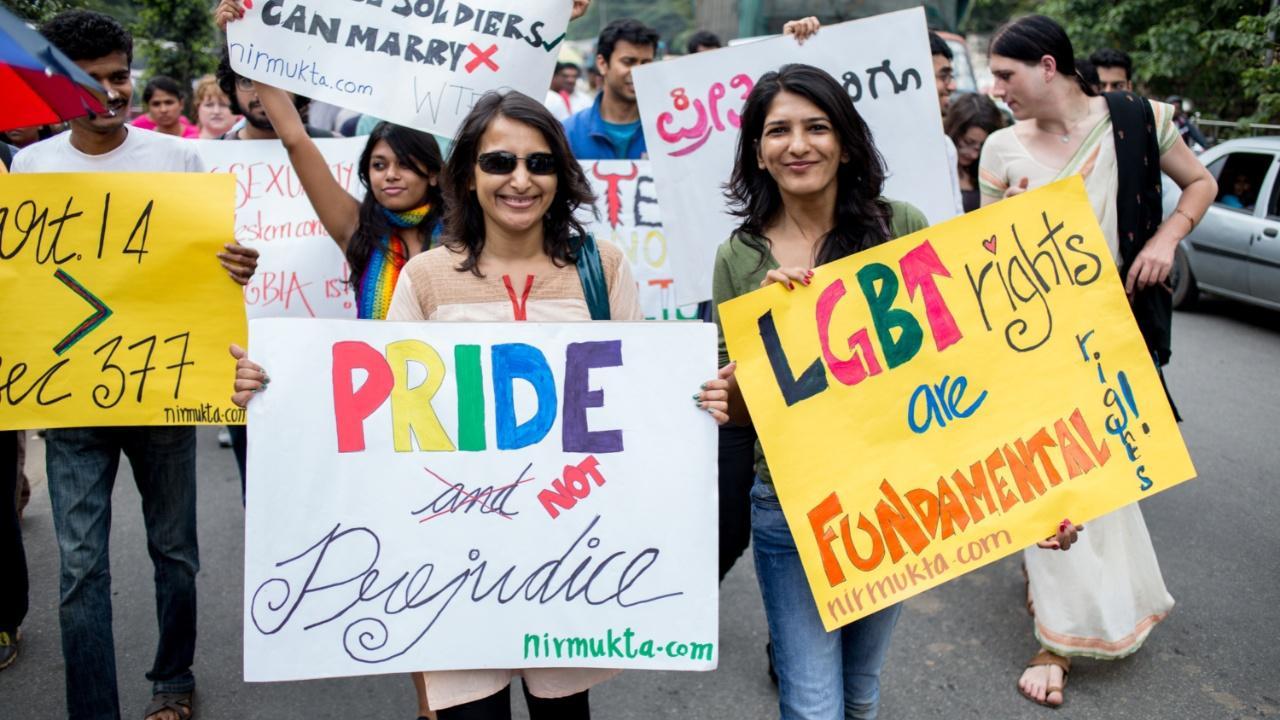
LGBTQIA+ individuals are more than twice as likely as cis-gender heterosexuals (cis-het) to have a mental health disorder in their lifetime. Photo/iStock
Mental health is a growing public health crisis across the globe. Around 20 per cent of the world’s children and adolescents suffer from a mental health condition and approximately 1 in every 8 people (970 million) live with a mental health disorder, World Health Organization estimates suggest. Social and structural factors have a significant impact on mental health. Individual psychological and biological factors also contribute to the vulnerability.
According to the American Psychiatric Association, LGBTQIA+ individuals are more than twice as likely as cis-gender heterosexuals (cis-het) to have a mental health disorder in their lifetime. They are 2.5 times more likely to experience depression, anxiety and substance misuse compared with cis-het. This is because queer individuals are more likely to experience discriminatory attitude, human rights violations including violence, involuntary medical procedures and stressors. Recognising inequalities and their impact on mental health and to provide better care to LGBTQIA+ persons across the spectrum, the need for Queer Affirmative Counselling Practice (QACP) has become indisputable.
Trending Stories
Latest Photos
Latest Videos
Latest Web Stories
ADVERTISEMENT
Mid-Day Fast
ADVERTISEMENT

ADVERTISEMENT