






Home / Lifestyle / Health & Fitness / Article /
Scientists find 35 previously unknown species of bacteria
Updated On: 09 January, 2024 08:05 AM IST | London | IANS
An evaluation of the patient data showed that seven out of the 35 new strains were clinically relevant, meaning that they can cause bacterial infections in humans

Listen to this article :
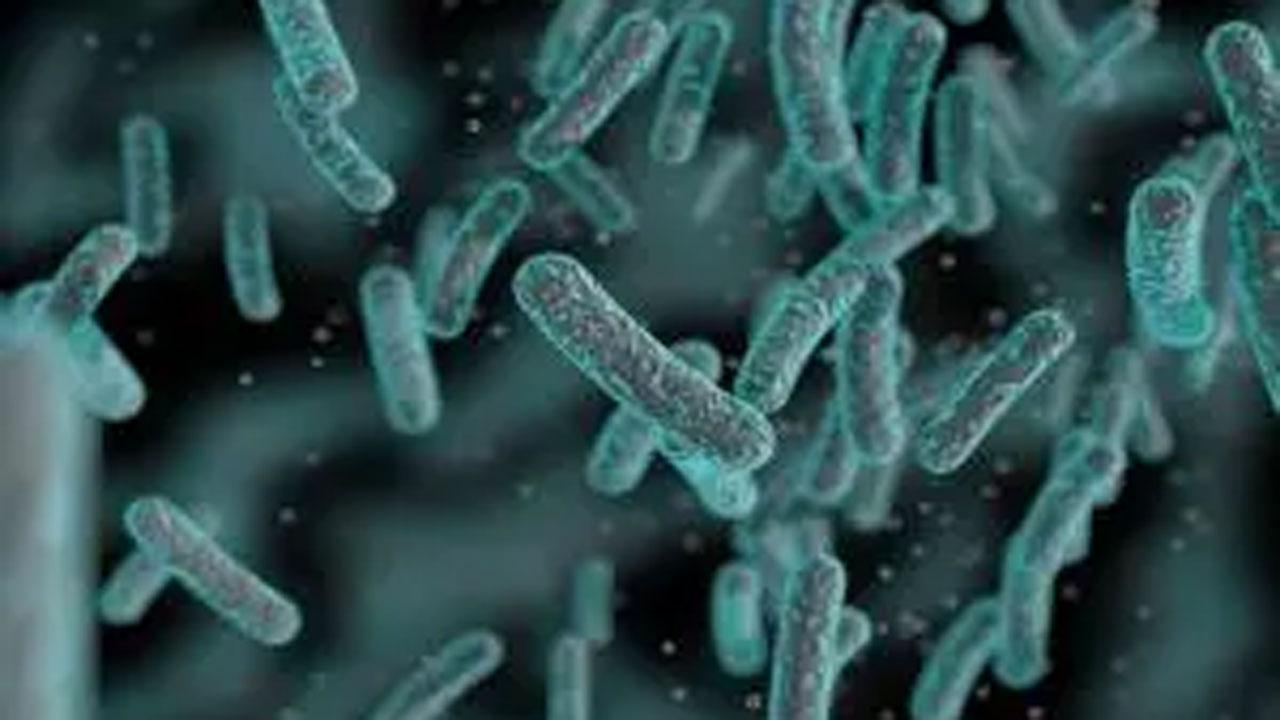
Image for representational purpose only. Photo Courtesy: istock
A team of scientists has discovered 35 new species of bacteria, some of which can cause infections in humans.
The team from the University of Basel and the University Hospital Basel in Switzerland has been collecting and analysing patient samples containing such unknown germs since 2014.
Overall, the team analysed 61 unknown bacterial pathogens found in blood or tissue samples from patients with a wide range of medical conditions.
Conventional laboratory methods, such as mass spectroscopy or sequencing a small part of the bacterial genome, had failed to produce results for all these isolates. That is why the researchers sequenced the complete genetic material of the bacteria using a method that has only been available for a few years.
Read Next Story
Trending Stories
Latest Photos
Latest Videos
Latest Web Stories
ADVERTISEMENT
Mid-Day Fast
ADVERTISEMENT

ADVERTISEMENT