






Home / Lifestyle / Health & Fitness / Article /
Monsoon withdrawal and the spread of Mosquito-borne viruses in India
Updated On: 11 October, 2023 01:36 PM IST | Mumbai | IANS
The withdrawal of the monsoon marks a crucial period when these diseases proliferate at an alarming rate. Several factors contribute to this spike in mosquito-borne illnesses during the monsoon retreat

Listen to this article :
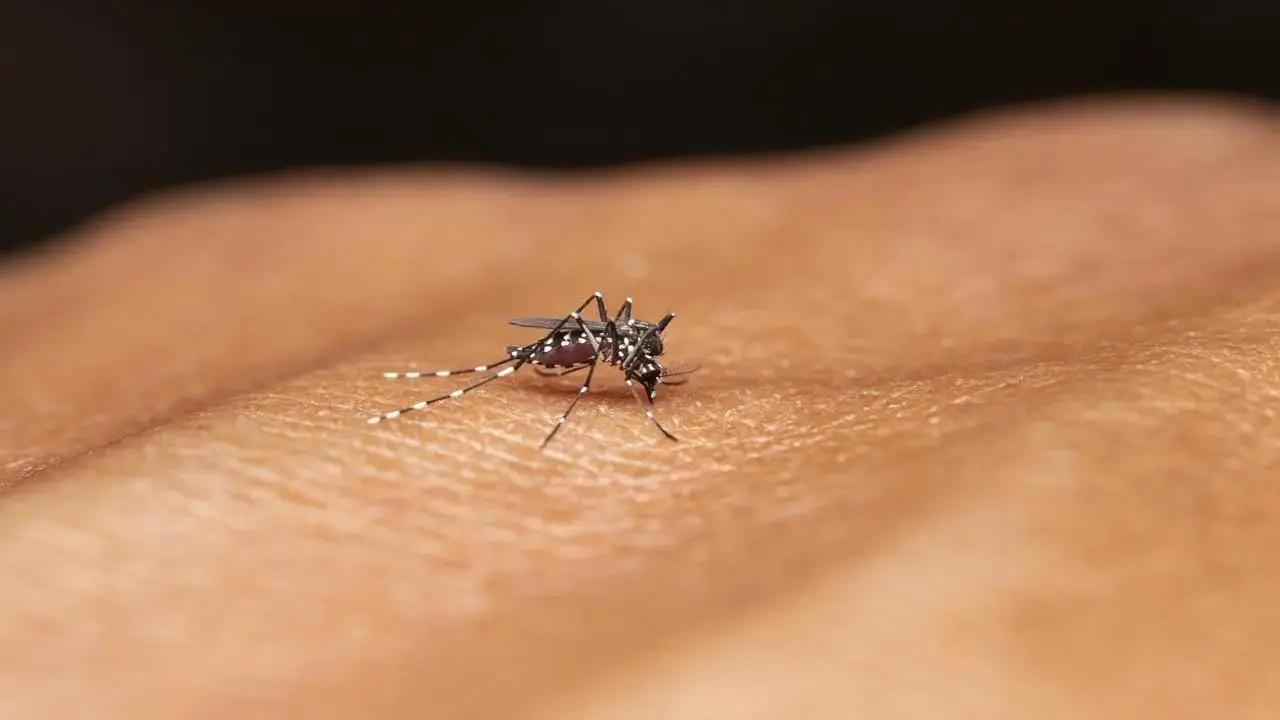
Image for representational purposes only. Photo Courtesy: iStock
The Aedes mosquito breeds in urban water sources such as rainwater collected in potholes/flower pots /construction sites. The breeding begins with the onset of the pre-monsoon showers and continues during the monsoon. With each subsequent breeding cycle, mosquito numbers increase logarithmically. Therefore, by the time of the retreating monsoon season, larvae water mosquito numbers are reflected in the increasing number of mosquito-borne illnesses.
The withdrawal of the monsoon marks a crucial period when these diseases proliferate at an alarming rate. Several factors contribute to this spike in mosquito-borne illnesses during the monsoon retreat.
Trending Stories
Latest Photos
Latest Videos
Latest Web Stories
ADVERTISEMENT
Mid-Day Fast
ADVERTISEMENT

ADVERTISEMENT