






Home / Lifestyle / Health & Fitness / Article /
How can women drop plastic by switching to plant-based sanitary napkins
Updated On: 28 May, 2023 05:33 PM IST | Mumbai | Ainie Rizvi
Being mindful of the environment is the need of the hour. As opposed to plastic sanitary napkins which take 250-800 years to decompose, now coming up are plant-based napkins that are not only easy to decompose but also light on the intimate skin

Listen to this article :
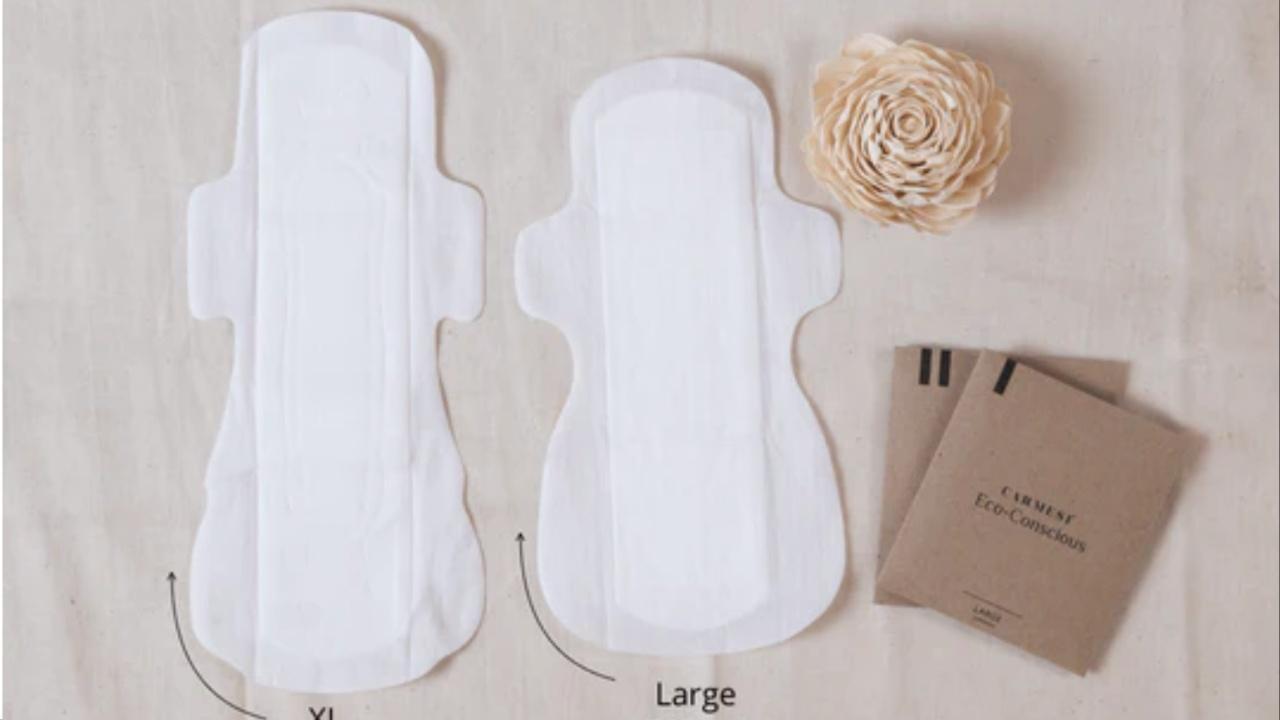
An estimated 80 per cent of urban women rely on inorganic plastic napkins which not only endanger workers who treat waste but also carry harmful elements that cause nausea, fatigue and release carcinogenic gases.
Menstruation, often referred to as period, is the natural vaginal bleeding that occurs as part of a woman`s monthly cycle. The female body prepares for pregnancy every month by the law of nature. If there is no incidence of pregnancy, the uterus, or womb, loses its lining resulting in periodic blood flow. This flow comprises blood and tissue that is shed from inside the uterus.
According to a recent study conducted by an NGO, Toxic Links, around 12.3 billion sanitary napkins, amounting to 113,000 tonnes of waste, get dumped into India’s landfills every year. The study also claims that the commonly found napkins constitute 90 per cent plastic which is equivalent to the impact of 4 plastic bags.
An estimated 80 per cent of urban women rely on inorganic plastic napkins which not only endanger workers who treat waste but also carry harmful elements that cause nausea, fatigue and release carcinogenic gases. The question arises, what is the solution to this double whammy caused by plastic napkins?
Read Next Story
Trending Stories
Latest Photos
Latest Videos
Latest Web Stories
ADVERTISEMENT
Mid-Day Fast
ADVERTISEMENT

ADVERTISEMENT