






Home / Lifestyle / Health & Fitness / Article /
How online art viewing can impact our well-being
Updated On: 08 May, 2023 05:19 PM IST | Mumbai | Ainie Rizvi
A Google Arts and Culture interactive Monet Water Lily art installation was watched by 240 study participants. After viewing, they submitted information about their mental state. The results showed considerable changes in mood and anxiety

Listen to this article :
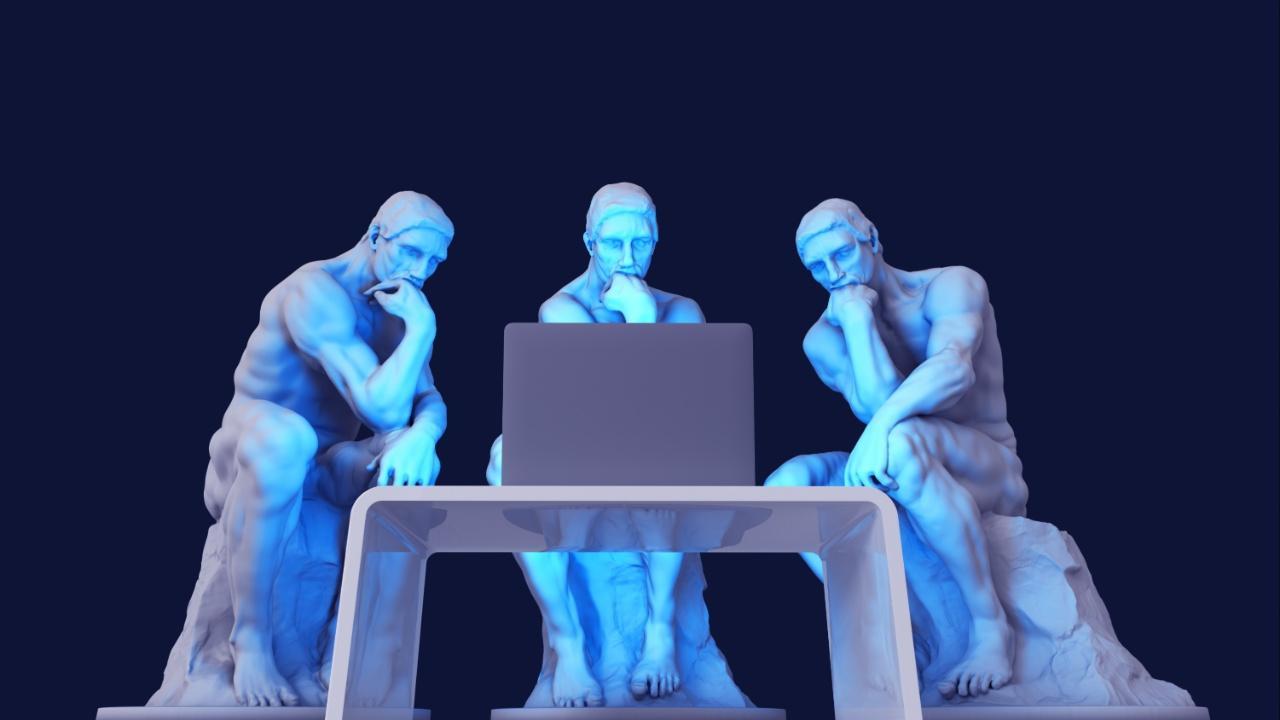
Image for representational purposes only. Photo Courtesy: iStock
Art has the power to change our minds. But does this hold true while viewing artwork on a screen? This issue was chosen for investigation by an international research team directed by the University of Vienna, the Max Planck Institute for Psycholinguistics in Nijmegen, and the Max Planck Institute for Empirical Aesthetics (MPIEA) in Frankfurt am Main. The findings have now been published in the journal Computers in Human Behaviour as an open-access publication.
A Google Arts and Culture interactive Monet Water Lily art installation was watched by 240 study participants. They submitted information about their mental state, how much joy they felt when looking at the photographs, and how meaningful they thought the event was by filling out a questionnaire. After only a few minutes of watching, the results showed considerable changes in mood and anxiety.
Trending Stories
Latest Photos
Latest Videos
Latest Web Stories
ADVERTISEMENT
Mid-Day Fast
ADVERTISEMENT

ADVERTISEMENT