






Home / Lifestyle / Health & Fitness / Article /
Did you know: Your instant food delivery apps are serving microplastics
Updated On: 24 February, 2023 09:18 AM IST | Mumbai | Ainie Rizvi
Microplastics have penetrated the food chain and are seeping into edible food for humans. Experts break down how plastic debris is entering the food chain and how we can mitigate the damages

Listen to this article :
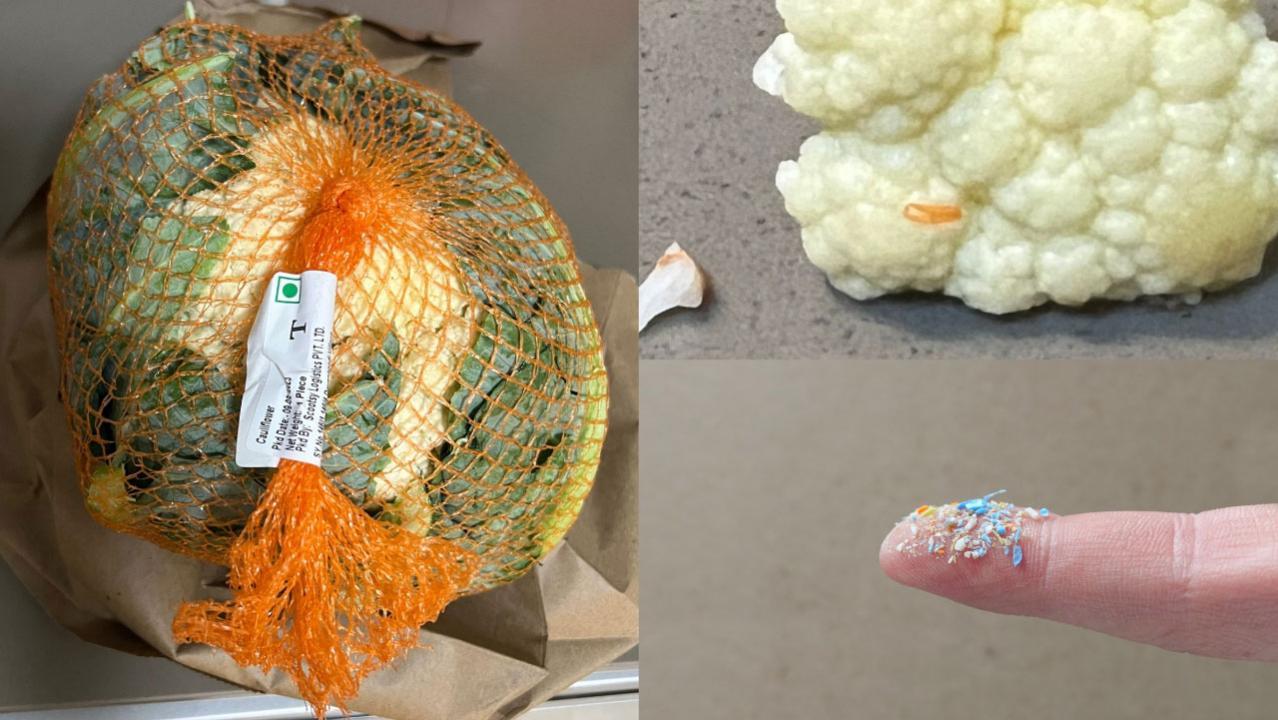
Microplastic can remain active as marine contaminants for hundreds of years. Photo Courtesy: Pariksha Rao/iStock
When Pariksha Rao ordered cauliflower from the instant food delivery app Swiggy, it came wrapped in a nylon mesh. In a bid to unwrap it, she sliced the mesh with a knife. What followed was a tsunami of microplastics floating in the air, sticking to her clothes, the vegetable, and landing in the darkest nooks of the kitchen. In a frenzy, Rao used a vacuum cleaner to wipe off the stubborn microplastics.
To her respite, plastic came off her clothes and the kitchen floor. However, the real horror began when the plastic pieces remained stuck to the cauliflower. All the vacuum suction on the veggie went in vain. No amount of cutting and cleaning could separate the microplastic from the cauliflower. Ultimately, Rao had to dump the vegetable after multiple failed attempts.
Buy now to read the full story.
For any queries please contact us: E-mail: support@mid-day.com
Trending Stories
Latest Photos
Latest Videos
Latest Web Stories
ADVERTISEMENT
Mid-Day Fast
ADVERTISEMENT

ADVERTISEMENT