






Home / Lifestyle / Health & Fitness / Article /
Climate change may raise the risk of infectious diseases: Study
Updated On: 13 September, 2023 11:50 AM IST | London | IANS
The study, compiling results of over 700 research papers and almost half a million observations, bolsters the notion that climate change can alter the risk of succumbing to infectious diseases

Listen to this article :
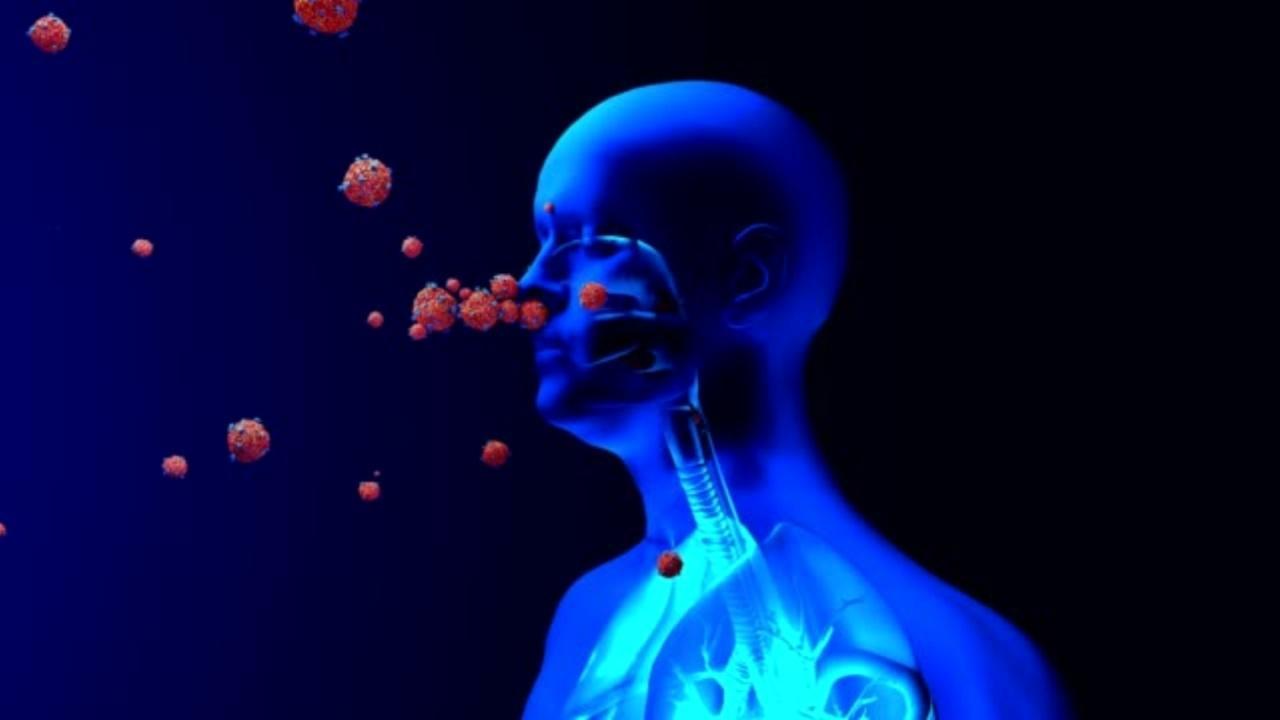
Image for representational purposes only. Photo Courtesy: iStock
Increasing climate change conditions may raise the risk of infectious diseases that can prove deadly to humankind, finds an alarming study. The study, published in the scientific journal Ecography, detailed a Europe-wide investigation on the prevalence of protozoans, bacteria and viruses potentially pathogenic to humans and domestic animals in birds and bats in varying climatic conditions. The prevalence of many of these pathogens was associated with temperature or rainfall.
The new study compiled information on the occurrence of over 75 pathogenic microbes across Europe from almost 400 bird- and 40 bat species. Combining data on occurrence with climatic factors revealed that the occurrence of most pathogens was associated with temperature or rainfall. "In general, the occurrence of pathogenic bacteria increased in areas with a warm and dry climate. On the other hand, pathogenic viruses prefer moist climates," said lead author Yanjie Xu from the Finnish Museum of Natural History, University of Helsinki in Finland.
Trending Stories
Latest Photos
Latest Videos
Latest Web Stories
ADVERTISEMENT
Mid-Day Fast
ADVERTISEMENT

ADVERTISEMENT