






Home / Lifestyle / Health & Fitness / Article /
Blood samples to help predict kidney diseases in type 2 diabetes patients: Study
Updated On: 16 May, 2023 12:40 PM IST | Washington | ANI
There has been significant progress in developing treatments for kidney disease in people with diabetes. However, it can be difficult to assess an individual patient`s risk for developing kidney disease based on clinical factors alone, so determining who is at greatest risk of developing diabetic kidney disease is an important clinical need

Listen to this article :
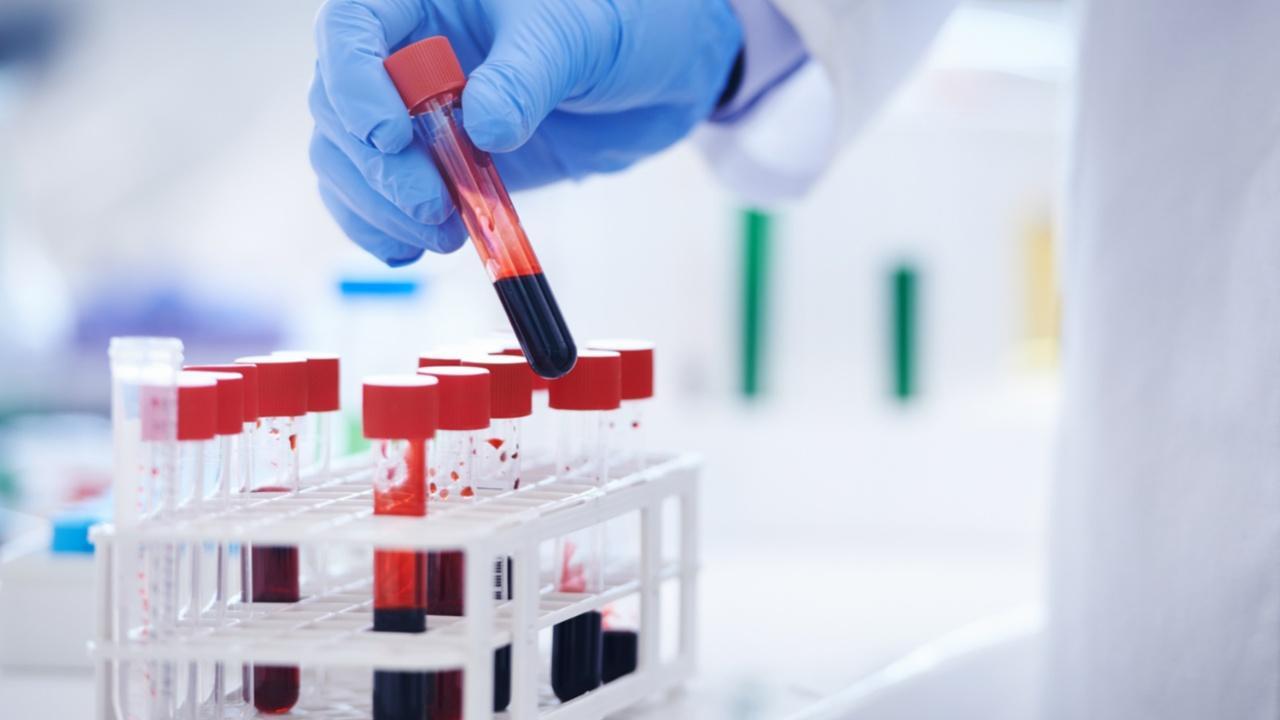
Our computational model can use methylation markers from a blood sample to predict both current kidney function and how the kidneys will function years in the future, which means it could be easily implemented alongside current methods for evaluating a patient`s risk for kidney disease. Photo Courtesy: iStock
In a recent medical development, researchers have developed a conceptual approach to predict whether a person with type 2 diabetes will develop kidney disease. The study was published in the journal, `Nature Communications`. It can help doctors prevent or better manage kidney disease in people with type 2 diabetes.
"This study provides a glimpse into the powerful future of predictive diagnostics," says co-senior author Kevin Yip, Ph.D., a professor and director of Bioinformatics at Sanford Burnham Prebys. "Our team has demonstrated that by combining clinical data with cutting-edge technology, it`s possible to develop computational models to help clinicians optimize the treatment of type 2 diabetes to prevent kidney disease." Diabetes is the leading cause of kidney failure worldwide. In the United States, 44% of cases of end-stage kidney disease and dialysis are due to diabetes. In Asia, this number is 50%.
Read Next Story
Trending Stories
Latest Photos
Latest Videos
Latest Web Stories
ADVERTISEMENT
Mid-Day Fast
ADVERTISEMENT

ADVERTISEMENT