






How zero-waste kitchens are evolving in India
Updated On: 23 February, 2023 05:04 PM IST | New Delhi | IANS
Indian culinary culture has roots in leaf eating at its very ethos. Roots, stems, leaves, flowers, fruit, pods, and seeds are all consumed throughout the plant life cycle. Even peels and stems that would be discarded are used, and what is not edible is turned into compost for the garden

Listen to this article :
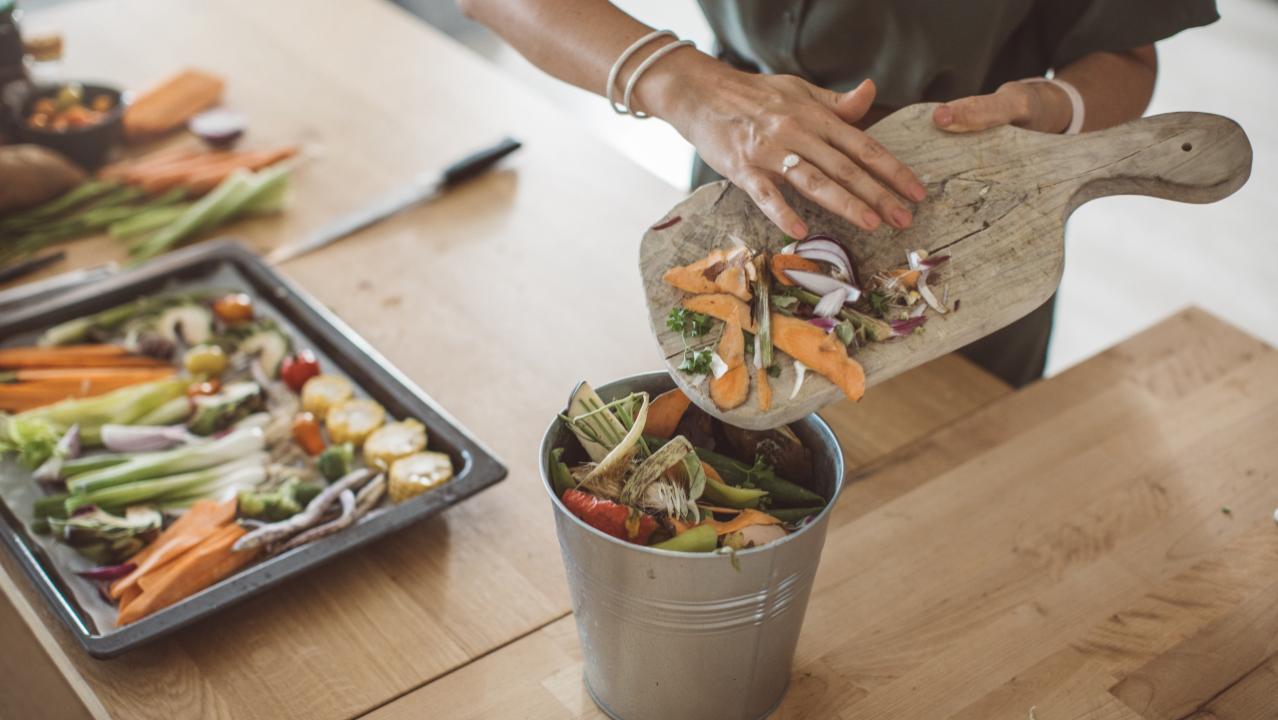
Image for representational purpose only. Photo Courtesy: istock
Eating right is very important and that highlights the need for good nutrition in what we eat every day. The Covid-19 pandemic led to many people entering the kitchen and probably attempting to cook their own food. This is many ways has fuelled the age-old tradition of zero-waste cooking.
Faster lives and economic downturn have impacted cooking patterns, taste preferences, and the nutritive diversity of the Indian diet over the last decade. And chefs, farmers, and experts are particular in pointing out that the onus also lies with consumers who need to be receptive, reflective, and action-oriented in bringing desi vegetables back. "We`ve been hard-wired to crave convenience when we should crave food that is nutritious and better," muses Chef Zacharias, expressing hope that these behaviours may be unlearned.
One area of concern post-pandemic is how socio-economic constraints have skewed diets, especially for those with limited access to nutritive produce. "How can we rationalise the argument of making more vegetables a part of the diet?" says Dr. Pushpesh Pant, eminent food historian. "As recently as three decades ago, five rupees bought five kilos of fresh green peas. Today, they cost more than a hundred! Even people of affluent means watch prices so what do people in lower-income brackets do? The solution according to him may lie in options like the Chandigarh farmer mandis or cooperatives, that bring vegetables to a central location."
Trending Stories
Latest Photos
Latest Videos
Latest Web Stories
ADVERTISEMENT
Mid-Day Fast
ADVERTISEMENT

ADVERTISEMENT