






Have Mumbaikars had the OG shami kebabs?
Updated On: 18 January, 2024 09:30 AM IST | Mumbai | Ainie Rizvi
Like a whispered secret passed down through generations, shami kebab traces its roots back to the ancient lands of Syria. Midday.com raided the kitchens of Mughlai, Turkish and Mediterranean chefs in Mumbai who shed light on the historic origins of this regal delicacy

Listen to this article :
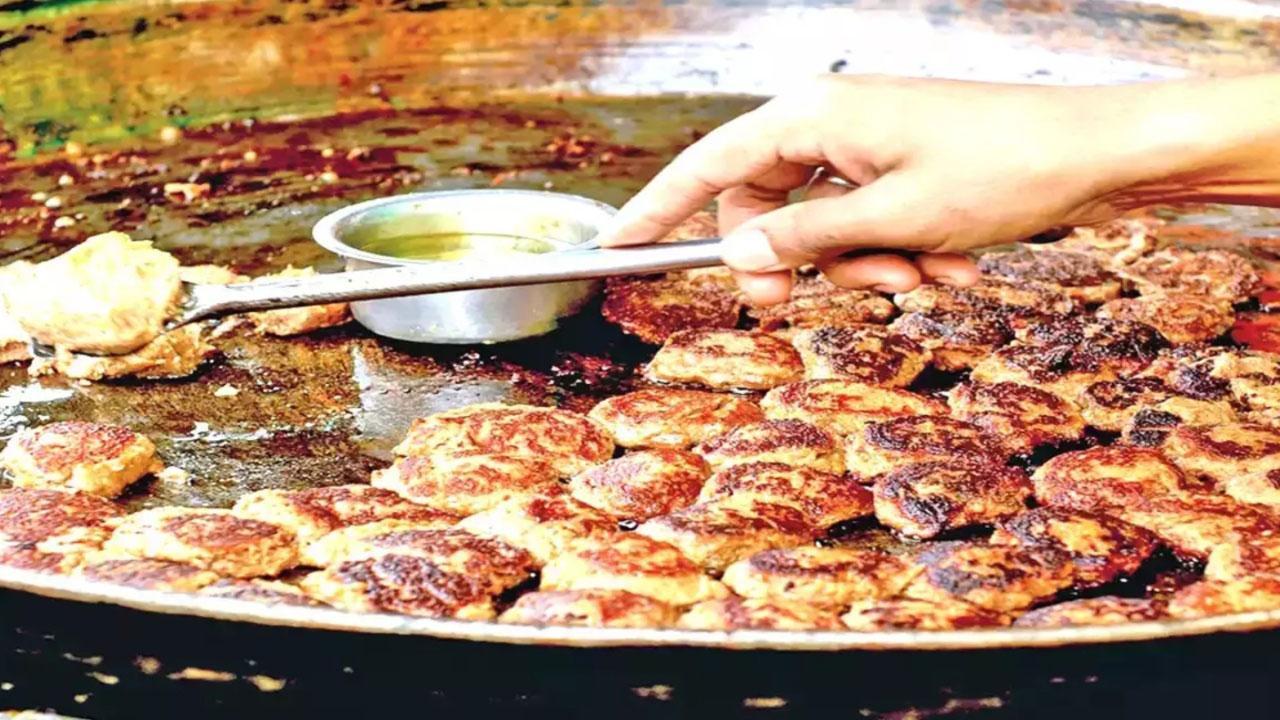
Tundey Kebabs gained popularity in Lucknow due to their incredibly soft texture, attributed to the use of finely minced meat and a special marination process that included raw papaya paste, tenderizing the meat. The Nawabs of Lucknow greatly influenced these kebabs through their preferences for rich, flavourful dishes
Back in the 18th century, the Nawab of Lucknow – Asaf-ud-Daula happened to lose his teeth owing to the woes of old age. Unable to chew, he urged his royal cooks (also known as Khansama’s) to prepare meat cutlets that required minimal effort to chew.
What followed was the invention of mouth-melting, spice-infused galawati kebabs that left an indelible mark on India`s culinary heritage. While the Tundey kebabs from the bylanes of Lucknow and Seekh kebabs from Old Delhi are revered across the globe, the kebabs offered in Mumbai have emerged as an archetype.
Buy now to read the full story.
For any queries please contact us: E-mail: support@mid-day.com
Trending Stories
Latest Photos
Latest Videos
Latest Web Stories
ADVERTISEMENT
Mid-Day Fast
ADVERTISEMENT

ADVERTISEMENT