






Celebrating India’s royal kitchens one pop-up at a time
Updated On: 13 August, 2024 11:16 AM IST | Mumbai | Nascimento Pinto
At a time when global cuisine has reached our doorstep, Indian restaurants and hotels are celebrating royal kitchens of India through unique experiences that are making people curious

Listen to this article :
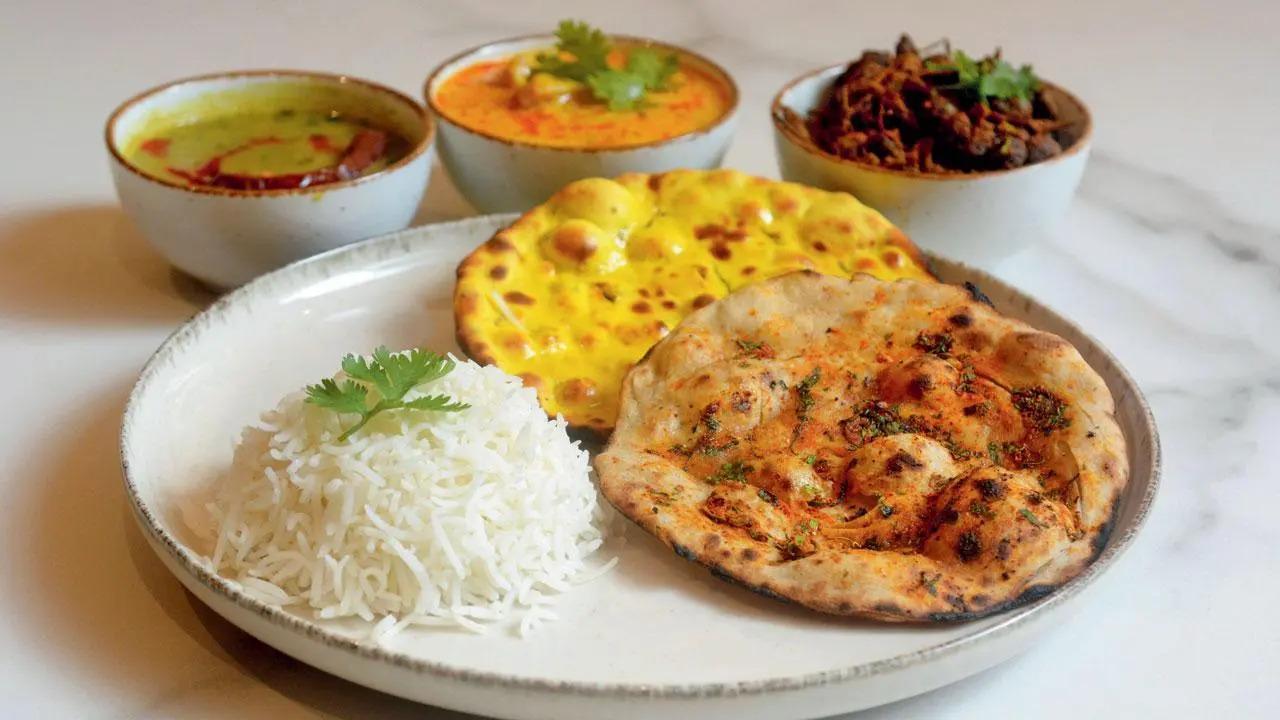
Representational Image
In June 2024, chef Arun Kumar at Araiya Palampur hosted a Sikh Royal Kitchen food pop-up to share and celebrate the rich culinary heritage of the Sikh tradition. The royal kitchens of Patiala, he adds, were famous for their Mughal-inspired cuisine, which was influenced by the culinary traditions of the Mughal Empire. He explains, “The royal kitchens of Patiala were established during the reign of Maharaja Bhupinder Singh (1891-1938), who was known for his love for food and hospitality. The royal family had a long tradition of hosting grand feasts and banquets, and the royal kitchens were designed to cater to the demands of these lavish gatherings."
Mughlai food is one of the many popular cuisines that India boasts of today even after so many years. As India celebrates Independence Day on August 15, the country’s food is unique in many ways and one of them has to be the richness of the royal kitchens. At a time when pop-up kitchens are becoming really popular every other week with people coming from all over the world, there is a section that caters to the Indian palate that revels in the richness of the food eaten by India’s royalty.
Showcasing the royal house of Patiala
Having closely worked and researched on the pop-up, Kumar says the chefs in the royal kitchens were trained in the art of cooking elaborate dishes. Beyond the classic biryani, he explains, "There are dishes such as Dum Pukht, which is a slow-cooked rice dish cooked in a sealed pot with aromatic spices and herbs. The Tandoori is also a part of the cuisine, as it is a traditional north Indian method of cooking meat or vegetables in a clay oven, known as a tandoor. Beyond that, kebabs with skewers of marinated meat cooked over an open flame. Lastly, the halwa being a rich and creamy dessert made with semolina, sugar, and ghee." Additionally, the Royal Kitchens were known for specialities such as the Shahi tukda, Patiala`s famous lassi and Golgappas too.
Like every other royal kitchen in India, the Sikh royal kitchen was a grand feast that was influenced by it`s culture. "The royal kitchens, particularly from the era of Maharaja Ranjit Singh, were known for their rich and diverse offerings. The cuisine was influenced by the various regions and cultures within the empire, blending local ingredients with elaborate cooking techniques. Meals in Sikh royal kitchens were grand affairs, often involving multiple courses and large communal servings. This tradition reflects the hospitality and generosity of the Sikh culture."
But which ingredients really made their feasts so grand? Kumar says, "The use of ghee (clarified butter) is a staple in Sikh royal cooking. It adds a distinctive richness and depth of flavor to many dishes. The use of a range of spices such as cardamom, cloves, cinnamon, and black pepper are commonly used. They are often toasted and ground fresh for maximum flavour. The royal kitchen also used saffron in various dishes, particularly in rice and sweet preparations, for its colour and aroma. The abundant use of dry fruits like almonds, cashews, and raisins are used to add texture and sweetness to both savoury and sweet dishes." Last but not the least, the royal kitchens use paneer, adding a rich and creamy texture. The cuisine of the royal kitchen would be incomplete without legumes and lentils and fresh herbs too.
Lack of knowledge about royal kitchens
While Sikh cuisine, especially from the broader Punjabi region, is well-known, Kumar says the specific dishes and traditions from the Sikh royal kitchens are less widely recognised. Kumar explains, "The unique historical and cultural aspects of these royal kitchens, such as their elaborate feasts and distinctive cooking methods, are not as familiar to the public. Efforts like pop-ups and festivals help to showcase and educate people about this niche aspect of Sikh culinary heritage, but broader awareness is still growing."
Even as the royal kitchens are appearing through pop-ups, Kumar says the food from the royal kitchens of Patiala are unique in more than one way. "The food of a Sikh royal kitchen, particularly the Patiala royal kitchen, is distinct from other royal kitchens in India due to its unique blend of traditional Punjabi cuisine, Mughal influences, and the royal family`s own culinary traditions.
Buy now to read the full story.
For any queries please contact us: E-mail: support@mid-day.com
Trending Stories
Latest Photos
Latest Videos
Latest Web Stories
ADVERTISEMENT
Mid-Day Fast
ADVERTISEMENT

ADVERTISEMENT