






Reshaping fashion’s DNA: Sustainability as a long-term commitment, not a fad
Updated On: 29 December, 2023 08:02 AM IST | New Delhi | IANS
Sustainability in fashion extends beyond ecological considerations; it encompasses ethical and social dimensions as well

Listen to this article :
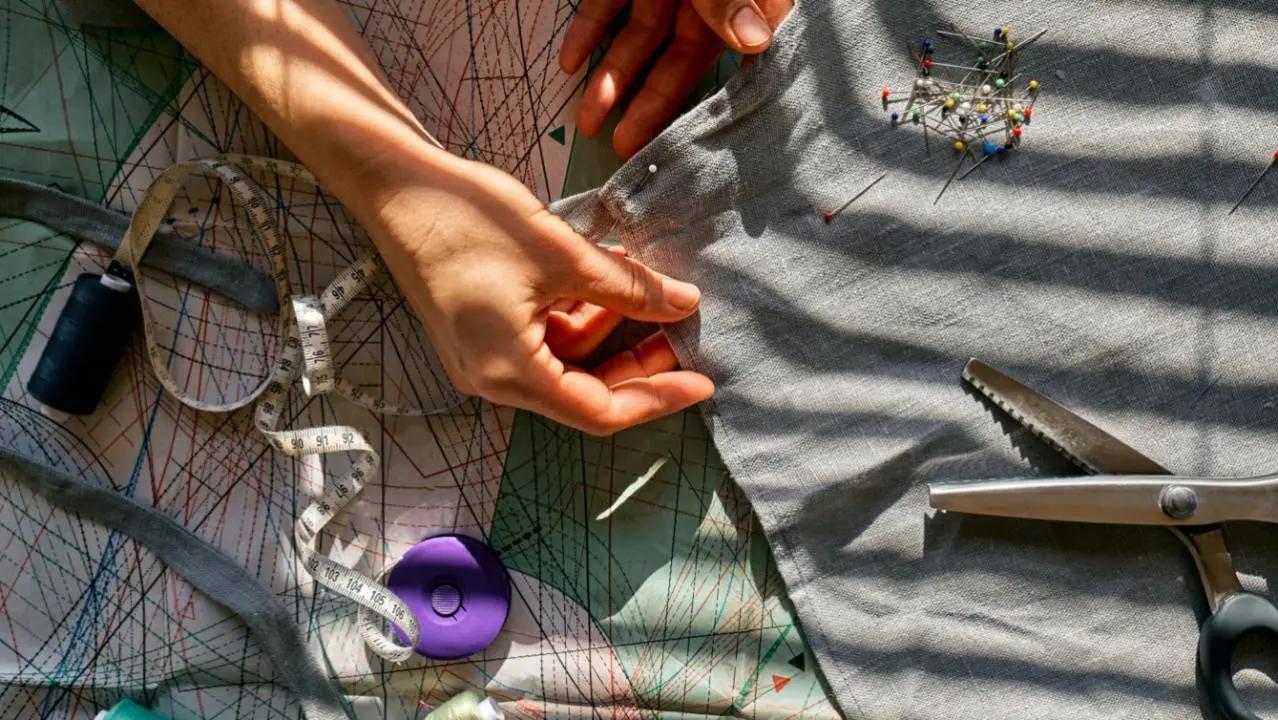
Image for representational purposes only. Photo Courtesy: iStock
In the ever-evolving landscape of the fashion industry, the need for sustainability has emerged as a clarion call for change. Across the world, there has been a dynamic shift in consumer awareness, government policies and industry practices that underscore the pressing necessity of integrating sustainability into the very fabric of fashion. In a world where trends change faster than seasons, it is crucial to recognise that the imperative for sustainability in fashion is not a fleeting trend but a fundamental shift towards a more responsible and ethical future.
The fashion industry contributes significantly to the global economy, with a value of more than $2.5 trillion and employing close to 300 million people worldwide. While the past couple of decades have seen the accelerated growth of the fast fashion industry, increasing attention has also been brought to the wide range of its negative environmental and social impact. Fashion production makes up 8-10 per cent of humanity`s carbon emissions, more than five trillion litre of water is used for fabric dyeing alone, more than 8,000 chemicals are used to turn raw materials into clothing, an equivalent of one garbage truck full of clothes is burned or dumped in a landfill every second and 500,000 tons of microfibers are released into the ocean each year from washing clothes. The environmental toll exacted by the fashion industry is staggering, with fast fashion contributing to climate change, environmental pollution, natural resource and biodiversity depletion, and an alarming increase in textile waste.
Trending Stories
Latest Photos
Latest Videos
Latest Web Stories
ADVERTISEMENT
Mid-Day Fast
ADVERTISEMENT

ADVERTISEMENT