


Muharram 2024: Muslims mark Ashura with traditional mourning rituals
Updated On: 17 July, 2024 01:23 PM IST | Ainie Rizvi
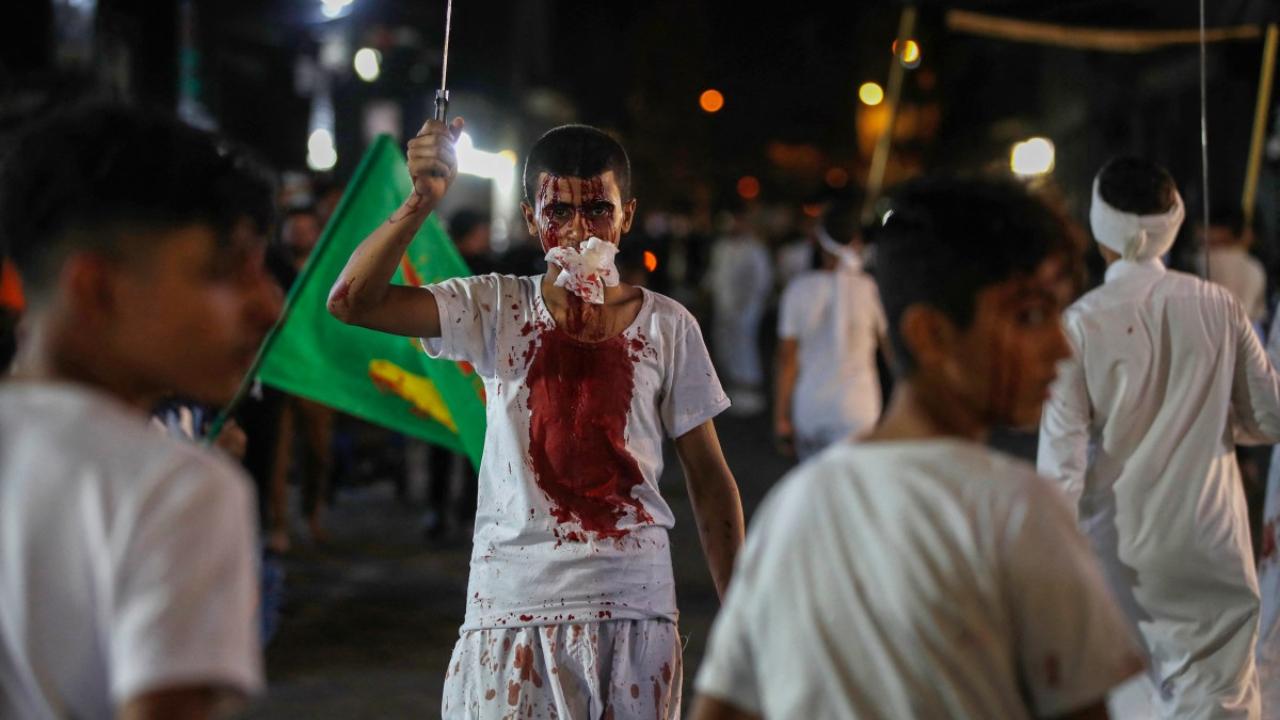
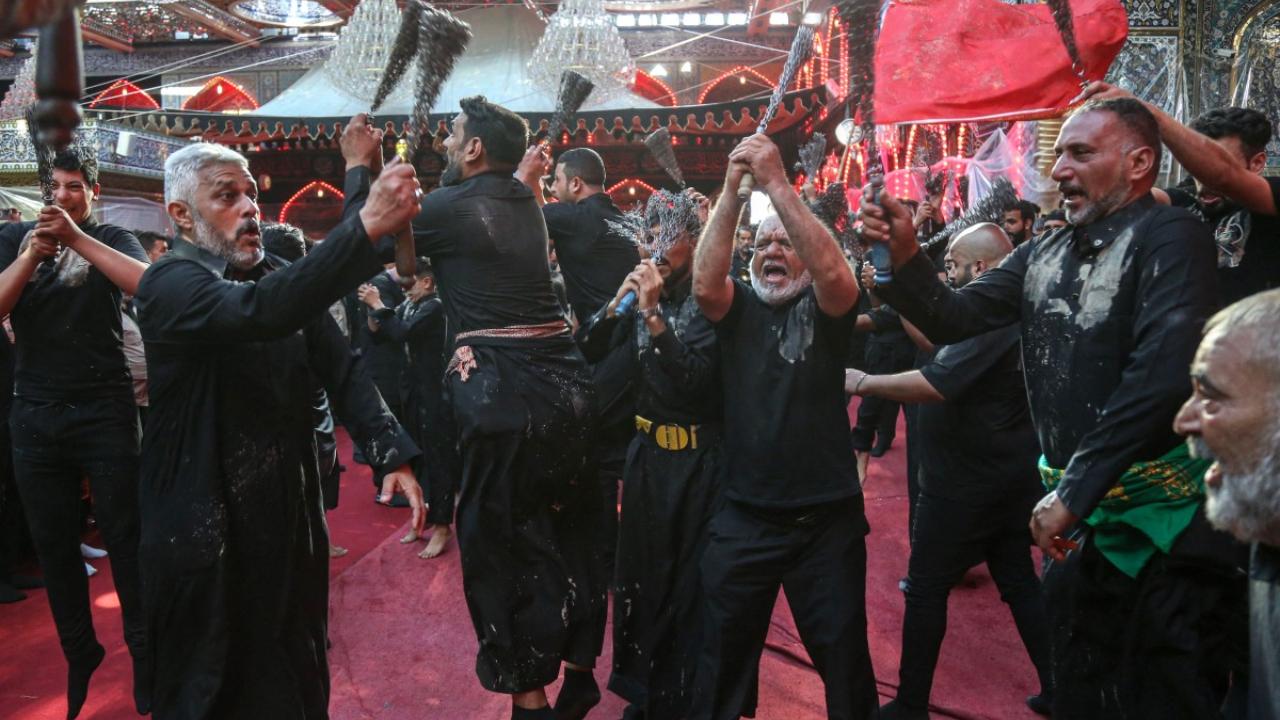
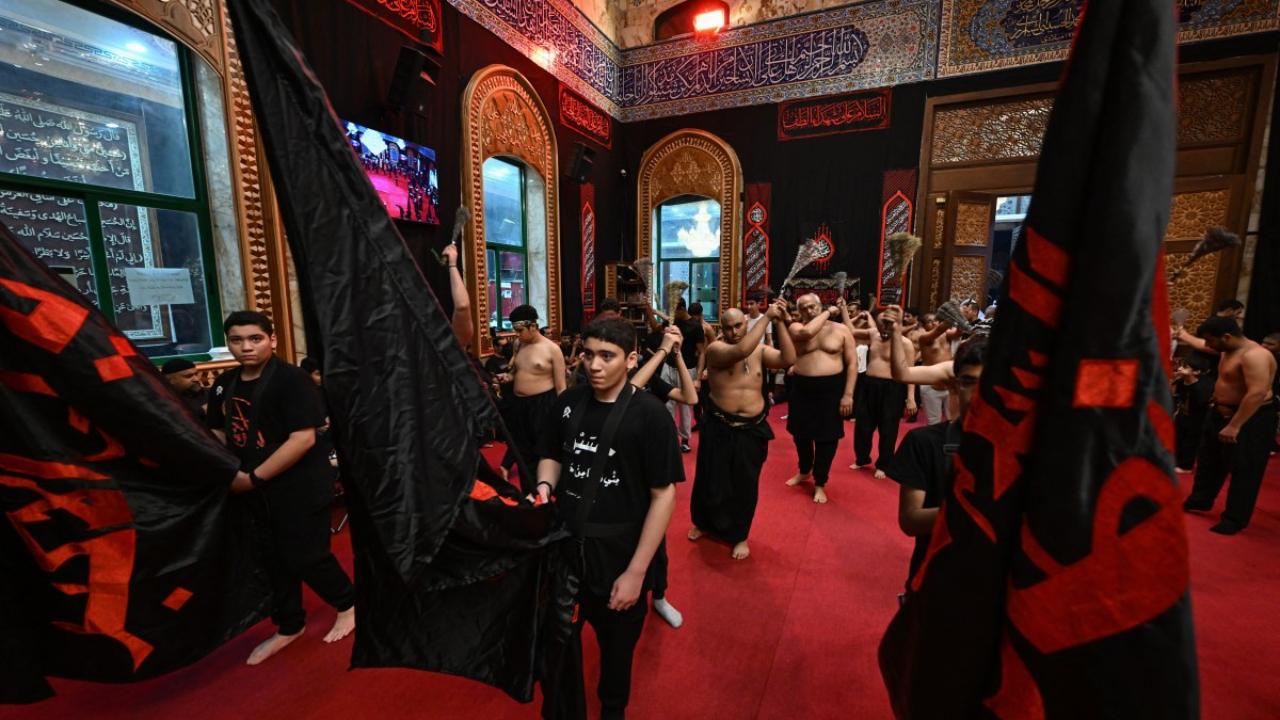
Graphic Content | Ashura observed on the 10th day of Muharram, marks a significant mourning period for Muslims, particularly within the Shia community. The day commemorates the martyrdom of Prophet Muhammad’s grandson, Imam Hussein, who was killed in the Battle of Karbala in 680 CE. The period holds deep historical and religious significance as it symbolises the struggle against tyranny and injustice. Pics/AFP


1/14
Graphic Content | Ashura observed on the 10th day of Muharram, marks a significant mourning period for Muslims, particularly within the Shia community. The day commemorates the martyrdom of Prophet Muhammad’s grandson, Imam Hussein, who was killed in the Battle of Karbala in 680 CE. The period holds deep historical and religious significance as it symbolises the struggle against tyranny and injustice. Pics/AFP
2/14
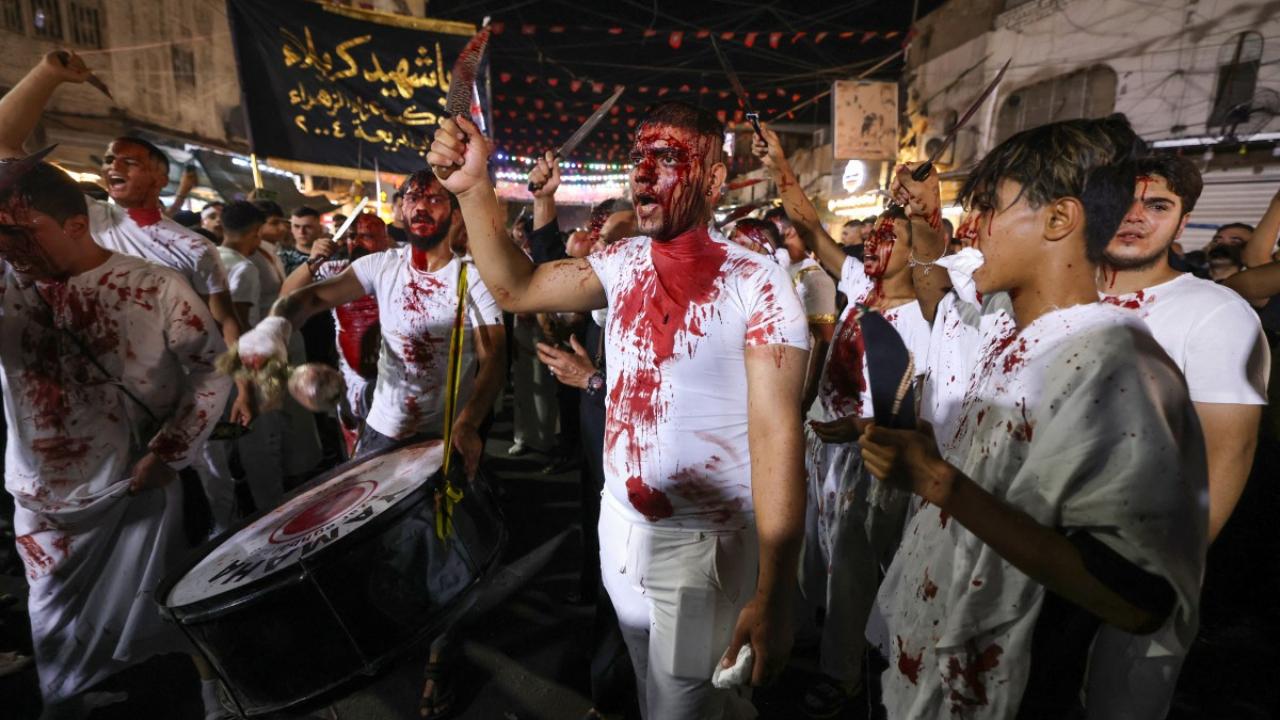
The ten-day period leading up to Ashura is marked by a series of rituals and ceremonies, including recitations of elegies lamenting the dead, reenactments of the battle and public processions carrying `taziya`
ADVERTISEMENT
3/14
These rituals serve to evoke the sorrow and suffering of Imam Hussein and his companions. Hussein was killed by the forces of Yazid ibn Muawiya, the Umayyad caliph, in the Battle of Karbala in 680 CE
4/14
The conflict arose from Hussein`s refusal to pledge allegiance to Yazid, whom he viewed as an illegitimate and tyrannical ruler who deviated from the true principles of Islam established by Prophet Muhammad
ADVERTISEMENT
5/14
Hussein`s stance was driven by a commitment to justice and the preservation of Islamic values. Yazid, seeking to consolidate his authority and eliminate any opposition, ordered an army to confront Hussein and his small band of followers
6/14
The resulting battle on the plains of Karbala culminated in the brutal killing of Hussein, along with his family members and supporters, an event that has since been deeply mourned and commemorated, especially within the Shia Muslim community
ADVERTISEMENT
7/14
The religious aspects of Ashura are rooted in the principles of sacrifice, resistance and piety. For Shia Muslims, Imam Hussein`s stand at Karbala is viewed as a profound act of faith and defiance against oppression
8/14
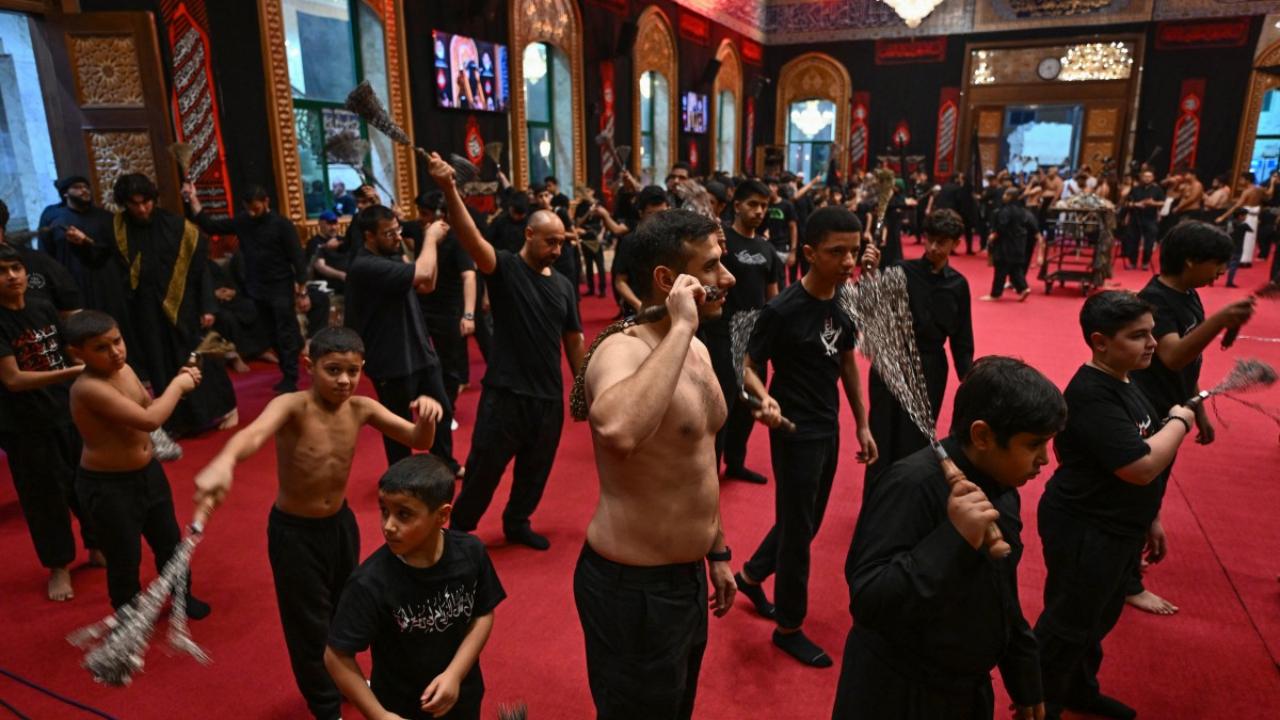
In Photo: Shiite Muslims take part in a traditional mourning ritual during Ashura in Kuwait City
ADVERTISEMENT
9/14
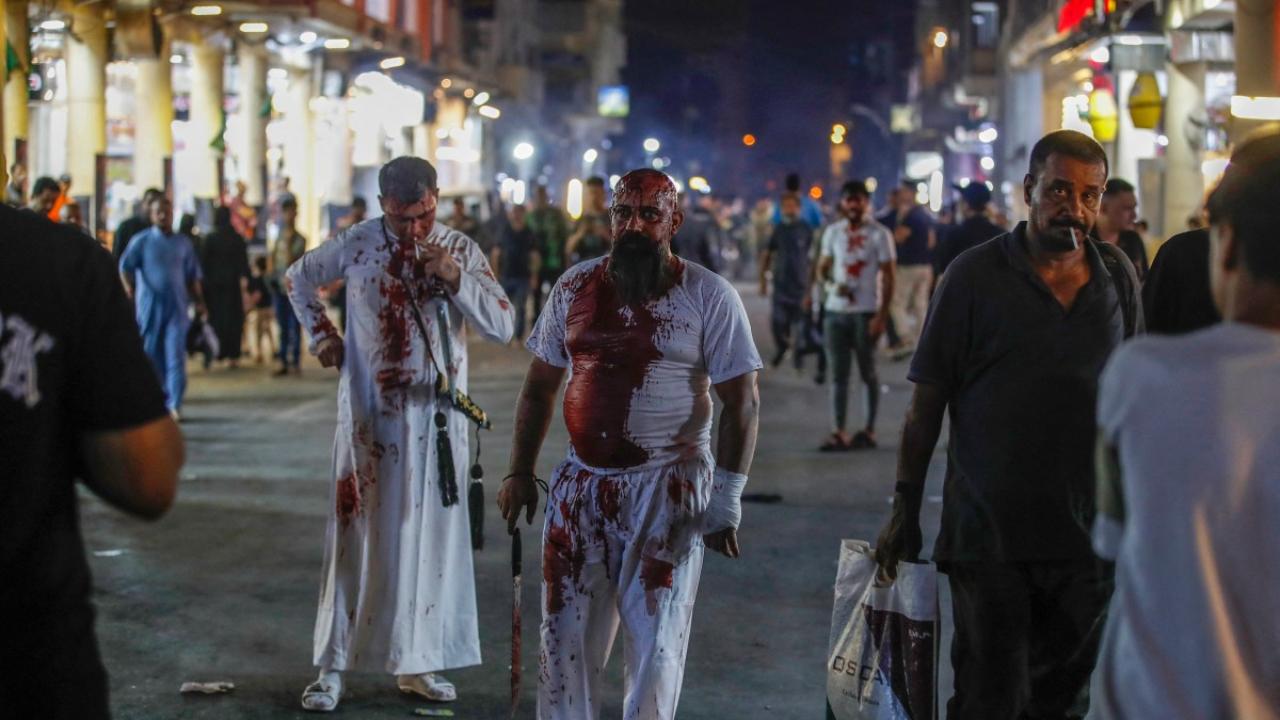
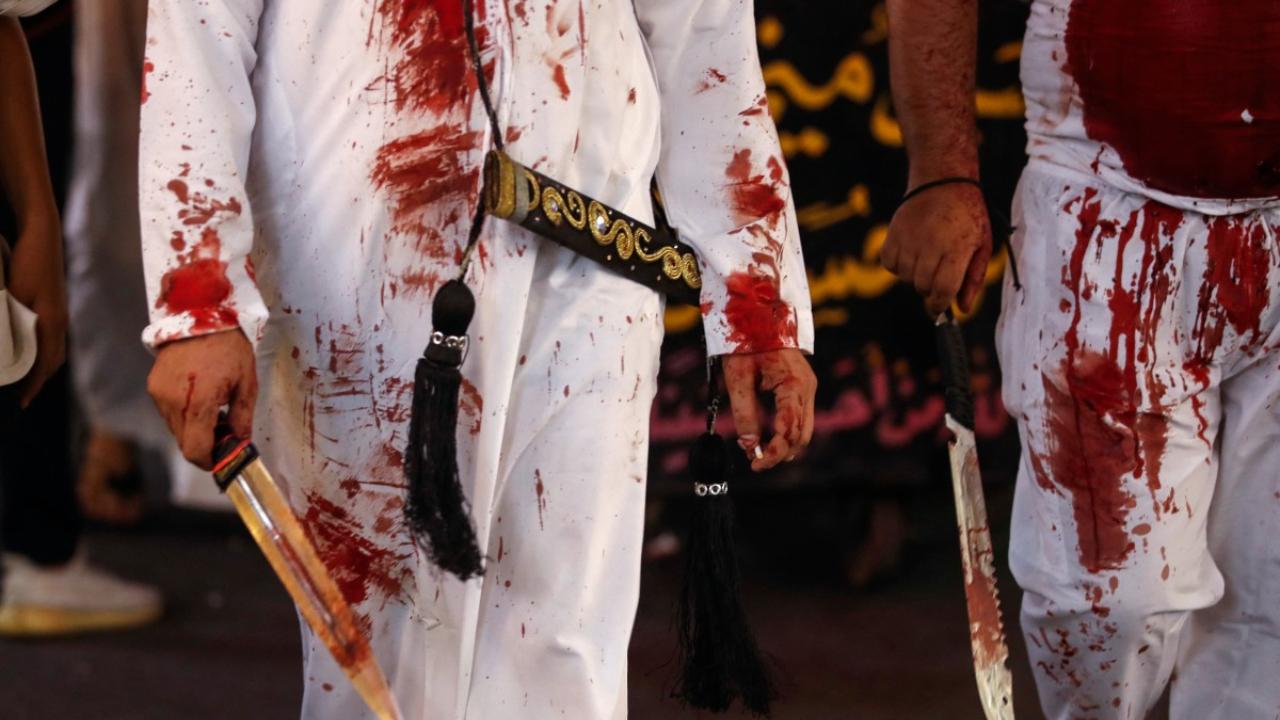
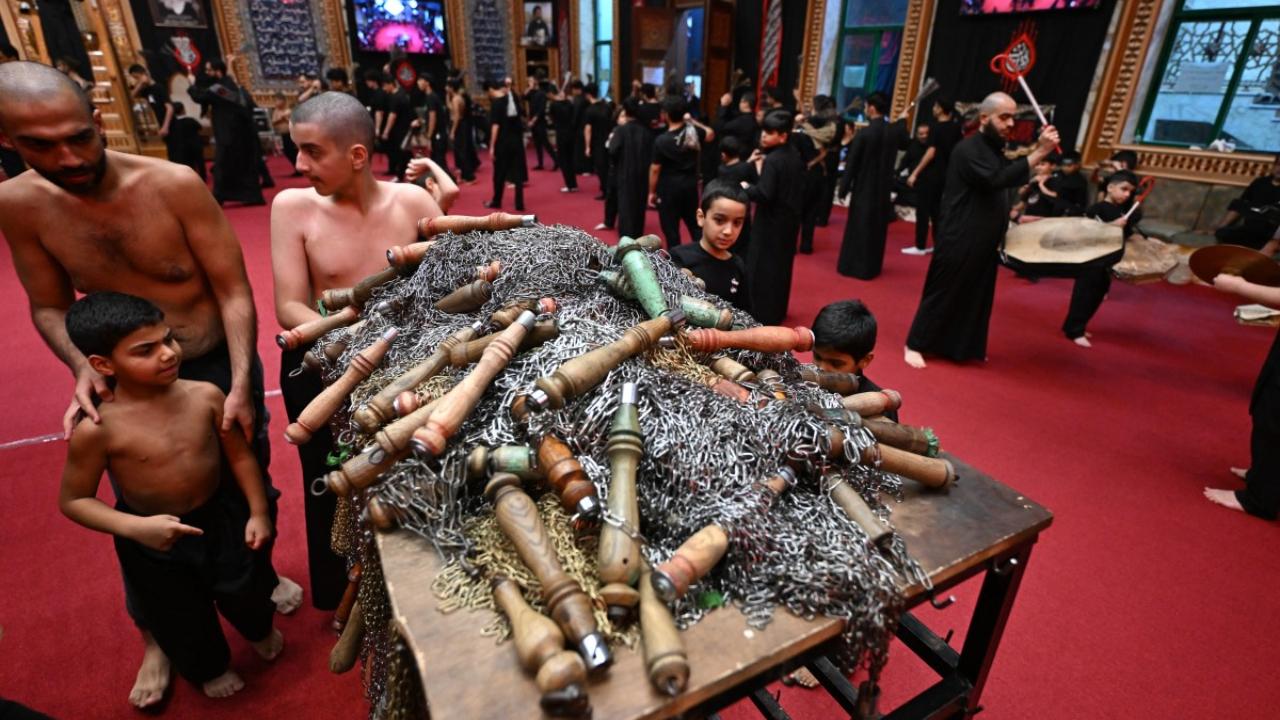
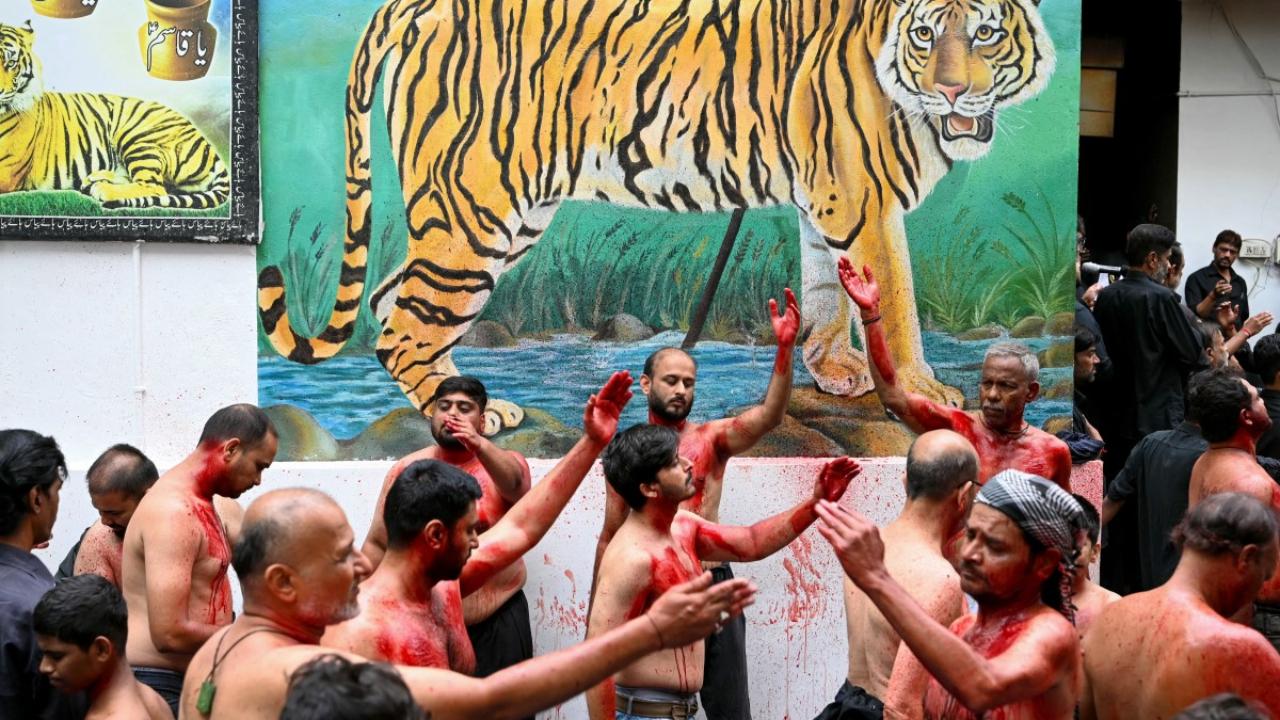
The mourning practices during Ashura include the retelling of tragic events, self-flagellation and bloodletting, though the latter practices vary in intensity and form across different communities
10/14
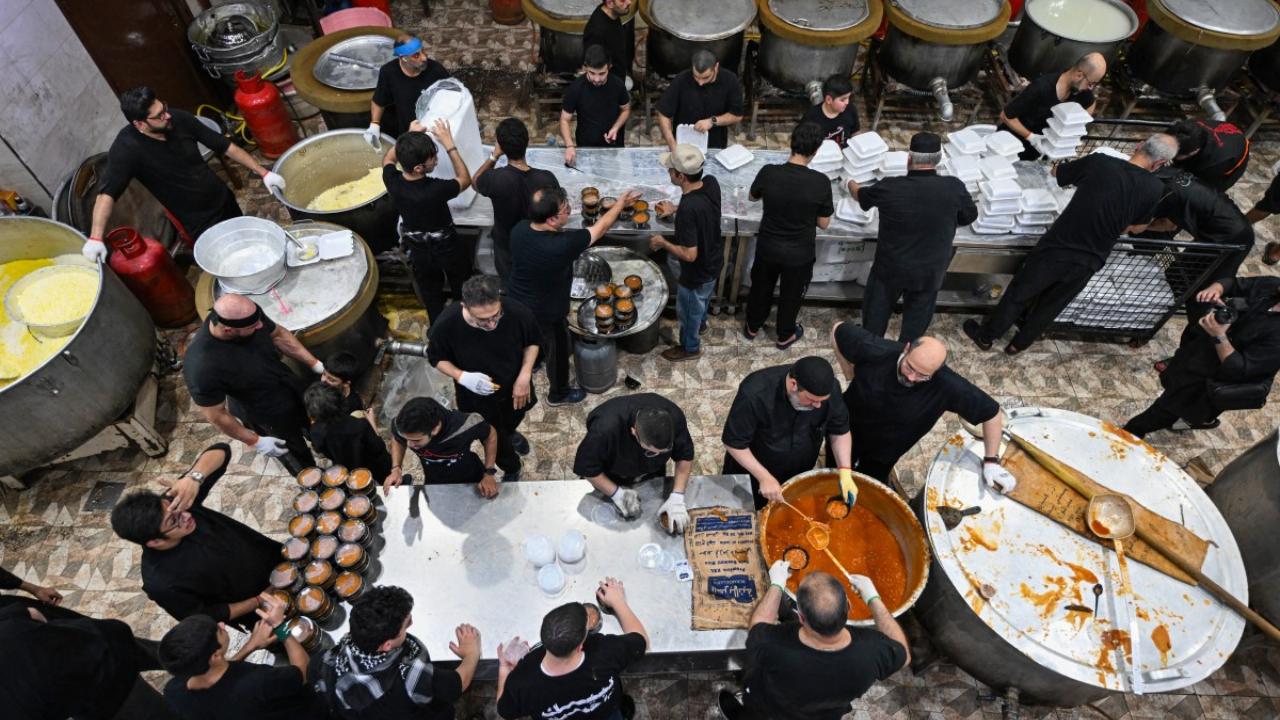
In Photo: Volunteers prepare meals for Shiite Muslims taking part in a traditional mourning ritual during Ashura in Kuwait City on July 16, 2024
ADVERTISEMENT
11/14
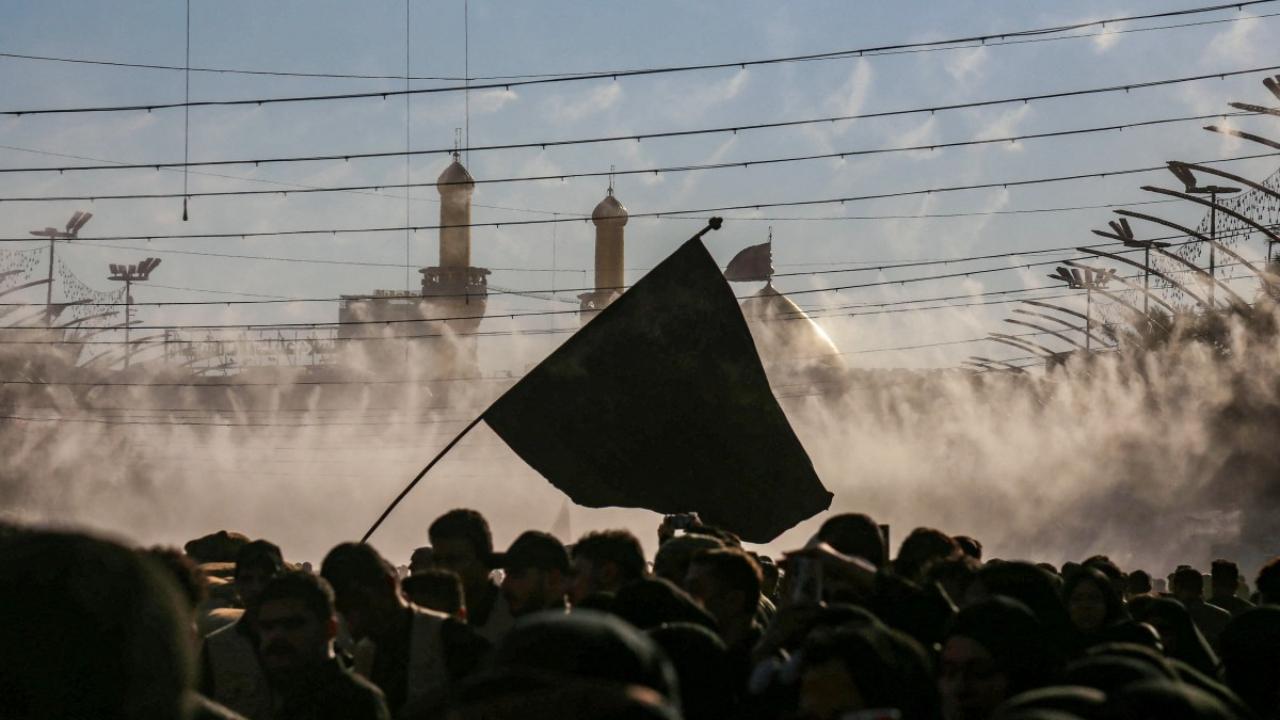
In Photo: Shiite Muslim devotees attend a ritual near the shrine of Imam Hussein in Iraq`s holy city of Karbala during Ashura
12/14
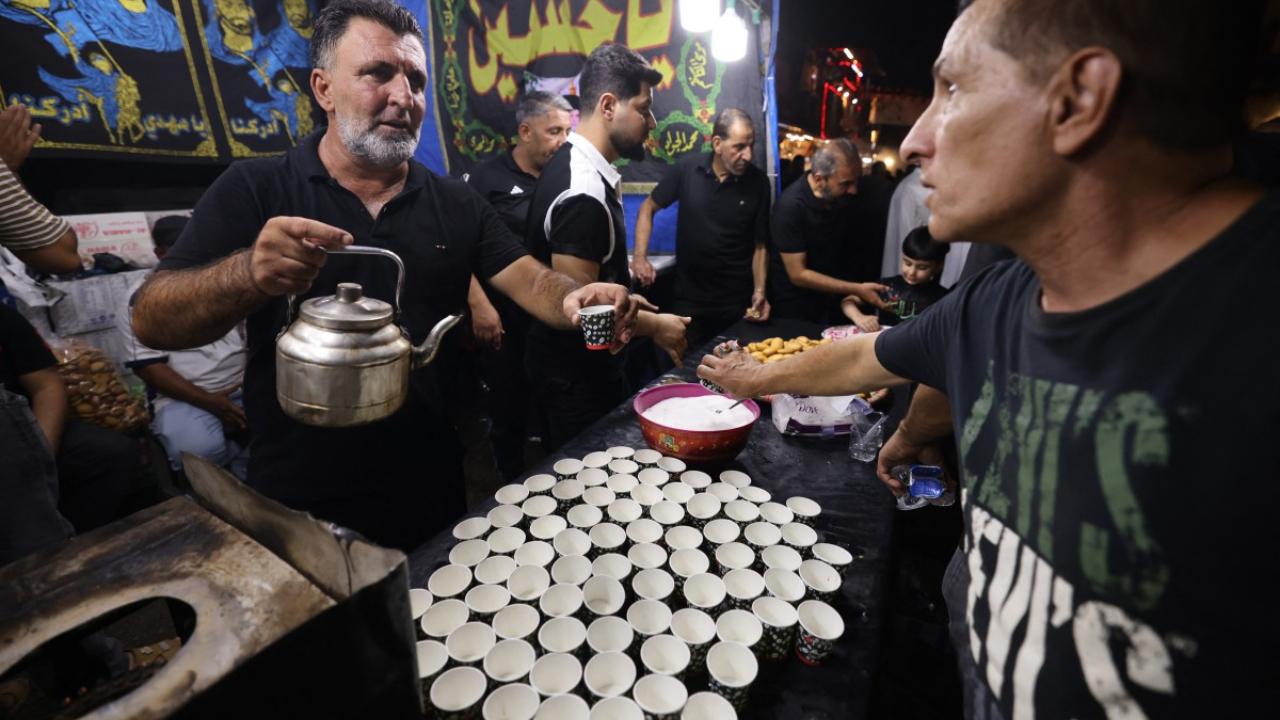
In Photo: A volunteer distributes tea while Shiite Muslims take part in mourning rituals during Ashura on Al-Kifah Street in central Baghdad on July 16, 2024
ADVERTISEMENT
13/14
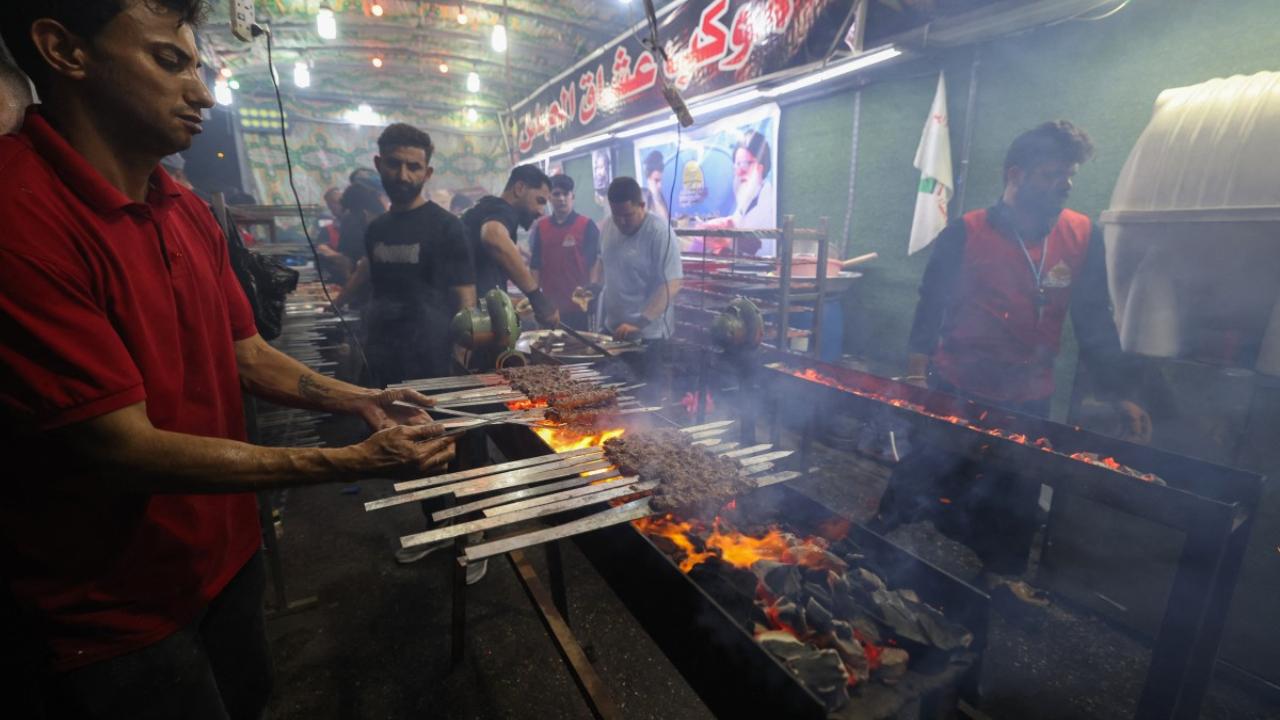
During Ashura, Muslims often prepare and distribute a special meal known as "niyaz" as an act of charity and communal sharing. This meal typically includes a variety of dishes such as rice, lentils, stewed meats and sweets like halwa
14/14
In Photo: Shiite Muslims flagellate themselves to mark Ashura in Hyderabad on July 17, 2024. (Photo by NOAH SEELAM/AFP)
ADVERTISEMENT
ADVERTISEMENT
Photo of Day
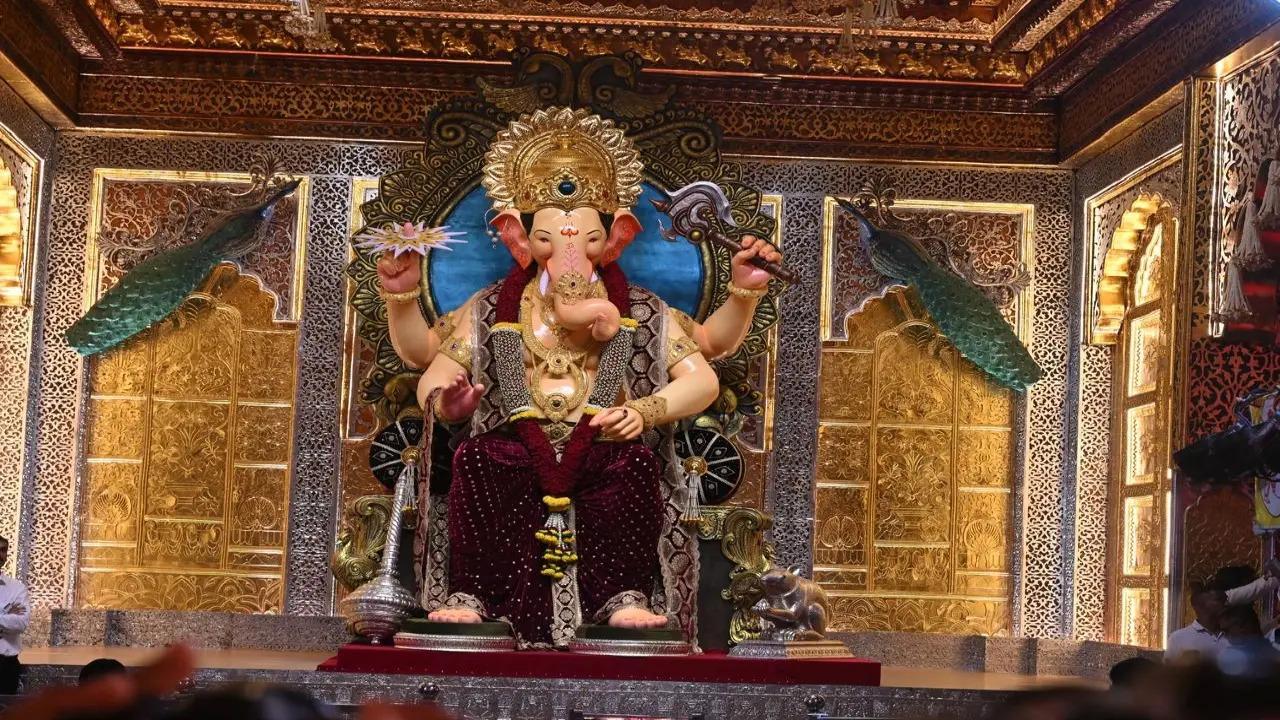
High tidal waves in Mumbai delay Lalbaugcha Raja`s visarjan
The iconic Lalbaugcha Raja idol was shifted onto a raft on Sunday afternoon after delays since morning due to high tide and technical challenges, with final immersion, delayed by several hours, expected to take place around 11 pm, officials said.
ADVERTISEMENT