






How are Mumbai institutions preserving intangible cultural heritage
Updated On: 18 April, 2024 10:18 AM IST | Mumbai | Maitrai Agarwal
Mumbai is home to countless organisations that offer diverse forms of cultural engagements. On World Heritage Day, experts talk to us about preserving intangible cultural heritage, commodification of culture, and more

Listen to this article :
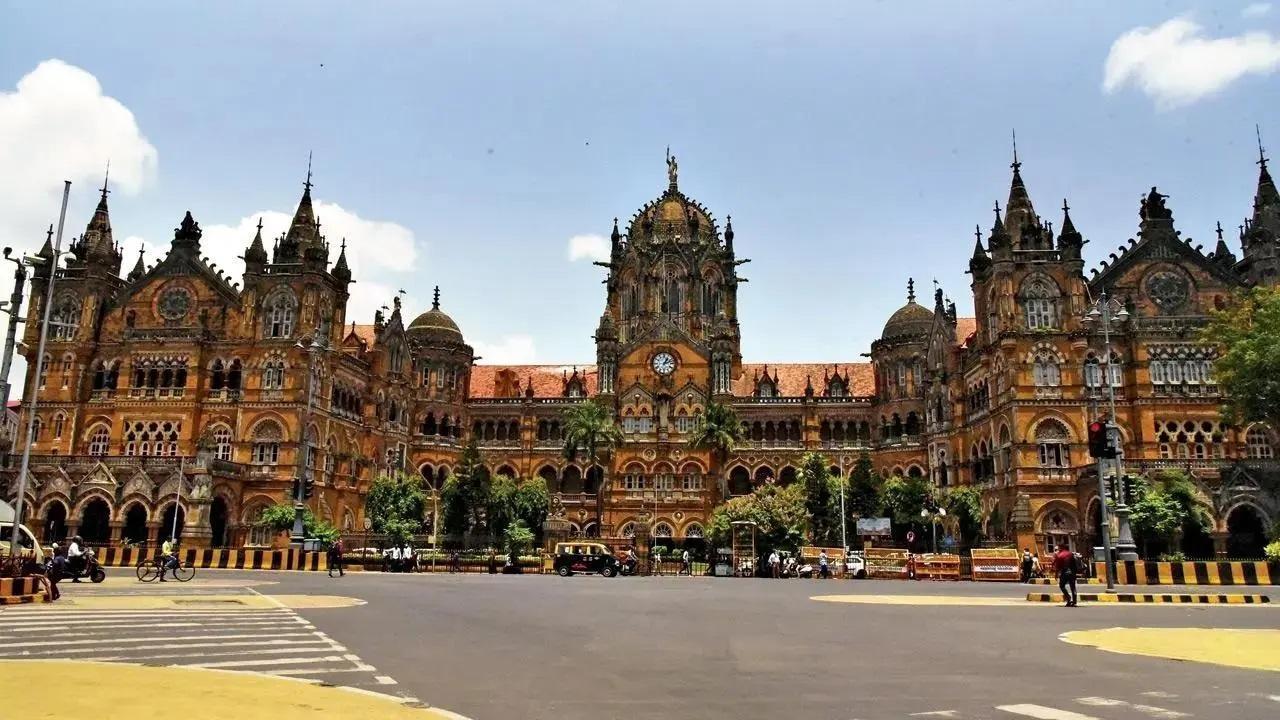
Every year, World Heritage Day is observed on April 18. Image for representational purpose only. Photo Courtesy: istock
Intangible cultural heritage or living heritage refers to the practices, traditions, customs, and knowledge that are passed down from generation to generation within communities. It encompasses various aspects of culture that cannot be physically touched or seen, such as music, dance, oral traditions, rituals, and festivals. These forms of heritage are an essential part of the identity of communities and contributes to their sense of belonging. They are also essential for preserving cultural diversity, promoting social cohesion through intercultural dialogue. Due to its inherently fragile nature, it requires safeguarding to ensure its continuity for future generations. On World Heritage Day, we spoke to experts from organisations offering diverse cultural engagements to understand how they are promoting and preserving living heritage.
We work to enrich heritage through local dialogue and cross-pollination
“We believe that intangible heritage plays a vital role in the cultural ecosystem, and we work hard to enrich it through local dialogue and cross-pollination with other cultures. We collaborate with local historians, intellectuals, and international scholars to promote and celebrate India`s diverse culture and heritage,” says Asad Lalljee, SVP, Essar Group and CEO of Avid Learning.
Buy now to read the full story.
For any queries please contact us: E-mail: support@mid-day.com
Trending Stories
Latest Photos
Latest Videos
Latest Web Stories
ADVERTISEMENT
Mid-Day Fast
ADVERTISEMENT

ADVERTISEMENT