






Study reveals factors behind children's shyness and its meaning
Updated On: 26 April, 2023 02:17 PM IST | Washington | ANI
The results revealed that while a wider percentage of children may occasionally experience shyness as an emotional state, temperamental shyness may exist in a different group of children over time

Listen to this article :
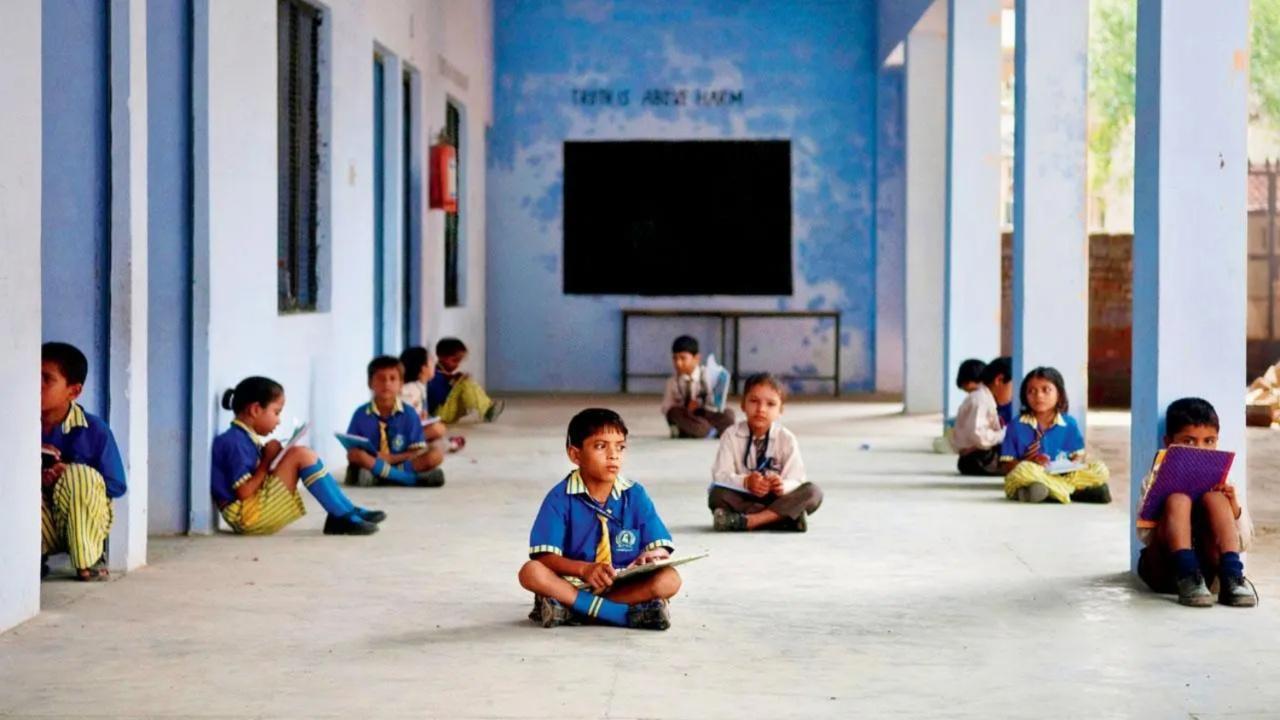
Image for representational purposes only. Photo Courtesy: iStock
Describe shyness. According to research, shyness is characterised by dread and anxiety in the face of social novelty and/or social judgement. Although behavioural, affective, and physiological manifestations of shyness might occur, little is known about how these elements interact.
According to long-standing beliefs, temperamental shyness is a term that can be used to conceptualise shyness as a feature that is largely consistent throughout development. Shyness can also be thought of as a feeling experienced in a particular social setting; this concept is known as state shyness. Researchers at McMaster University in Canada recently published a study in Child Development that looked at a child`s behavioural, affective, and physiological reactions to a speech task in order to better understand shyness in kids. The results revealed that while a wider percentage of children may occasionally experience shyness as an emotional state, temperamental shyness may exist in a different group of children over time.
Trending Stories
Latest Photos
Latest Videos
Latest Web Stories
ADVERTISEMENT
Mid-Day Fast
ADVERTISEMENT

ADVERTISEMENT