






No mandate to hold centre accountable: SC lawyer on same-sex marriage verdict
Updated On: 24 October, 2023 07:55 AM IST | Mumbai | Aakanksha Ahire
The Supreme Court`s verdict on same-sex marriage has stirred a wide range of reactions. Although the apex court has issued specific directives for the government to address, both legal experts and same-sex couples are questioning its potential effectiveness

Listen to this article :
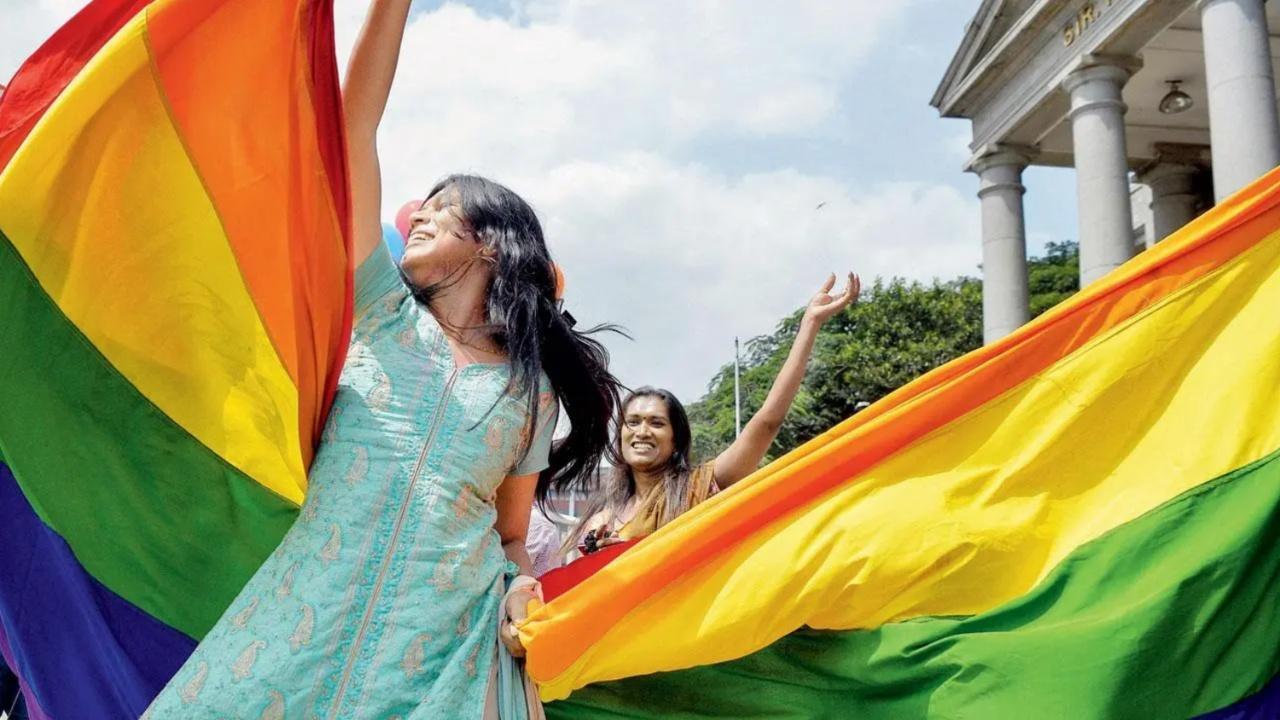
Queer couples will be entitled to all those rights that heterosexual unmarried couples have. Photo Courtesy: iStock
The Supreme Court’s verdict on same-sex marriage in India has received mixed reactions from the LGBTQIA+ community. The onus is now on the Parliament to decide if the unions of queer couples can be legally recognised. While some see it as a complete disappointment and feel let down by the upholders of justice, some also see it as a positive step towards achieving their rights.
This said, there still remains a considerable amount of confusion looming in the air regarding the rights refused and granted to the queer community. Many believe, the right to union granted by the apex court, is a big step towards inclusivity, but what needs to be understood is why the legal right to marry plays a significant role for queer couples.
Mid-day Online spoke to 25-year-old Muskan Tibrewala, a Supreme Court lawyer and 35-year-old Ashish Srivastava, an IT professional working as a senior manager at a shipping firm and a member of the queer community to understand the complexities of the verdict.
The significance of the legal right to marry
Tibrewala, one of the lawyers for the petitioners of the case, tells us why the legalisation of marriage for same-sex couples is significant. Heterosexual (a person attracted to someone of the opposite sex) married couples are entitled to certain rights that accrue from a marriage.
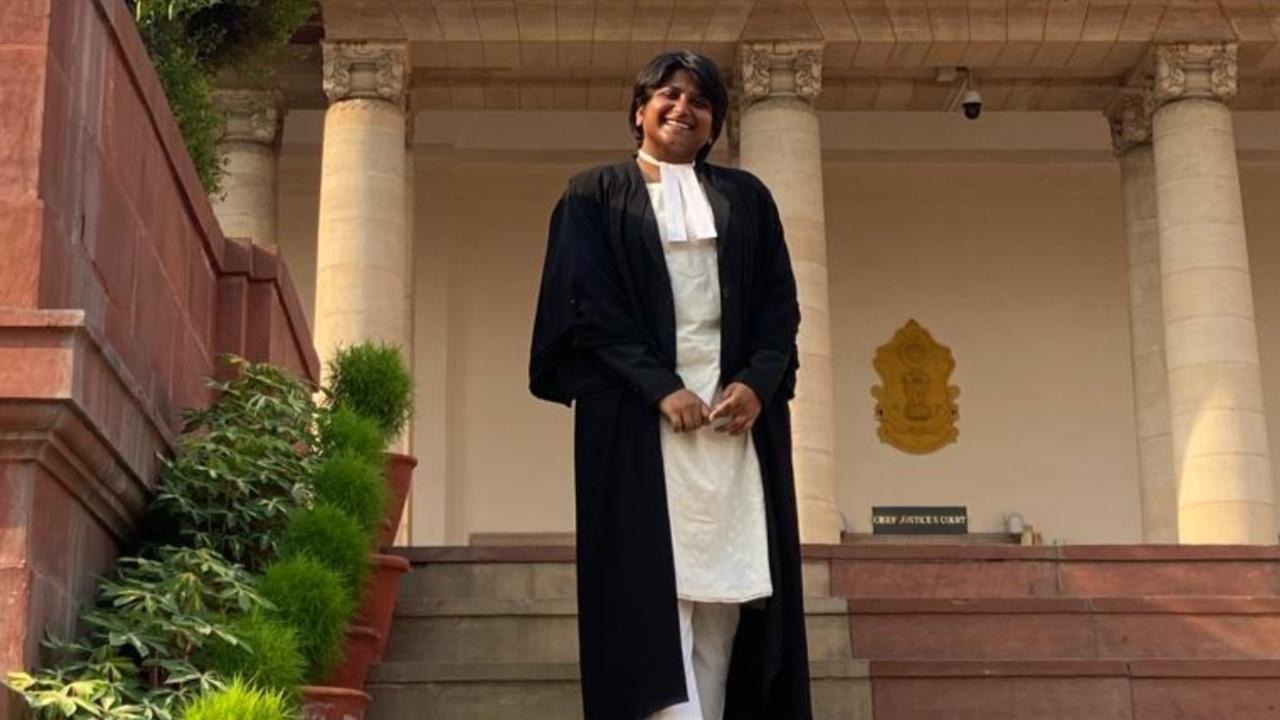
In Photo: Supreme Court lawyer Muskan Tibrewala
For example, in a heterosexual union, if a married person were to die at the workplace, then his partner and children would naturally be recognised as his dependents under the law. Yet another example could be having the legal right to keep their married partner as a nominee in their provident fund. Heterosexual married couples also have the right to jointly own a property and adopt a child.
Since queer couples have been denied the legal recognition of marriage, these rights, granted to heterosexual married couples, won’t be given to them.
For queer couples in India, the lack of these basic rights is felt in their day-to-day life. Srivastava, a resident of Mumbai had to face the ugly side of this during the Covid-19 pandemic when his partner, Inder Vhatwar, tested positive. He says, “The doctors insisted on speaking to his family members only. They said I was just a friend and that they needed his family to discuss his medical condition. It made me feel upset and a little humiliated that in spite of being his husband, I was not being considered. Eventually, we managed to convince the medical staff.”
This was not the only time when the couple faced an issue. They had to face challenges when trying to jointly purchase an apartment in Mumbai. “We had a tough time buying a house together since banks were refusing to give joint loans to us. It was a big mess.”
“This,” Srivastava says, “makes legalising same-sex marriage important for us.” “We are not asking for any special rights but the basic equal rights. Legalising same-sex marriage will help us get the subsequent benefits every heterosexual married individual already has,” he adds.
Srivastava has been in a loving relationship with his partner, Inder Vhatwar, for the past 11 years. Vhatwar is a 42-year-old entrepreneur and LGBTQIA+ activist who has been creating a safe space for community members since 2010.
Buy now to read the full story.
For any queries please contact us: E-mail: support@mid-day.com
Trending Stories
Latest Photos
Latest Videos
Latest Web Stories
ADVERTISEMENT
Mid-Day Fast
ADVERTISEMENT

ADVERTISEMENT