






National Pet Day: Nutritional tips for your dogs and cats during summer
Updated On: 11 April, 2023 01:45 PM IST | Mumbai | Maitrai Agarwal
Diet modification to adapt to seasonal changes isn’t just for humans. Expert in animal nutrition outlines the changes experienced by our pets during the summer season and shares tips to fulfill nutritional requirements and cope with the scorching heat

Listen to this article :
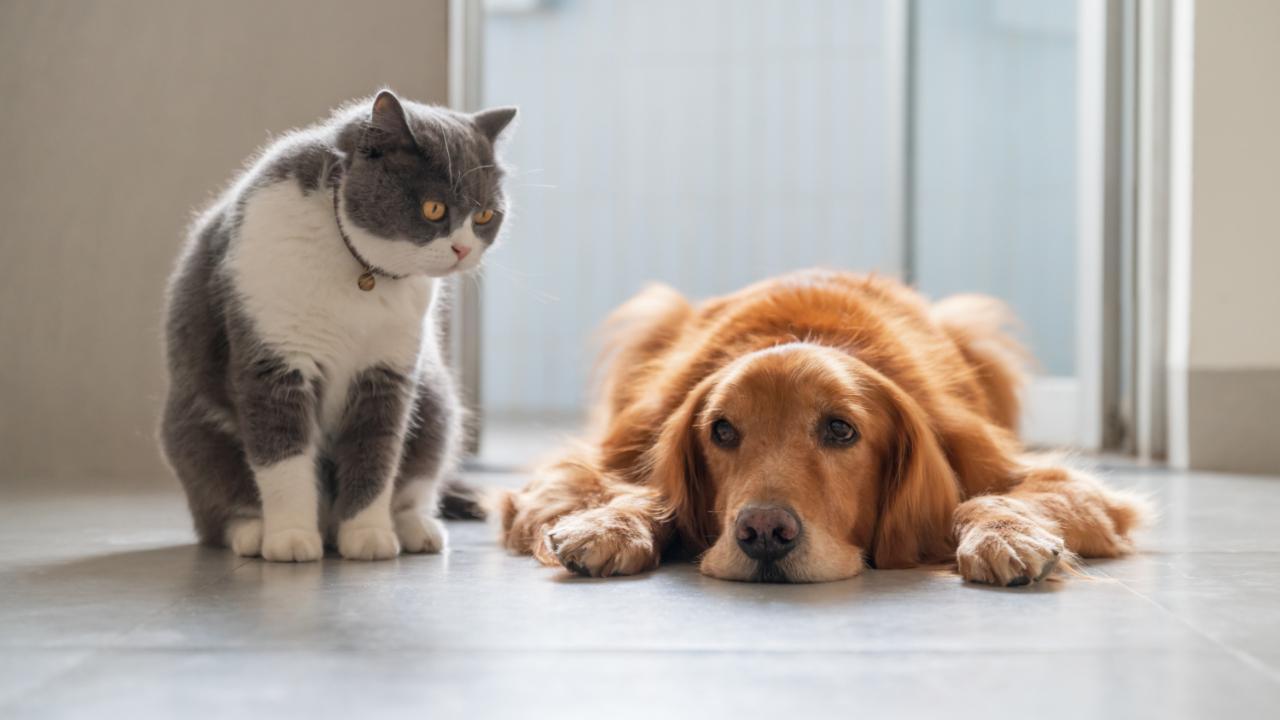
Each year, April 11 is marked as National Pet Day. Image Courtesy: iStock
Whether it is due to increased temperatures, fluctuations in exercise patterns, or calorie intake, our appetite gets impacted during the summer season, and the same thing happens to our furry friends as well. “There is limited research available on variations in dog appetite based on the seasons. However, studies conducted by English and French researchers found that appetite decreases during summer,” says Dr Punith G, MVSc and animal nutrition, assistant product and techno-commercial manager at Drools Pet Food.
The expert tells us that the behaviour of our pets is closely tied to their caloric intake. Dogs or cats during the summer sleep more and prefer cooler areas. When pets are less active, their energy requirement also goes down. He explains, “An adult dog requires around 130 kcal energy per kg metabolic body weight, and cats require consumption of 100 kcal energy per kg metabolic weight. This energy requirement will usually go down in summer because of the less work they perform in summer. Pet parents can adopt small changes like cooling the room by using air coolers. This will help bring down the temperature by 2 to 4 degrees, which will help maintain their appetite.”
Buy now to read the full story.
For any queries please contact us: E-mail: support@mid-day.com
Read Next Story
Trending Stories
Latest Photos
Latest Videos
Latest Web Stories
ADVERTISEMENT
Mid-Day Fast
ADVERTISEMENT

ADVERTISEMENT