






Home / Entertainment / Bollywood News / Article /
Sanjana Sanghi supports the United Nations' Right To Play
Updated On: 15 July, 2021 08:38 AM IST | Mumbai | mid-day online correspondent
Sanjana talked about how being allowed to play benefited her studies and the negative effect parents turning play into competition, or seeing it as unimportant, had on her fellow students

Listen to this article :
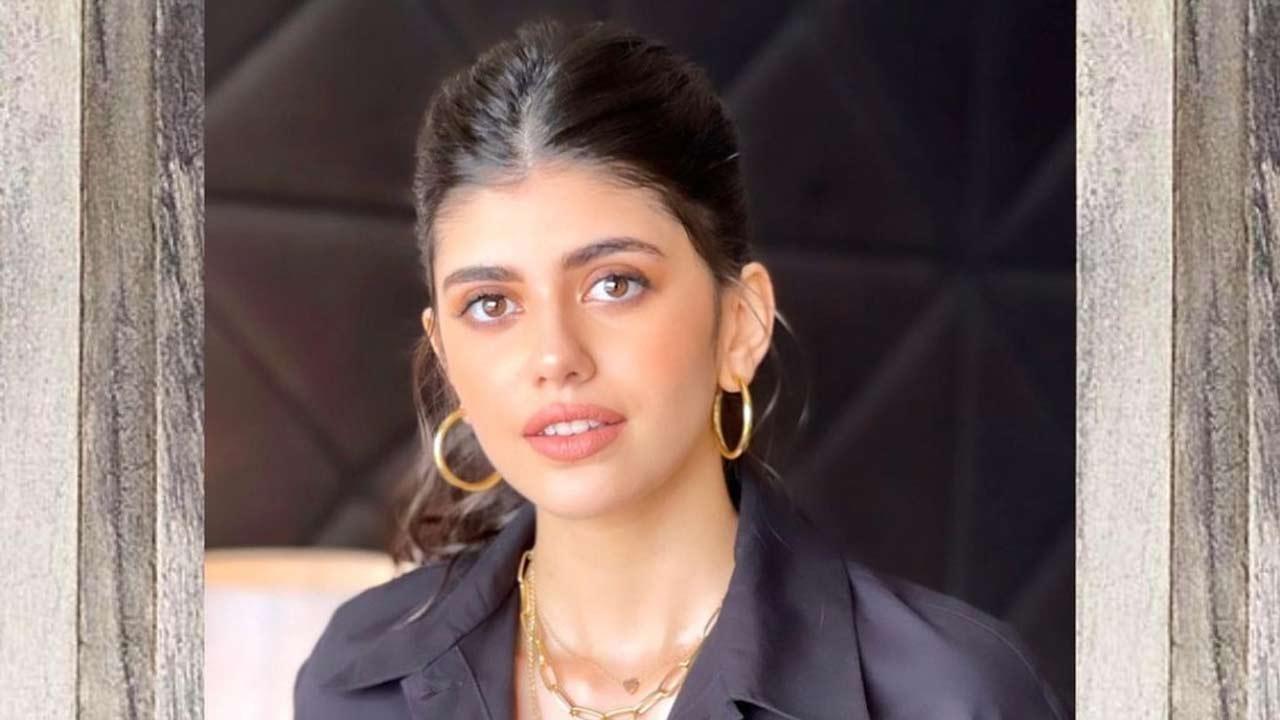
Sanjana Sanghi. Picture courtesy/PR
Sanjana Sanghi gave a powerful message about why the UN’s Human Right to Play is important and the dangers of overlooking it. Sanjana said, “The Right to Play is the most human of human rights. It instantly touches upon the most basic, yet the most forgotten aspect of what is important to us. I`ve benefited from being able to dwell and indulge in a cultural and artistic life beyond the realms of what we`re meant to do academically and I wouldn`t be even 10 per cent of where I am as an adult today if it weren`t for those experiences.”
Sanjana talked about how being allowed to play benefited her studies and the negative effect parents turning play into the competition, or seeing it as unimportant, had on her fellow students, “I agree with the UN’s statement about India facing a problem of overly structured schedules and academic targets that are so pressurizing. Many of the children I`ve been working with don`t get the chance to even discover their creative side - that they have a voice that makes them sound melodious. Nobody`s ever urged them to discover that voice. It makes you realise, when you take the pressure off and allowing The Right to Play by truly implementing it in an institution - that`s the only way I was able to study and also be a Kathak dancer or learn jazz or be a debater. For India, that`s where the problem is at - the confidence, the faith to let children engage in play without adult control doesn`t exist enough to let them.”
Trending Stories
Latest Photos
Latest Videos
Latest Web Stories
ADVERTISEMENT
Mid-Day Fast
ADVERTISEMENT

ADVERTISEMENT