






Home / Entertainment / Bollywood News / Article /
AI influencers: Sara zamaana talks about Zara
Updated On: 26 July, 2024 09:00 AM IST | Mumbai | Sonia Lulla
Entrepreneur Choudhry created his own virtual ambassador Zara, when he couldn’t afford to rope in actor Sara Ali Khan. As Zara emerged as a finalist at an AI beauty pageant, Choudhry decodes her creation and the future of AI influencers
Listen to this article :
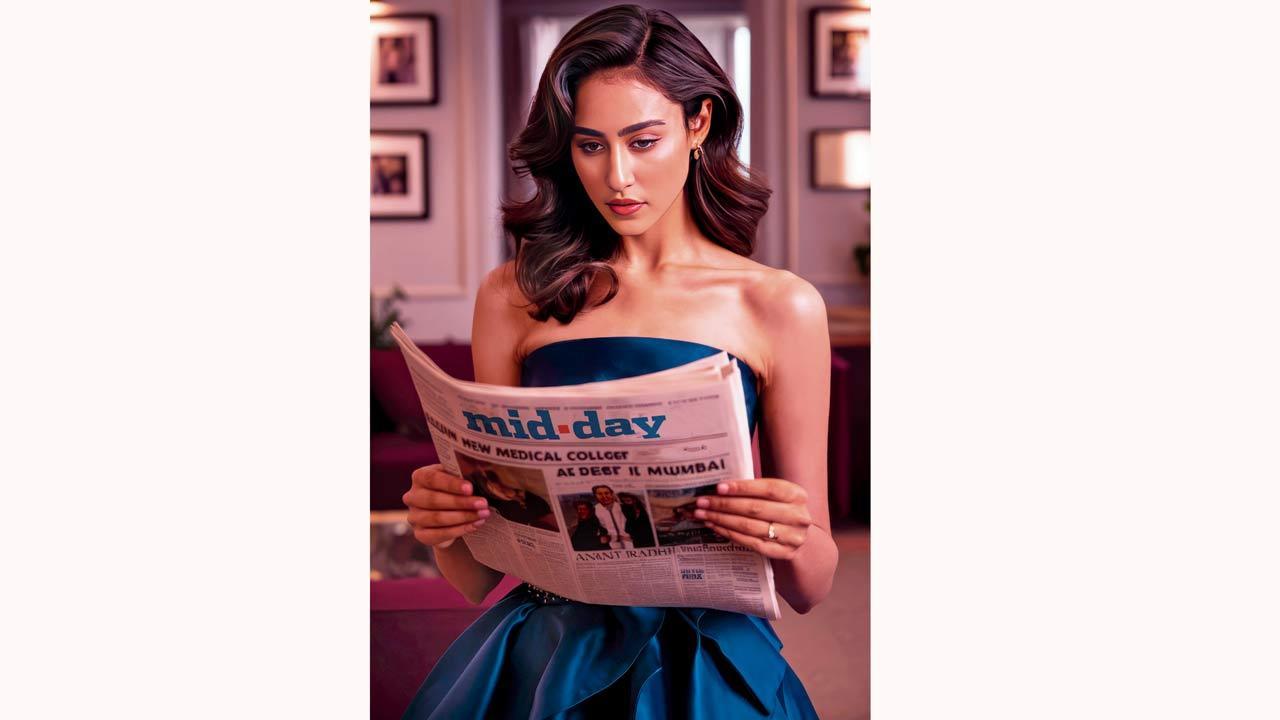
Designer Rahul Choudhry employed Midjourney and Photoshop to create an image of the virtual influencer for mid-day
When entrepreneur Rahul Choudhry launched his pharmaceutical company in 2020, he faced a challenge that most start-up owners do—finding an ambassador who would be a natural fit for his products. His first choice was actor Sara Ali Khan. “She has publicly spoken about her hormonal imbalance issues, which made her [the best] fit for our pharmaceutical company. We were advocating wellness, after all,” he recalls. But roping in a popular actor wasn’t economically feasible for a start-up. So, he did the next best thing—he chose Zara over Sara.
“We were creating educational content for our products using ChatGPT, and were also using AI for self-diagnostic purposes. That’s when it hit me. When we were using AI for all aspects of our company, why couldn’t we use it to create the brand’s face? That’s how Zara came to life,” reveals Delhi-based Choudhry, the brain behind the “virtual human” Zara Shatavari.
Trending Stories
Latest Photos
Latest Videos
Latest Web Stories
ADVERTISEMENT
Mid-Day Fast
ADVERTISEMENT

ADVERTISEMENT