






Home / Entertainment / Bollywood News / Article /
Vir Das: When Taylor can, why can’t I?
Updated On: 23 November, 2023 05:47 AM IST | Mumbai | Letty Mariam Abraham
Cinching an Emmy Award for his Netflix special, Landing, Vir Das on finding fodder in his life’s perils—like the American pop singer does—to create the special

Listen to this article :
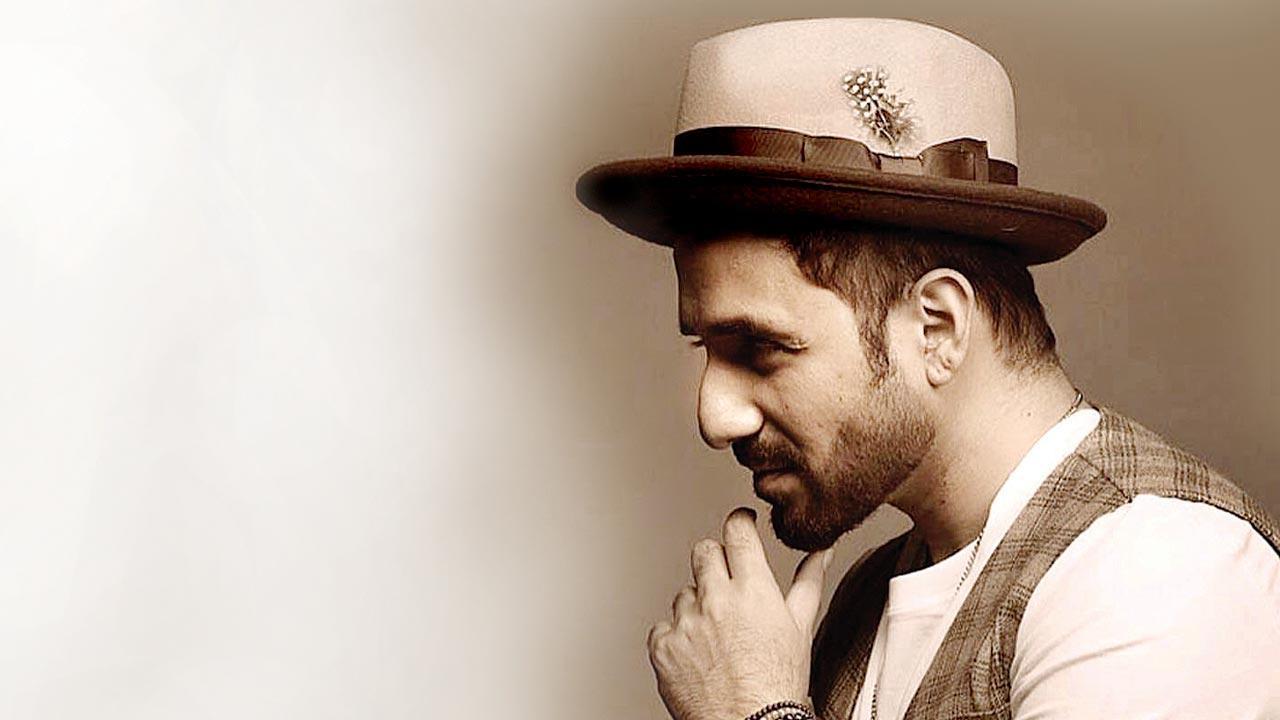
Vir Das
Several comedians would vouch for the fact that tragedy begets comedy. Soon after coming close to experiencing the death of his career, Vir Das is now celebrating a career milestone. Das, however, believes that his International Emmy Award win for his stand-up special, Landing, will not significantly change his life. “It was a good night; I met really good people who I respect and admire. It’s something I’ll remember for a long time,” he says, quick to add that within a few hours, he’ll be back to doing what he was meant to. “I’ll be in Panchkula, Chandigarh, in 36 hours. When I stand on stage, [the crowd] will look at me and say, ‘We’re happy for you’. They’ll clap, [shower me] with love, and I’ll appreciate it. But, 90 seconds later, they’re going to say, ‘We got babysitters. We spent a damn ton of money and drove all this way to see you. Come on, make us laugh’.” Das’s Landing could well be described as a personal anecdote, penned with the aim of giving a viewer a peek into his life, including the shame he encountered when his trajectory nosedived. “I had never put myself out there like I did with Landing. I was ready to share it with people. [I thought], if Taylor Swift gets to write about a rough night, why don’t I? I am hopeful that my narrative helps somebody else deal with their rough night.”
Among his inspirations are Johnny Lever for the way he “owns the stage”, George Carlin for “saying the tough things that make people uncomfortable”, and Richard Pryor for tackling “very vulnerable situations”. But, when asked what sets him apart from his fellow comedians, Das refuses to analyse his work. “It’s none of my business. When I leave the stage, the viewer will [be assured of the fact that] I have given 600 per cent. Thereafter, the viewer can decide if that was good or bad.” Like most evolving artistes, he struggles to watch his years-old content. “I cannot even watch stuff from two months ago. I don’t watch myself. If I can get through a whole year without having to look at myself, that will be a good year. Sometimes, when I [analyse] an old premise that I worked on, [I tell myself], look at what I did with that eight years ago, and what I can do with it today. Back then, it led to the [making of] two jokes, now it could have been 24. I didn’t know enough back then.”
Read Next Story
Trending Stories
Latest Photos
Latest Videos
Latest Web Stories
ADVERTISEMENT
Mid-Day Fast
ADVERTISEMENT

ADVERTISEMENT