






Home / Entertainment / Bollywood News / Article /
Amol Palekar: Art played less crucial role in Dalit movement
Updated On: 21 August, 2021 07:04 AM IST | Mumbai | Uma Ramasubramanian
Returning to screen with 200 Halla Ho that revolves around Dalit oppression, Palekar lashes out at Hindi cinema for not highlighting the social issue

Listen to this article :
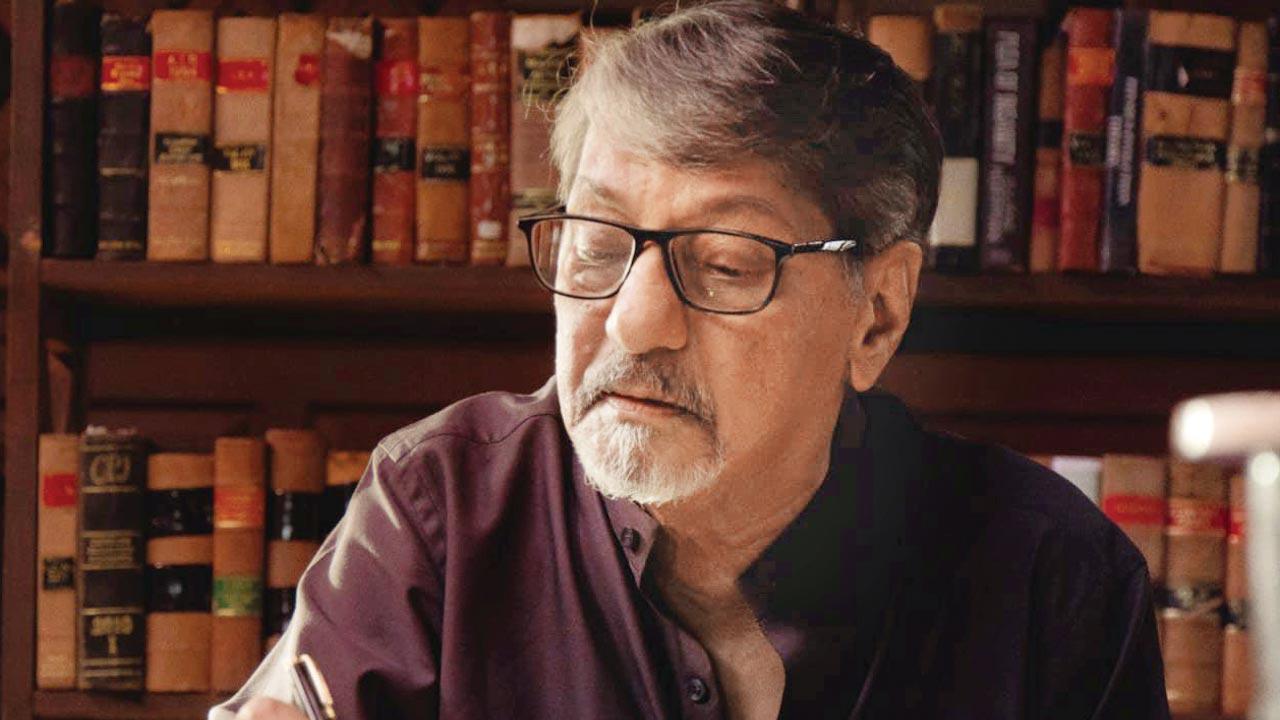
Palekar plays a retired judge in the film
A sign, presumptive as it may be, that 200 Halla Ho has the makings of a powerful movie is the fact that Amol Palekar agreed to front it. It is, after all, not easy to lure the actor — one of the finest of his generation — to face the camera. Then again, he argues that few scripts in Hindi cinema are stimulating. Shining on screen over a decade after Samaantar (2009), the veteran actor is glad that the OTT boom has enabled strong stories like 200 Halla Ho, which revolves around the oppression of Dalit women, to reach the audience.
“Caste is the underlying truth of our socio-cultural-political reality. Art and cinema ought to [depict] our fractured sensibilities, but they don’t. Unlike poetry, art has played less crucial role in the Dalit movement. Why is classical music bereft of lower caste participation? Isn’t it because of their systematic exclusion? Why does no one challenge the Brahminical aesthetics that have ruled us for centuries? Is it because the upper caste is in majority?” Palekar is appalled at how popular cinema doesn’t invest in the depiction of the disturbing reality. “There is a conspicuous silence on the issues of social rejects. Thanks to OTT platforms, the themes that are banned from mainstream Hindi films are offered to the audience. Who wants to enlighten the masses? [Bollywood’s] aim is to make R100 crore,” he says wryly.
Read Next Story
Trending Stories
Latest Photos
Latest Videos
Latest Web Stories
ADVERTISEMENT
Mid-Day Fast
ADVERTISEMENT

ADVERTISEMENT